
Navigating Input and Market Challenges
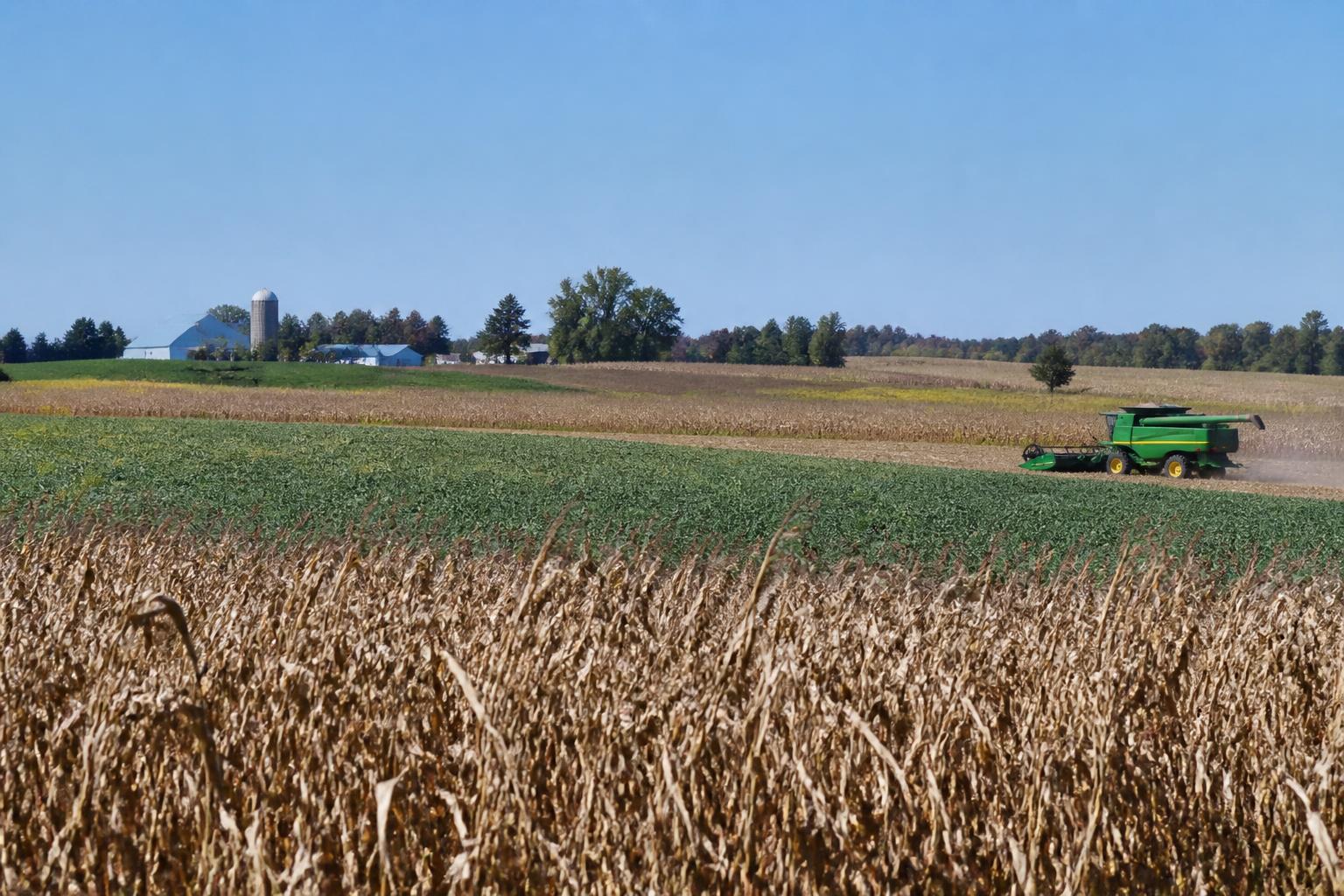
As the fall season hits its stride in Washington, growers are contending with intensified discussions surrounding fertilizer pricing and broader input cost management. For many producers in the state, balancing these overheads while preparing for end-of-year crop movement remains a primary concern. Farmers across the Columbia Basin and beyond are carefully weighing their financial flexibility against a market environment that often demands high efficiency to maintain margins.
These cost pressures are occurring alongside shifting export dynamics and seasonal infrastructure preparations that are critical for those managing grain storage and movement. Growers may find that local elevators are increasingly focused on throughput optimization as the harvest window narrows and market volatility persists. Maintaining strong communication with local handlers is often the best strategy to manage potential bottlenecks at regional logistics points and export facilities throughout the state.
Weather Risks and Operational Safety
As field operations accelerate, monitoring changing environmental conditions is essential. Advanced weather tracking systems, such as AgWeatherNet, remain a vital tool for Washington farmers to stay ahead of sudden climate shifts that could impact harvesting timelines. This real-time data helps producers mitigate risks associated with sudden weather events that can complicate both field work and the transportation of goods to local terminals.
Beyond climate, the seasonal increase in heavy machinery usage on rural roads necessitates a heightened focus on safety and site management. Whether navigating harvest traffic near major grain corridors or coordinating short-haul transport, staying alert to shifting harvest logistics is a common requirement for operations looking to avoid downtime during this busy time of year.
What it means for the market
The convergence of elevated input costs and complex export-driven logistics creates a narrow margin for error for Washington producers. While farmers are adapting to these structural challenges, those who prioritize logistical foresight and maintain active relationships with regional grain handlers are better positioned to weather seasonal fluctuations. As we move deeper into the fall, the focus will remain on stabilizing supply chains and maximizing the value of the current crop despite ongoing economic pressures.
Comments
No comments yet - be the first to share your take.