
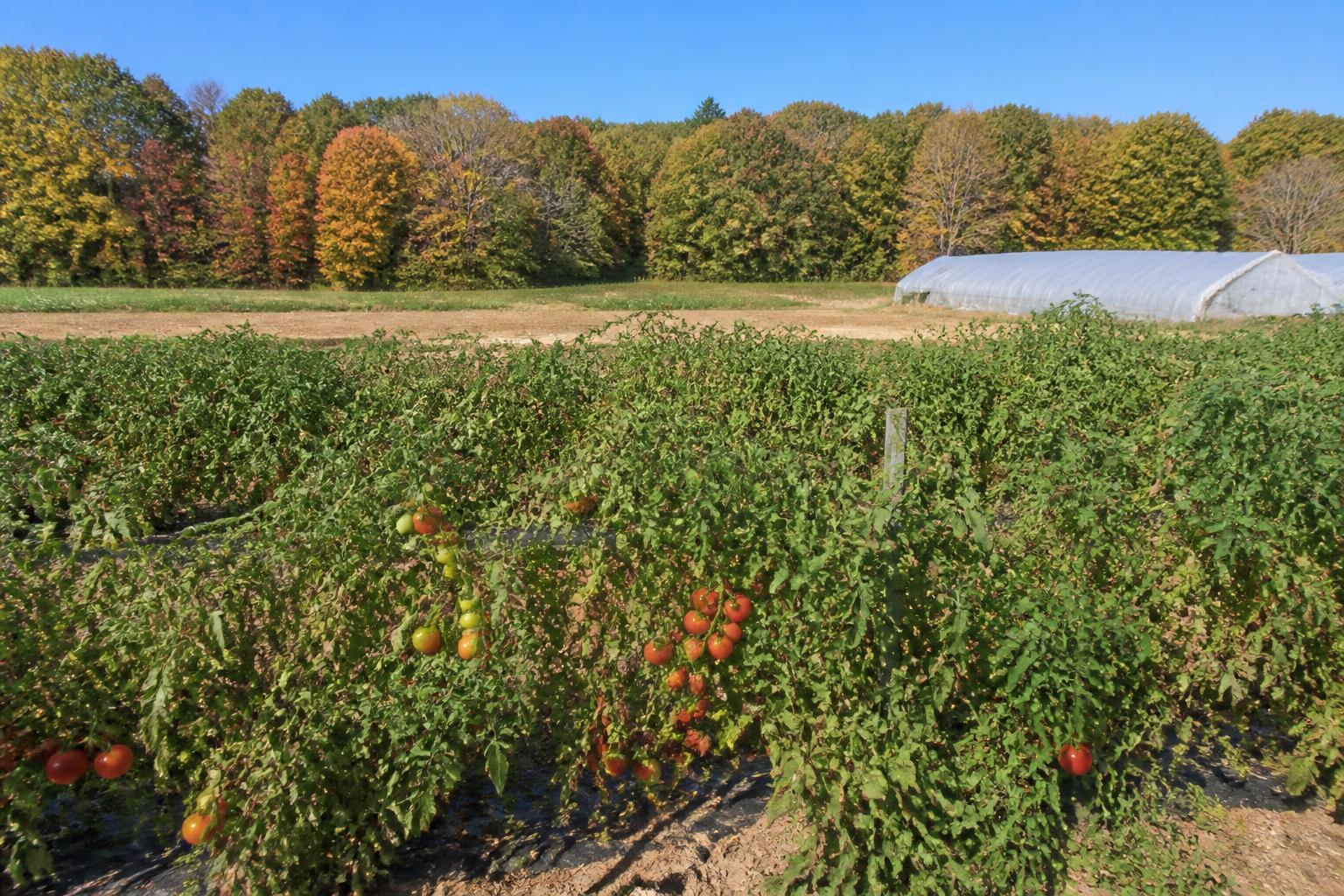
The arrival of September brings a shift in focus for Connecticut agriculture, as producers transition toward the fall harvest cycle. While regional farming operations often contend with smaller-scale logistics compared to the Midwest, the current market environment remains sensitive to broader price fluctuations in major commodities like wheat and soybeans. For local elevators and grain handlers, managing inventory flow and coordinating with regional transportation remains a critical component of maintaining profitability during the high-activity harvest window.
Market participants are keeping a close watch on national price trends, which have shown susceptibility to shifts in global demand and harvest progress across key domestic regions. While local crop conditions in Connecticut rely on specific microclimates, the overarching pricing pressure often influences how regional handlers approach storage and forward-contracting decisions. Staying informed on these trends is essential for those looking to sell grain in Connecticut effectively as the season progresses.
Managing Regional Logistics
In addition to commodity price sensitivity, Connecticut agribusinesses continue to navigate complex supply chain variables. Seasonal infrastructure shifts often require producers to plan ahead for transport, particularly as harvest equipment competes with increased late-season traffic on local thoroughfares. Understanding these navigating seasonal infrastructure shifts is vital for ensuring that grain, inputs, and other essential materials reach their destination without significant delay. Proactive coordination with logistics providers and keeping updated on assessing supply chain pressures can help mitigate risks associated with equipment downtime or transit bottlenecks.
Operational Focus in a Shifting Season
As field work intensifies, maintenance of equipment and attention to crop health remain paramount. Recent advancements in agricultural technology and input management continue to offer ways to combat regional challenges, such as disease pressure. Whether managing traditional grain crops or specialized production, the integration of efficient management practices is necessary to maximize yields before the onset of the first frost.
What it means for the market
For Connecticut farmers and handlers, the current market climate underscores the importance of local agility. While macro-level price drops in wheat and soybeans may seem distant, they ultimately impact the bottom line for regional operations. By focusing on efficient logistics management and staying closely attuned to market updates, businesses can better position themselves to absorb volatility and optimize their seasonal performance.
Comments
No comments yet - be the first to share your take.