
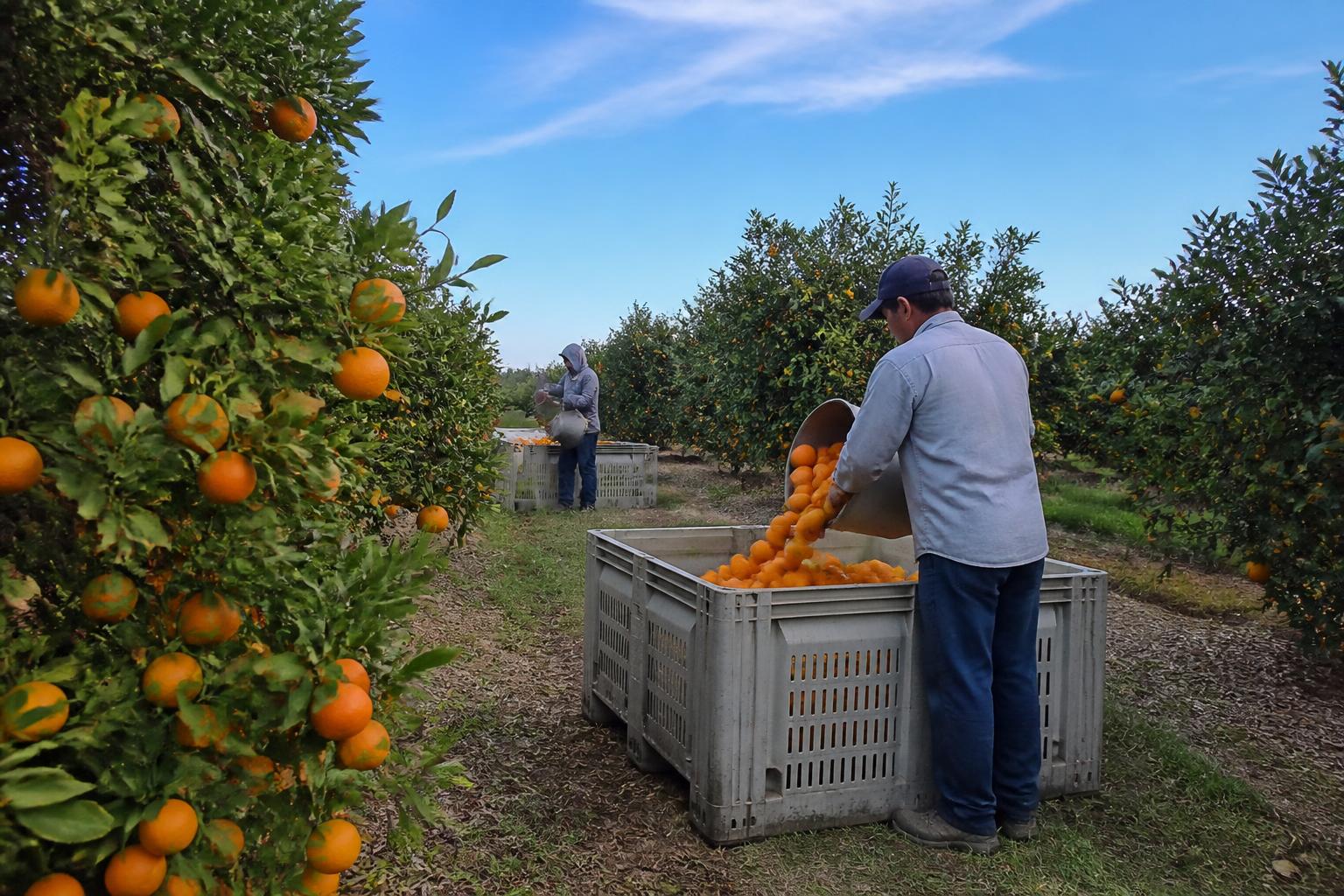
As the fall season takes hold across Florida, agricultural producers are closely monitoring fertilizer input markets. With global trade tensions often contributing to price volatility, growers from the citrus groves of the central ridge to the vegetable fields in the south are evaluating their nutrient management strategies for the coming months.
Reliability in domestic supply chains remains a critical priority for agribusinesses and local distributors. Ensuring consistent access to essential inputs is essential for maintaining production standards as the industry navigates a complex economic landscape, as discussed in our recent Florida ag outlook and periodic updates on logistics infrastructure.
Managing Input Costs Amid Market Fluctuations
Price sensitivity in the fertilizer sector can often be influenced by international trade policies and shifts in the global supply of raw materials like potash and phosphate rock. For Florida operators, these fluctuations mean that pre-purchasing strategies and inventory management are becoming increasingly vital. Agricultural businesses are often incentivized to secure contracts earlier in the season to hedge against potential price spikes that occur as planting cycles accelerate.
Focusing on Efficiency and Domestic Supply
As the market evolves, many producers are turning toward domestic supply channels to mitigate the risks of international shipping delays and trade-related tariffs. Utilizing regionally sourced or locally distributed fertilizer products can provide a buffer against the unpredictability of imported nutrient availability. This shift toward regional reliability helps ensure that critical nutrient applications are not interrupted during peak growing windows.
Key Takeaways for Producers
- Monitor seasonal price trends for phosphate and potash before finalizing input contracts.
- Prioritize communication with local suppliers regarding inventory availability to avoid potential shortages.
- Explore opportunities for optimizing nutrient application rates to manage costs without sacrificing crop yields.
What it means for the market
The current state of the Florida fertilizer market emphasizes the need for proactive operational planning. As external pressures on commodity inputs remain, local growers who integrate flexible procurement strategies and leverage domestic supply chains are better positioned to maintain profitability. By staying ahead of seasonal logistics and market price signals, agribusinesses can continue to support the long-term resilience of the state's diverse agricultural sector.
Comments
No comments yet - be the first to share your take.