
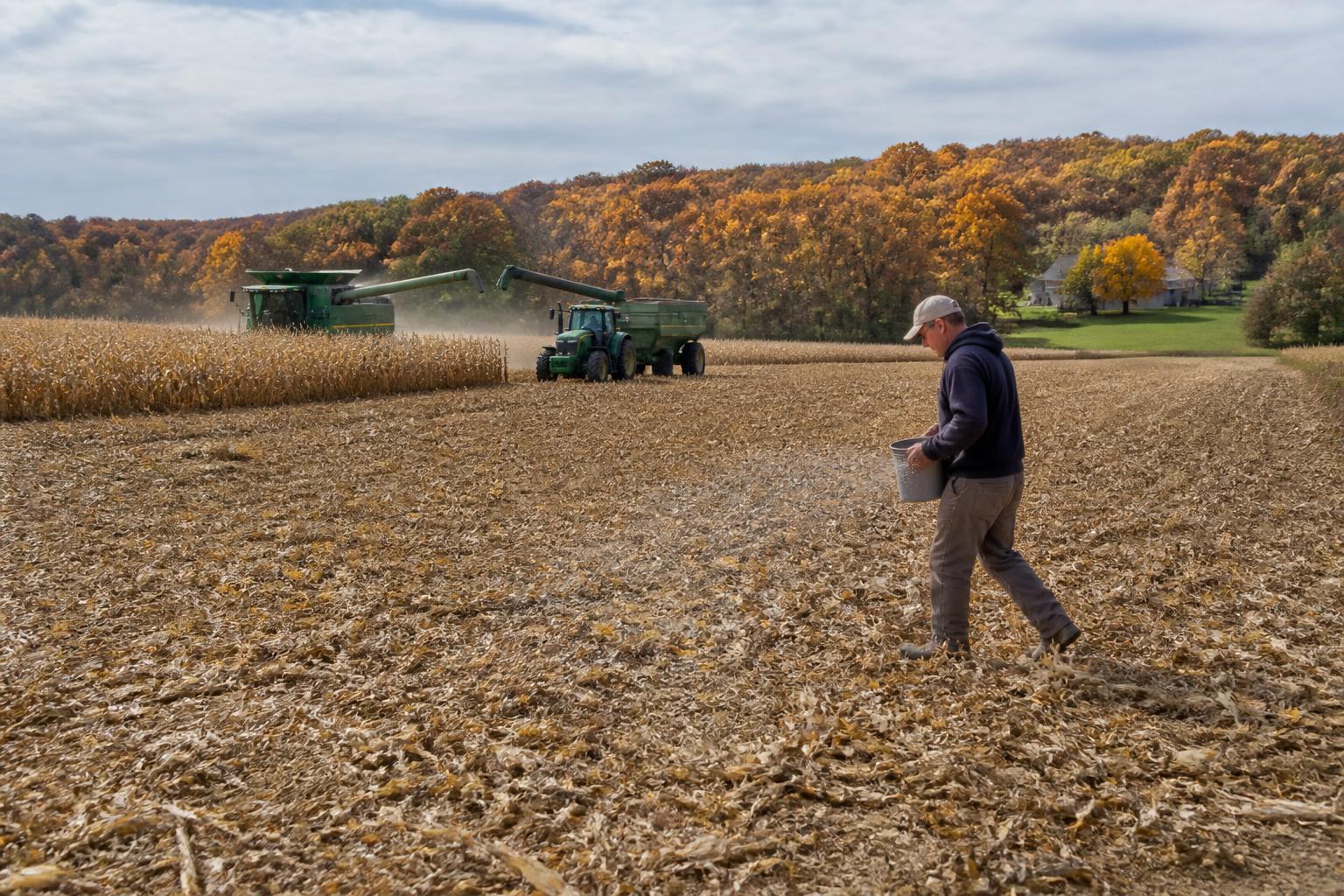
The Alabama harvest season is picking up speed, placing a renewed focus on the logistics chain that connects our fields to regional elevators and processors. As combines move through the landscape, the primary challenge for producers and agribusinesses often becomes the efficient synchronization of grain movement with available transport capacity. Ensuring that transit timelines align with storage availability is critical to maintaining momentum during this peak window.
Optimizing Logistics for a Smooth Harvest
For those managing the flow of commodities, the current season often demands a proactive stance on scheduling. Coordination between farm-gate pickup and storage site delivery can help avoid unnecessary idle time. Producers are encouraged to evaluate their current onsite capacity, as mentioned in our recent guide on Alabama grain storage strategies. When local elevators approach peak capacity, having a flexible logistics plan or secondary storage options can prevent significant delays in the field.
Maintaining Quality Through Efficient Handling
Beyond the logistical movement, the preservation of crop quality remains a priority as transit volumes increase. Proper monitoring of grain moisture content before transport can save significant headaches at the point of sale. As we shift deeper into the fall, those involved in regional logistics might benefit from reviewing best practices for grain management to ensure that stored commodities maintain their value throughout the coming months. Efficient handling not only protects the product but also speeds up turn times for carriers working the busy corridors of our state.
What it means for the market: In the immediate term, market participants who prioritize communication with carriers and local facility managers are likely to see better throughput. Staying ahead of potential bottlenecks during this high-activity window is essential for protecting margins and keeping Alabama agriculture moving toward a successful season finish.
Comments
No comments yet - be the first to share your take.