
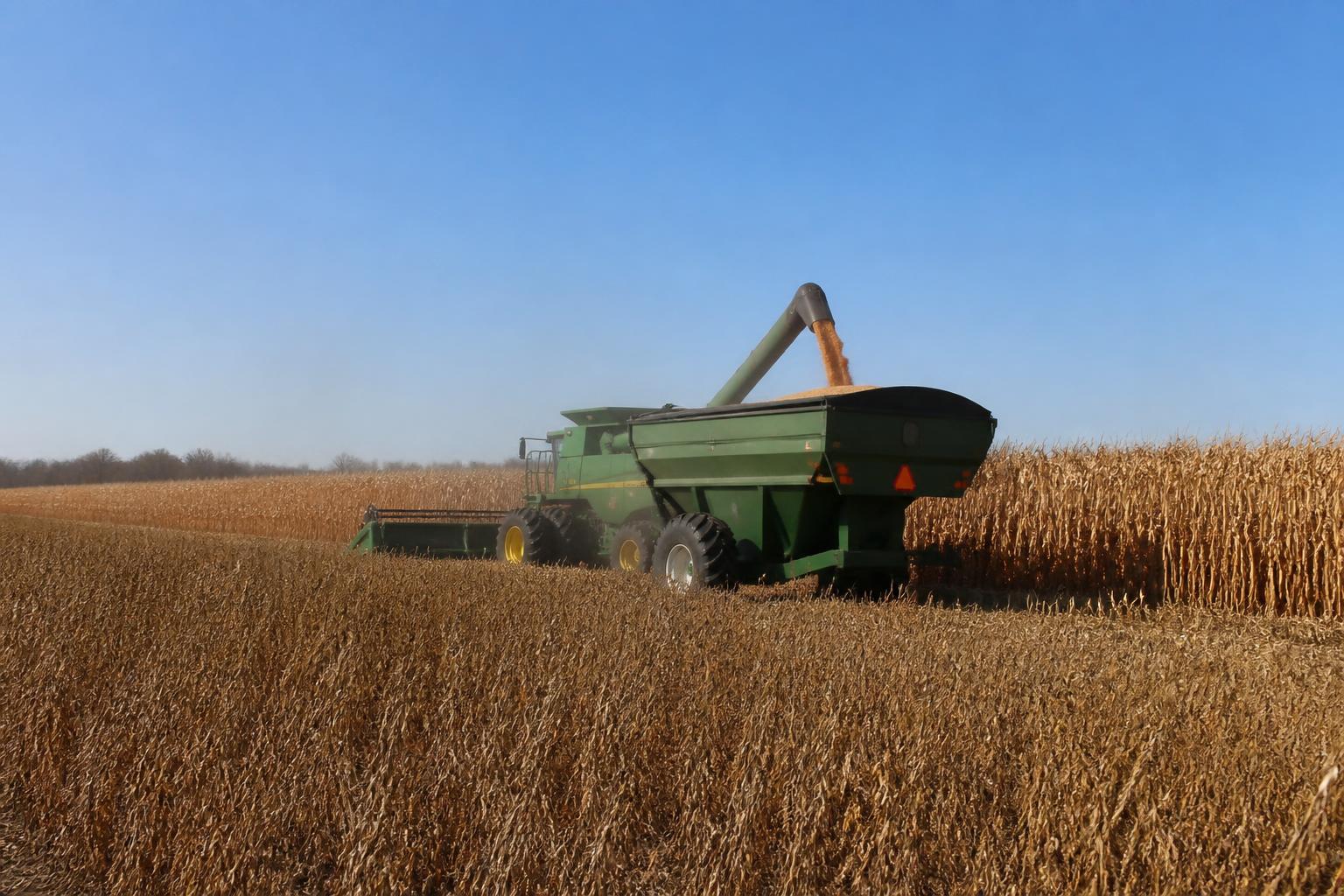
With the fall harvest gaining traction across Minnesota, producers are shifting their focus from field conditions to the logistical challenges of moving crops from the combine to the bin or directly to market. As seen in recent logistics updates, efficient transport and timely storage decisions remain the primary levers for maintaining profitability in a fluctuating commodity climate.
For many operations in the state, the current season demands a balanced approach to capacity. While regional crop performance remains varied, the importance of maintaining modernized on-farm storage has become a focal point for those looking to buffer against immediate market fluctuations. Utilizing on-farm capacity may allow for better control over when to lock in prices, a necessity when local basis levels show signs of volatility.
Managing On-Farm Logistics and Storage
The role of grain management infrastructure has expanded beyond simple containment. Today's storage systems serve as critical tools for producers to hold product through periods of market uncertainty. By reducing the pressure to sell immediately at the elevator, growers often find they have more leverage to navigate the typical harvest-time price dips. Investing in the right grain storage strategies can significantly impact a producer's ability to maximize revenue during this high-volume period.
Navigating Seasonal Transport Realities
As harvest trucks begin to frequent local corridors and county roads, rural transportation efficiency is paramount. Farmers and regional agribusinesses are encouraged to prioritize maintenance on equipment and coordinate closely with local elevators to manage intake windows. Preparing for potential bottlenecks at intake sites can help minimize downtime during the narrow window of optimal field conditions.
What it means for the market
In the coming weeks, the ability to manage grain flow will likely differentiate profitable operations from those forced into hasty sales. By leveraging on-farm storage capacity and staying informed on regional logistical trends, Minnesota producers can mitigate some of the risks associated with current corn and soybean market conditions. Successful navigation of this harvest will depend on balancing storage usage with the timely movement of crops to local, regional, or export-focused grain handlers.
Comments
No comments yet - be the first to share your take.