
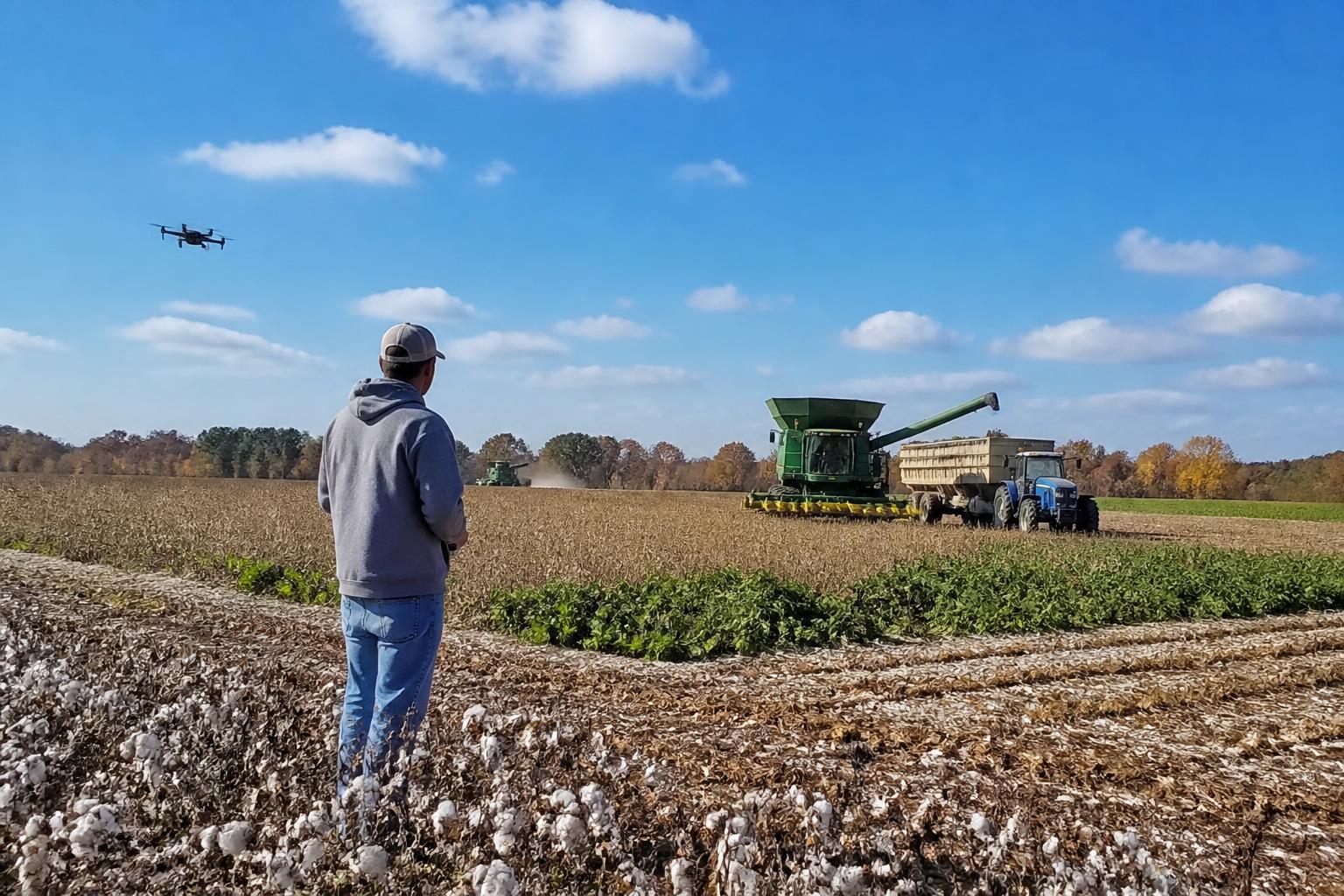
Virginia agricultural producers continue to navigate a complex landscape of input costs and supply chain challenges as the fall season takes hold. Managing fertilizer applications effectively remains a top priority for farmers across the state, from the row crop fields of the Tidewater region to the livestock-heavy acreage of the Shenandoah Valley. Rising operational costs and the need for long-term soil health have forced many to re-evaluate their nutrient management strategies.
For those managing input procurement, the intersection of local logistics and broader market fluctuations is critical. Recent infrastructure investments, such as those at the Port of Virginia, have aimed to improve regional cargo handling, which may eventually support more reliable input delivery systems. However, the immediate reality for many agribusinesses and operators often involves balancing tight margins against the necessity of high-quality inputs, including essential nutrients like sulfur and phosphate. Understanding risk management and infrastructure shifts is becoming a standard part of the annual planning process for farm managers throughout the Commonwealth.
Adapting to Input Volatility
The market for fertilizers is subject to global price swings, which quickly manifest as localized pressure for Virginia farmers. Whether preparing for fall cover crops or planning winter wheat cycles, the cost of specialized fertilizers can significantly impact bottom-line profitability. Producers are increasingly turning toward precision agriculture tools to ensure that every pound of fertilizer is applied with maximum efficiency. By leveraging sensor technology and site-specific data, farmers may be able to mitigate some of the financial burden caused by higher input prices while protecting the integrity of regional waterways.
Logistical reliability also remains a concern for local grain handlers and elevators. As the industry faces ongoing labor and operational headwinds in the transportation sector, ensuring a steady flow of materials requires proactive coordination. Supply chain and input logistics have become key factors in how successfully local farmers can scale their operations during peak seasonal windows. Maintaining resilience in these networks is vital, particularly as the state's agriculture sector continues to face evolving regulatory and environmental pressures.
Strategic Planning for the Season Ahead
Looking ahead, the focus for many Virginia operators is on sustainable growth. This involves not only managing immediate nutrient costs but also participating in conservation programs that can help alleviate some of the long-term cost pressures. Engaging with soil and water conservation districts remains an effective way for growers to align their operational goals with broader environmental stewardship. With efficient grain infrastructure and logistics supporting the movement of goods, the goal is to maintain competitive access to both regional and national markets despite the ongoing economic volatility.
What it means for the market: For Virginia farmers and agribusinesses, the current environment demands a heightened focus on input efficiency and logistics planning. While volatility in fertilizer pricing and transportation stability is expected to persist through the fall, those who leverage data-driven applications and maintain robust relationships with local supply chain partners will likely be better positioned to navigate these seasonal hurdles.
Comments
No comments yet - be the first to share your take.