
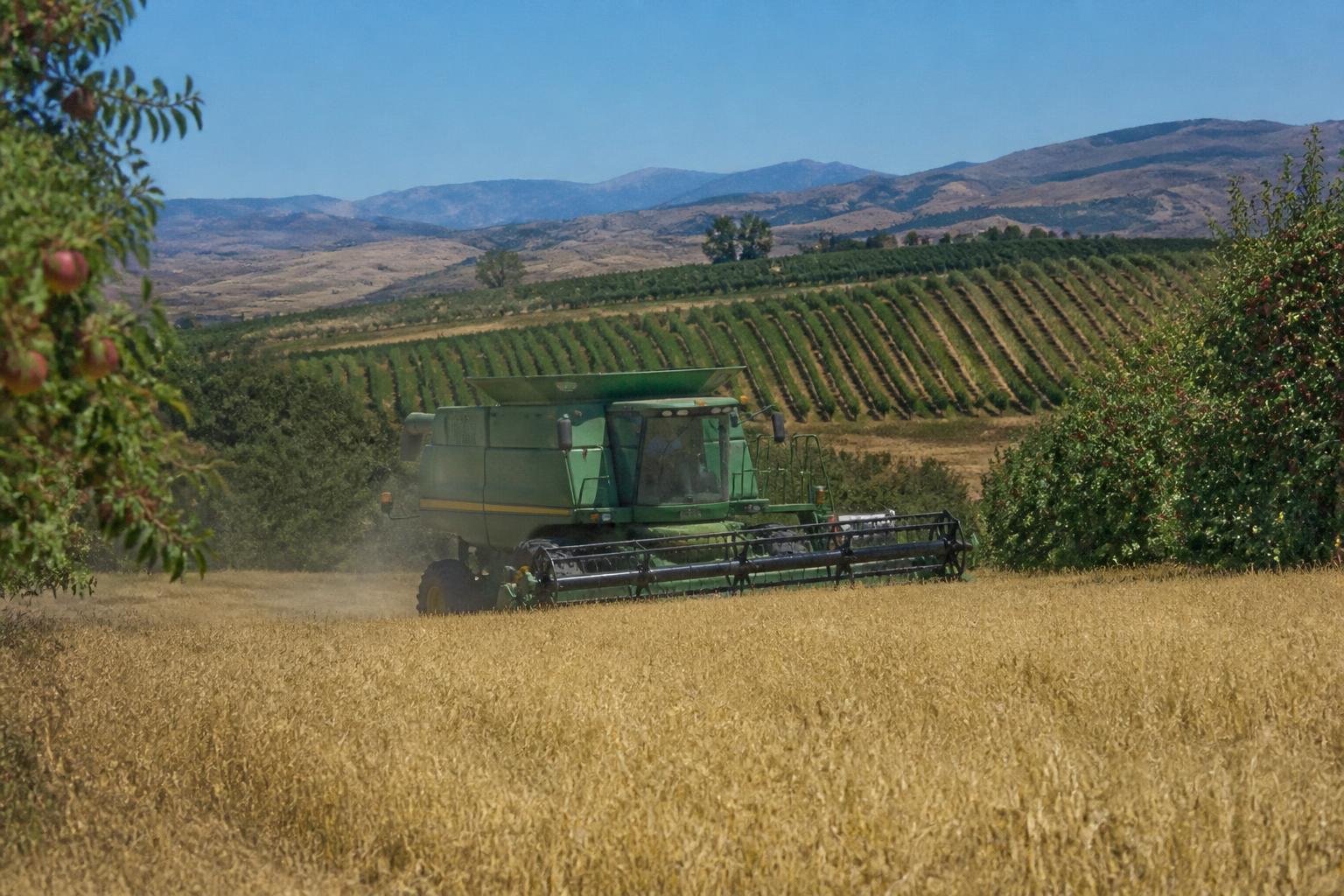
As the state enters the fall harvest window, Utah agricultural producers are balancing traditional seasonal operational cycles with ongoing regional constraints. The focus remains heavily on optimizing harvest logistics while navigating the persistent realities of water availability, which remains a central theme for farmers across the state. While some discussions persist around regional resource management, growers continue to prioritize field efficiency as seasonal temperatures fluctuate.
For those involved in grain storage and handling, the current market climate demands careful attention to localized infrastructure. As highlighted in our review of the regional grain market landscape, transportation and processing bottlenecks remain a significant hurdle for many. While some major regional facilities eye expansion, these industrial developments do not always translate to immediate operational relief for independent growers or local elevators.
Managing Market Volatility and Operational Realities
Producers are advised to maintain a close watch on regional input availability and supply chain consistency. With recent reports of shifts in the broader meat and commodity processing sectors, farmers are often left to navigate a landscape where processor capacity is occasionally constrained. This environment requires a proactive approach to grain marketing, as underscored by the concerns noted in previous assessments of volatile market conditions. Ensuring that your product meets quality standards is more critical than ever, especially as federal oversight and inspection integrity gain renewed focus.
Strategic Planning for the Season Ahead
Beyond the harvest, the long-term outlook for the state involves a shift toward crop varieties that can withstand drier, hotter growing conditions. This transition is not merely experimental; it is increasingly a standard necessity for agricultural resilience. Producers looking to buy or move grain across Utah should leverage existing regional networks to mitigate the costs associated with logistics and storage inefficiencies. Understanding the nuances of your local corridor can help manage the risks that come with fluctuating moisture levels and unpredictable seasonal shifts.
What it means for the market
The Utah market is currently defined by a need for adaptability. While larger industrial shifts at processing plants receive attention, the immediate success for most producers will depend on efficient harvest-time logistics and a clear understanding of where local capacity exists. Farmers should prioritize strengthening relationships with local handlers and staying informed on regional transport bottlenecks to ensure that grain moves smoothly from the field to its final destination during this critical fall period.
Comments
No comments yet - be the first to share your take.