
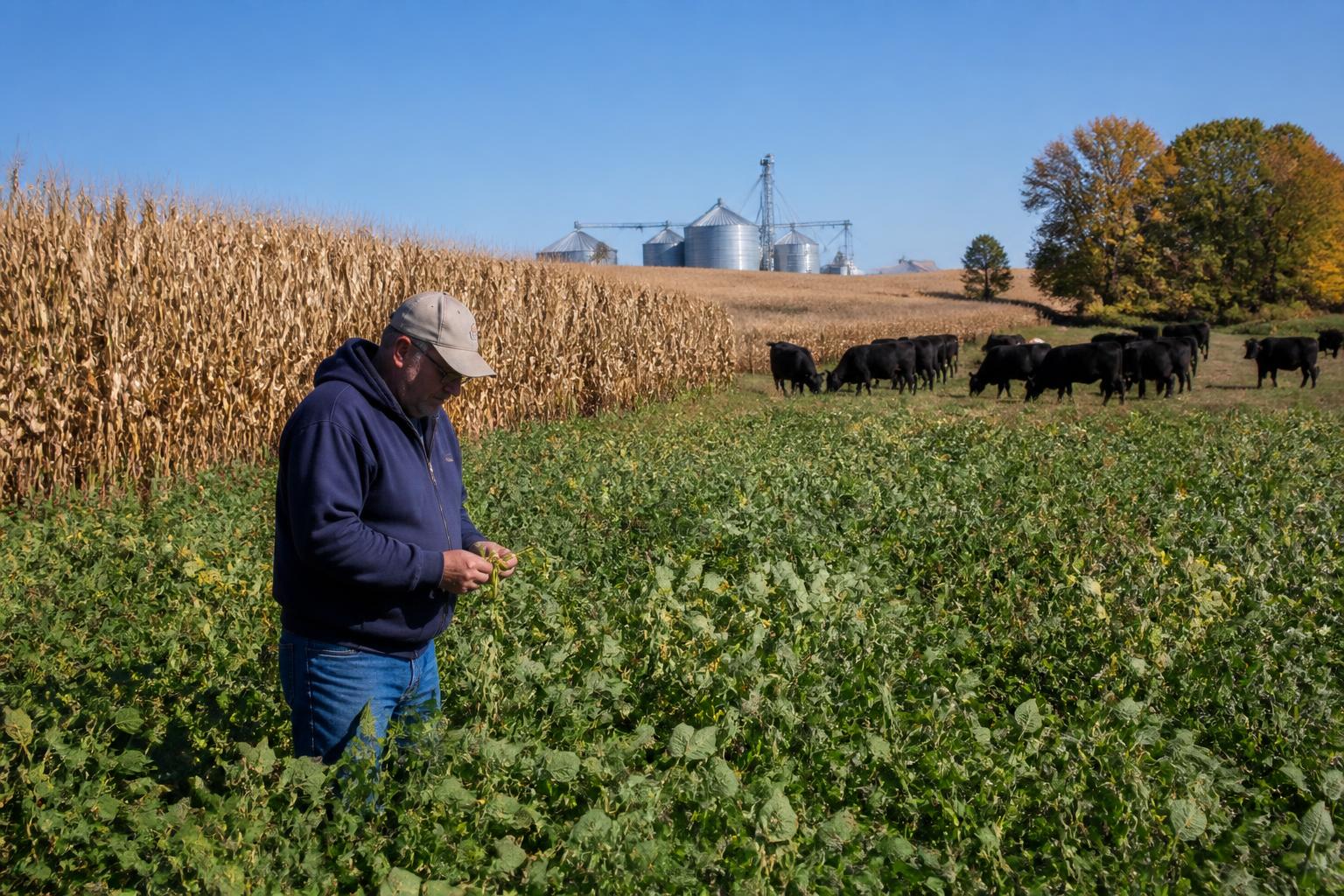
As the fall harvest season arrives in Utah, grain producers are closely monitoring a market climate defined by significant global supply pressures. The current, ample grain inventory levels continue to influence pricing, challenging regional growers to find efficient ways to manage their operational hurdles and water-use efficiency as they move crops from the field to storage.
Evaluating Input and Market Costs
For many agribusinesses in the region, the focus is squarely on balancing production costs with current market realities. Fluctuations in input prices, including fertilizers, often require producers to maintain agility in their marketing strategies. Staying informed about local grain buyers and competitive pricing is increasingly vital as growers work to maximize returns during this transitional time of year.
Strategic Logistics for the Fall Season
The movement of grain during the harvest months typically demands careful coordination of transport and storage logistics. Producers in Utah are encouraged to assess their regional supply chain options early in the season to avoid potential bottlenecks. With the broader agricultural sector experiencing varied pressures, maintaining a steady, data-driven approach to grain sales remains a priority for those looking to protect their bottom line through the end of the year.
What it means for the market: Producers should anticipate continued market sensitivity to supply reports, making proactive risk management and local partnership building essential for maintaining operational resilience throughout the remainder of the fall.
Comments
No comments yet - be the first to share your take.