
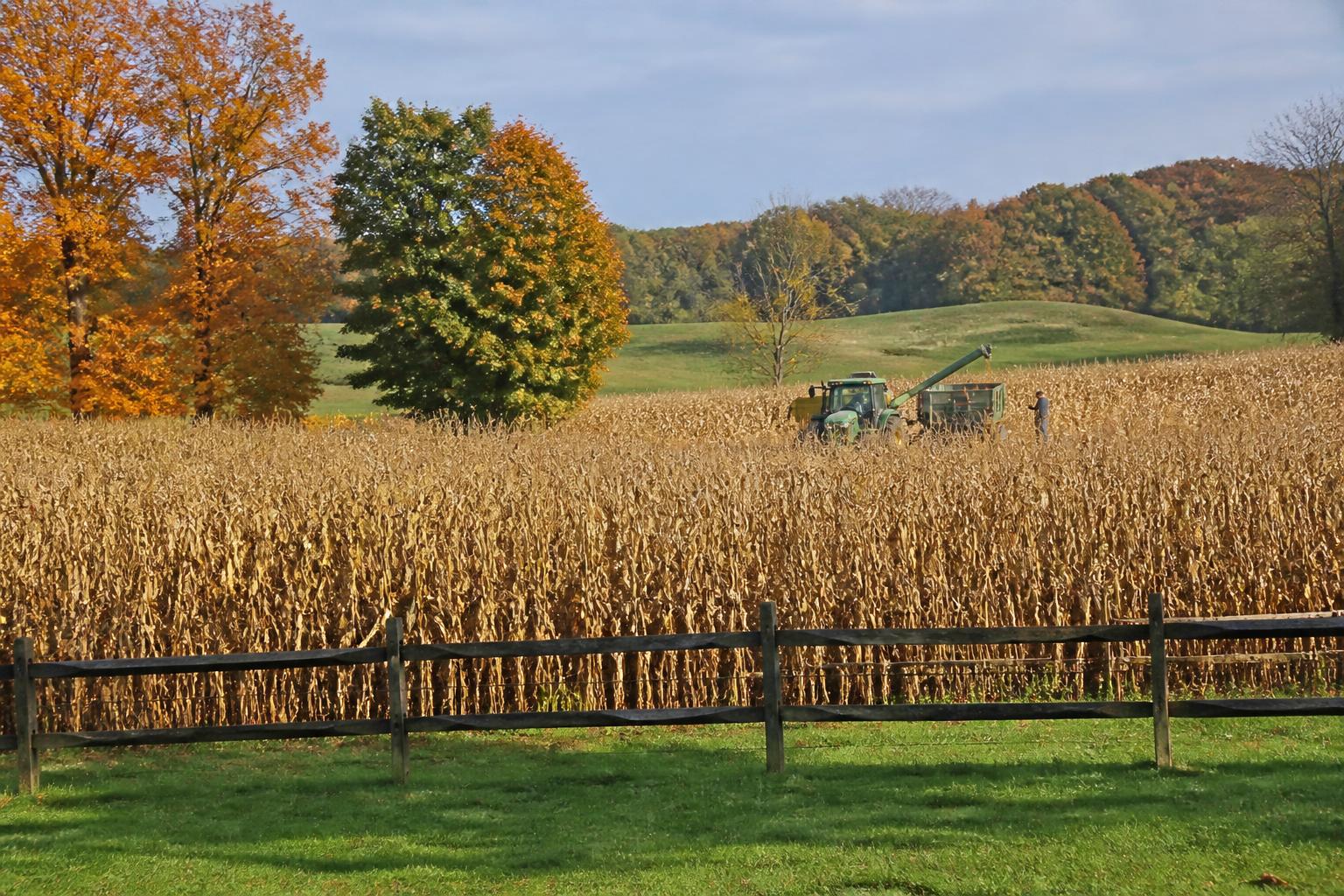
Entering the fall season, Florida’s agricultural landscape remains defined by its unique regional diversity. While grain production often plays a different role here compared to the Midwest, the ripple effects of national market shifts are felt acutely by Florida’s elevators, livestock producers, and input suppliers. Market participants are keeping a close watch on how fluctuating national production levels and shifting supply chain costs impact their local bottom line.
For those managing grain inventory and logistics across Florida, the current environment demands a high degree of operational flexibility. Whether you are dealing with seasonal storage requirements or managing local feed demand, staying ahead of regional price adjustments remains a priority. Navigating these complexities requires a focus on supply chain efficiency, particularly as broader economic pressures continue to influence the cost of doing business for Florida agribusinesses.
Input Dynamics and Operational Efficiency
The conversation around input costs remains a focal point for many in the state. Recent adjustments in the fertilizer sector, including production shifts and supply chain fluctuations, continue to shape how local operations plan for the coming months. Efficient management of these inputs is increasingly vital for maintaining margins in a competitive market environment, a theme explored further in our recent coverage on Florida fertilizer supply and operational costs.
As operations look toward long-term planning, there is a clear emphasis on resilience. From the cattle-heavy regions to the diverse cropping systems of Central Florida, producers are balancing the need for modernization with the reality of current market constraints. Understanding these regional nuances is key to sustaining growth and adapting to the evolving landscape of U.S. agriculture.
What it means for the market
Market stability in the months ahead will likely depend on how effectively local operations can reconcile national grain output with Florida’s specific logistical needs. As we move deeper into the season, watch for continued pressure on operational budgets and a sustained focus on inventory management. Producers and grain handlers who prioritize agility in their supply chains will be better positioned to manage the variables currently influencing the state's agricultural economy.
Comments
No comments yet - be the first to share your take.