
Market Headwinds in the Palmetto State
As we move deeper into September, South Carolina producers are navigating a complex landscape defined by both field-level operational decisions and broad global commodity pressures. With the fall harvest season now in focus, the intersection of input cost volatility and transportation management has become the primary concern for many agribusinesses across the state. Farmers from the Midlands to the Lowcountry are carefully monitoring grain quality and yield potential as they prepare for the peak of the season.
Input Supply and Global Pressures
The cost and availability of fertilizer remain a central theme as growers look ahead to post-harvest management and future planting cycles. International tensions often complicate the supply chain for essential nutrients, causing ripple effects that are felt acutely at the local level. While many producers are exploring precision agriculture technologies to optimize their application efficiency, the reality of market-driven price spikes continues to be a hurdle for operational budgeting. Staying informed about regional pricing trends and buyer activity is essential for mitigating these risks as the season progresses.
Logistics and Field Operations
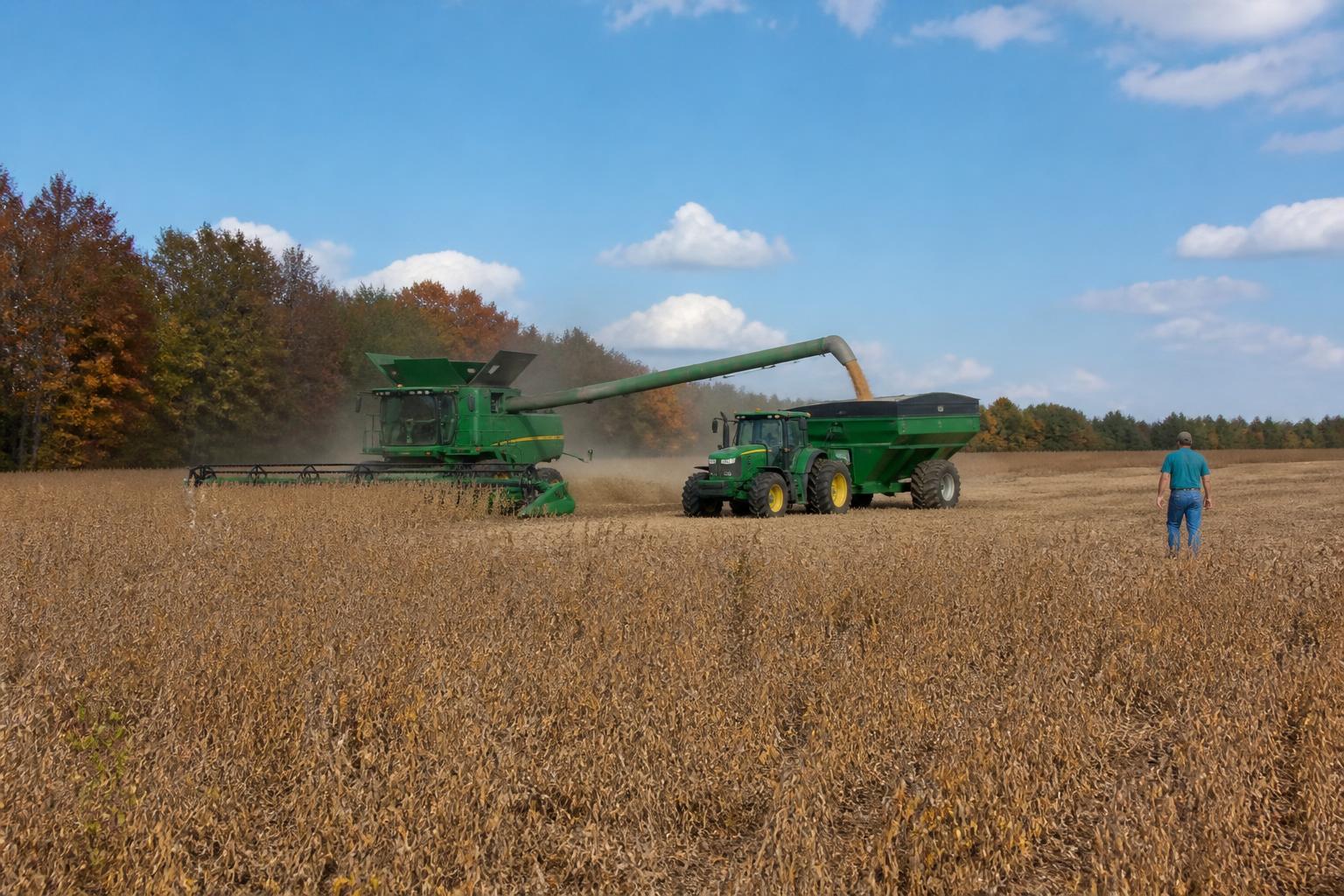
Efficient movement of the crop is just as critical as yield maximization. As harvest activity accelerates, local grain elevators and handlers are bracing for the seasonal surge. Ensuring that transport capacity is aligned with harvest timing can prevent costly bottlenecks on rural roads and at delivery points. Proactive coordination between farmers, carriers, and storage facilities remains the most reliable strategy for maintaining margins during periods of high demand.
What it means for the market
For South Carolina agribusiness, the current environment demands a defensive strategy regarding input costs and a highly organized approach to logistics. As the industry faces external economic stressors, focusing on internal efficiency through technology and supply chain coordination will be the defining factor in securing profitability for this year's harvest.
Comments
No comments yet - be the first to share your take.