
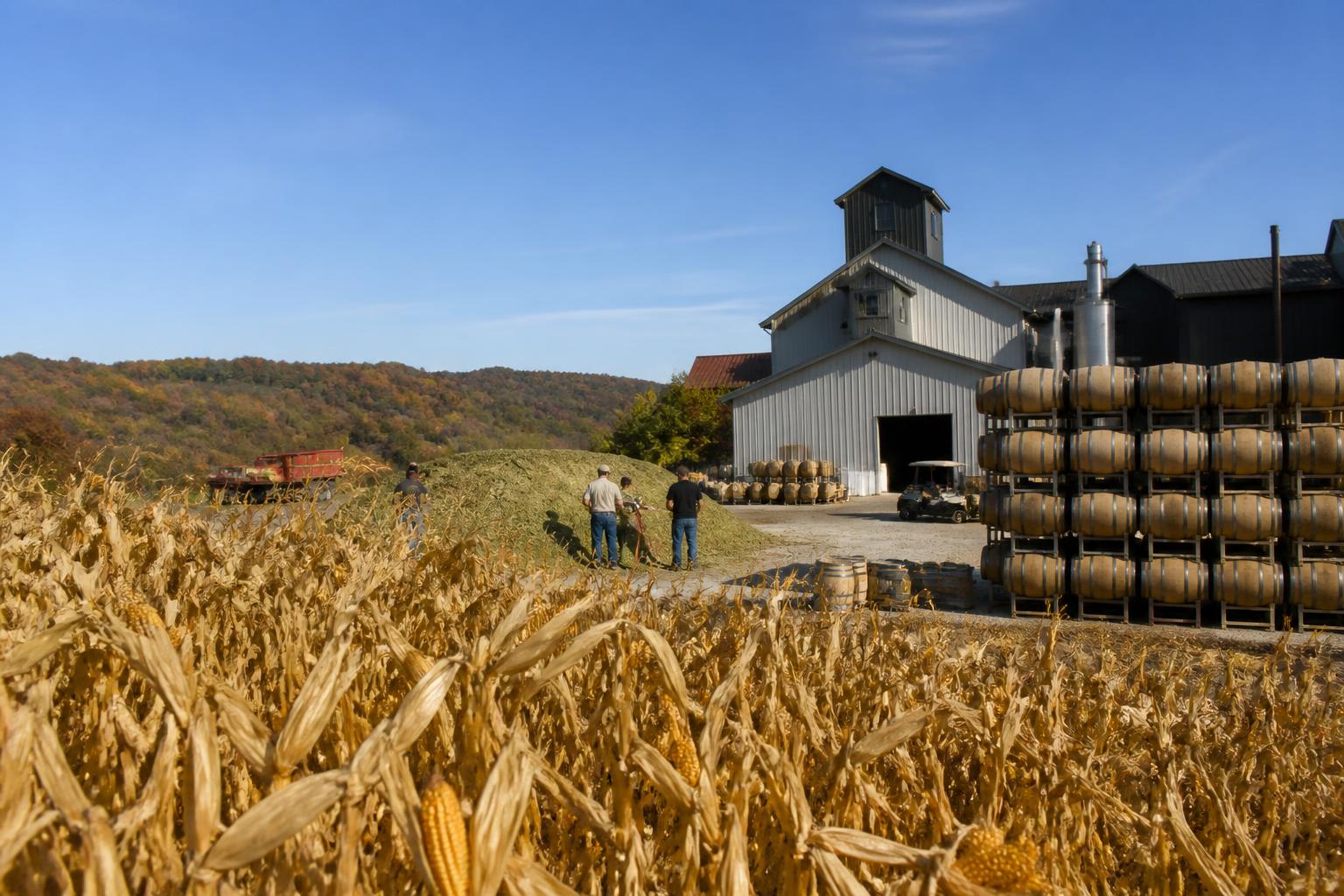
As the fall season settles over Kentucky, producers across the Commonwealth are turning their attention to the harvest. With fluctuating profit margins acting as a defining economic test this year, local operations are prioritizing efficiency in both field work and grain movement. Farmers in regions ranging from the Ohio River Valley to the rolling fields of the Bluegrass are keeping a close watch on equipment readiness and storage availability to mitigate the risks associated with a tight operational window.
For those managing the flow of grain to elevators and regional processors, the logistics of transport remain a critical piece of the season. Producers should account for potential bottlenecks at receiving points, especially as harvest intensity scales up in the coming weeks. For a more detailed look at navigating these challenges, see our guide on Kentucky grain logistics and harvest flow management. Clear communication with carriers and local handlers can help prevent unnecessary downtime during the peak delivery period.
Managing On-Farm Efficiency
Beyond the immediate transport needs, producers are looking for ways to stabilize their operations. Research and variety trials, such as those conducted through University of Kentucky agricultural programs, continue to provide data on yield performance that can influence future planting and management decisions. While the broader economic landscape presents hurdles, informed decision-making regarding inputs and field management remains a primary strategy for local farmers to maintain long-term stability.
Logistics and Storage Considerations
As fields begin to turn and harvest equipment becomes a more common sight on state highways, the focus shifts toward managing the moisture content and storage of the incoming crop. With regional distillers and feed mills often requiring consistent supplies, coordinating delivery schedules early in the season is a standard, yet vital, practice for Kentucky growers looking to optimize their market timing. Balancing farm-stored grain versus immediate delivery can often change as local elevator capacity shifts throughout the fall.
What it means for the market
For Kentucky agriculture, the coming weeks represent a crucial period for establishing the financial outcome of the year. While market-wide pressures and volatility are significant, local producers who lean into data-driven crop management and disciplined logistical planning are better positioned to navigate the complexities of the current harvest season.
Comments
No comments yet - be the first to share your take.