
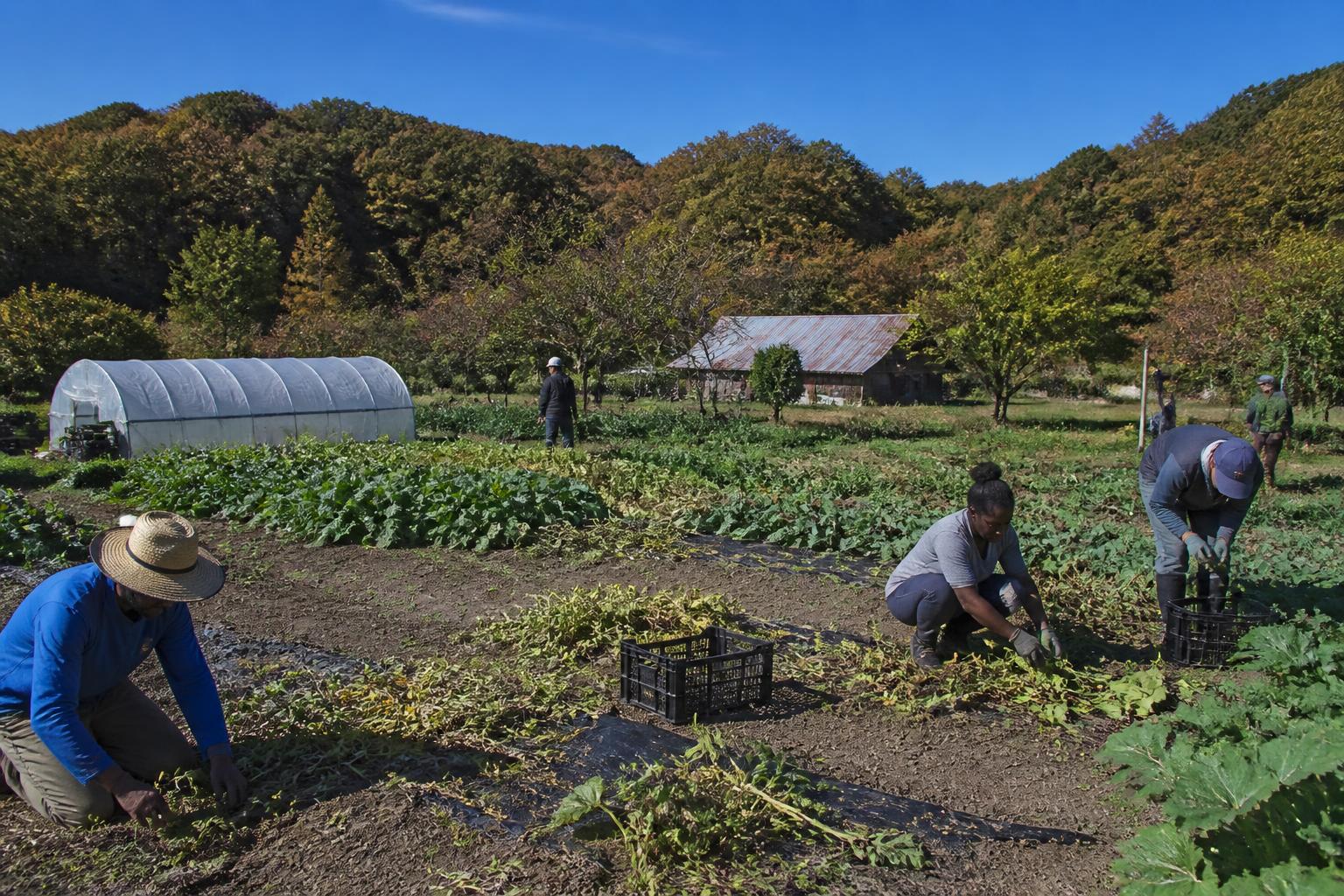
The arrival of fall in West Virginia brings a distinct set of priorities for the agricultural community. While the season often signals a time for harvest and land preparation, producers across the state are currently grappling with recurring dry conditions that have been reported across the region. These moisture deficits can complicate field operations, impacting soil quality and the overall yield outlook for those managing acreage throughout the mountainous terrain.
For those involved in grain storage, handling, or livestock production, operational efficiency remains critical. Beyond the weather, logistical stability is under pressure as agricultural businesses navigate broader market volatility. When managing inputs or coordinating transport, farmers are increasingly looking toward optimizing operational efficiency to mitigate the impact of fluctuating costs and potential supply chain disruptions.
Regulatory and Biosecurity Updates
Producers must remain vigilant regarding regional livestock regulations. Recent detections of the New World screwworm in parts of the United States have prompted the West Virginia Department of Agriculture to issue updated guidance on interstate movement requirements. Maintaining compliance with these mandates is essential for protecting the state's herd health and ensuring smooth operations for livestock handlers and transport providers moving animals across state lines.
Building Resilient Operations
In addition to regulatory adjustments, the current economic climate encourages a focus on long-term sustainability. Organizations such as the Farm Credit of the Virginias continue to support the sector through grant funding, which can be vital for operations looking to upgrade infrastructure or implement new technologies. Whether you are looking to source quality grain in West Virginia or seeking ways to stabilize your input strategy, local partnerships remain a key asset in weathering market cycles.
What it means for the market
The combination of dry conditions and heightened biosecurity protocols creates a tighter margin for error this fall. Operators should prioritize proactive communication with local transport carriers and verify all updated interstate movement paperwork before scheduling livestock shipments. By staying informed on both regional weather patterns and state-level regulatory updates, producers can better protect their margins and infrastructure throughout the remainder of the harvest season.
Comments
No comments yet - be the first to share your take.