
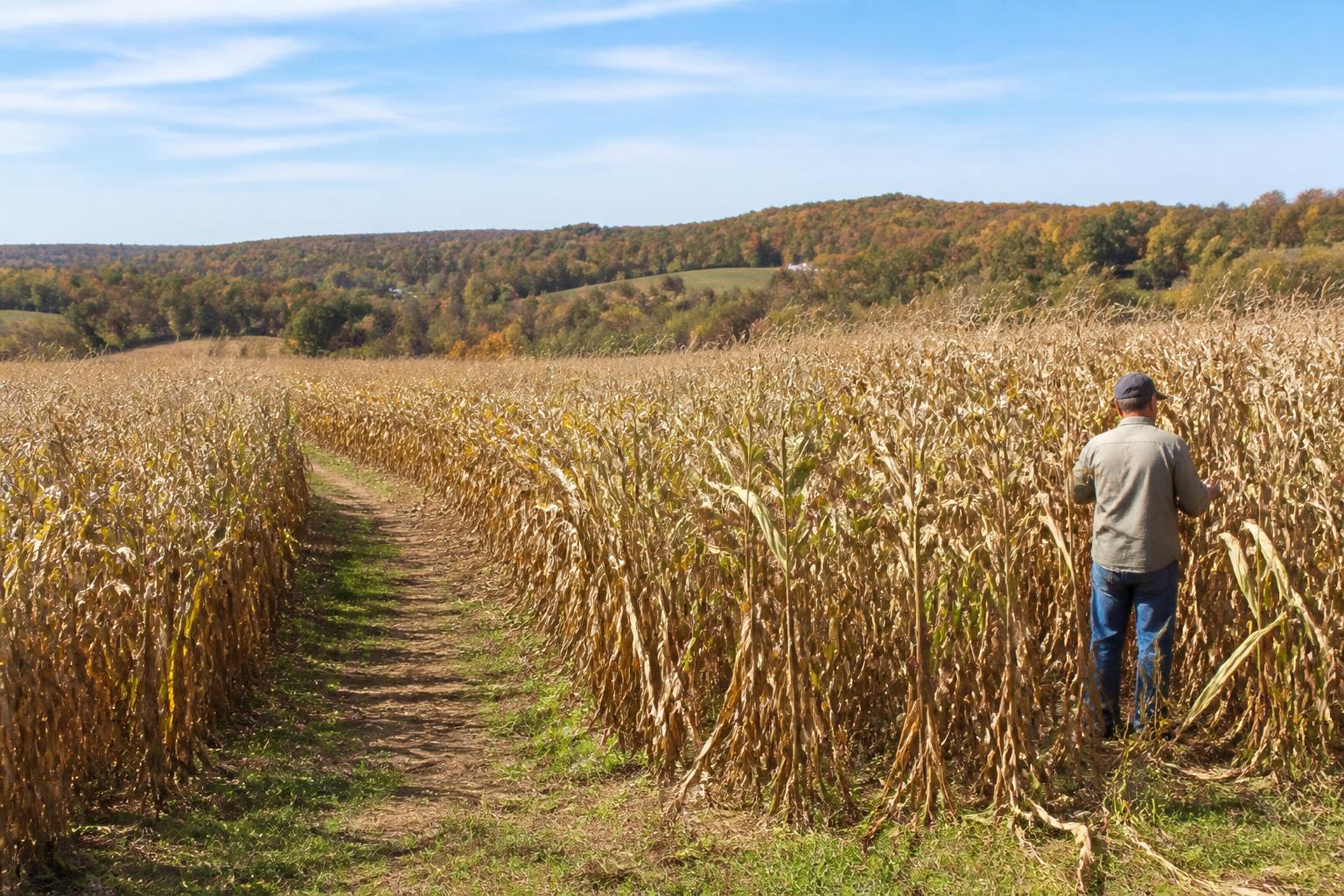
As we move deeper into the fall season, West Virginia agricultural producers are keeping a close watch on input costs and supply chain stability. For many, this period is critical for assessing soil health and planning for next season's nutrient management. Balancing crop output with rising operational expenses requires a disciplined approach to procurement and application, particularly when navigating the rugged terrain typical of the Mountain State.
Producers are encouraged to stay informed on logistics and input supply chains that influence the availability and cost of essential fertilizers. With regional markets often sensitive to broader national trends, including recent investments in agricultural innovation and conservation programs, farmers may find new opportunities to hedge against price volatility by exploring grant-supported conservation strategies that improve soil efficiency and nutrient retention.
Managing Input Efficiency
The current market landscape emphasizes the importance of precision. In many areas of West Virginia, working closely with local agronomists to determine specific nutrient needs rather than relying on blanket application can lead to significant cost savings. Whether operating in the Potomac Highlands or the rolling hills of the Ohio River Valley, ensuring that every unit of fertilizer provides maximum return on investment is paramount for thin margins.
Leveraging Conservation Incentives
The agricultural community is increasingly looking toward USDA-backed initiatives to offset costs. Recent funding for conservation innovation grants highlights a shift toward supporting producers who adopt sustainable practices that, over time, can reduce the reliance on synthetic inputs. These programs often assist in upgrading equipment or implementing cover cropping systems that enhance natural nitrogen fixation, potentially softening the blow of fluctuating market prices for standard synthetic fertilizers.
What it means for the market
While the overall input market shows signs of complexity, West Virginia producers who prioritize data-driven nutrient management and tap into available conservation resources are better positioned to weather volatility. Maintaining strong relationships with local suppliers and monitoring regional transport corridors will be essential for those looking to secure supplies efficiently as we head toward winter.
Comments
No comments yet - be the first to share your take.