
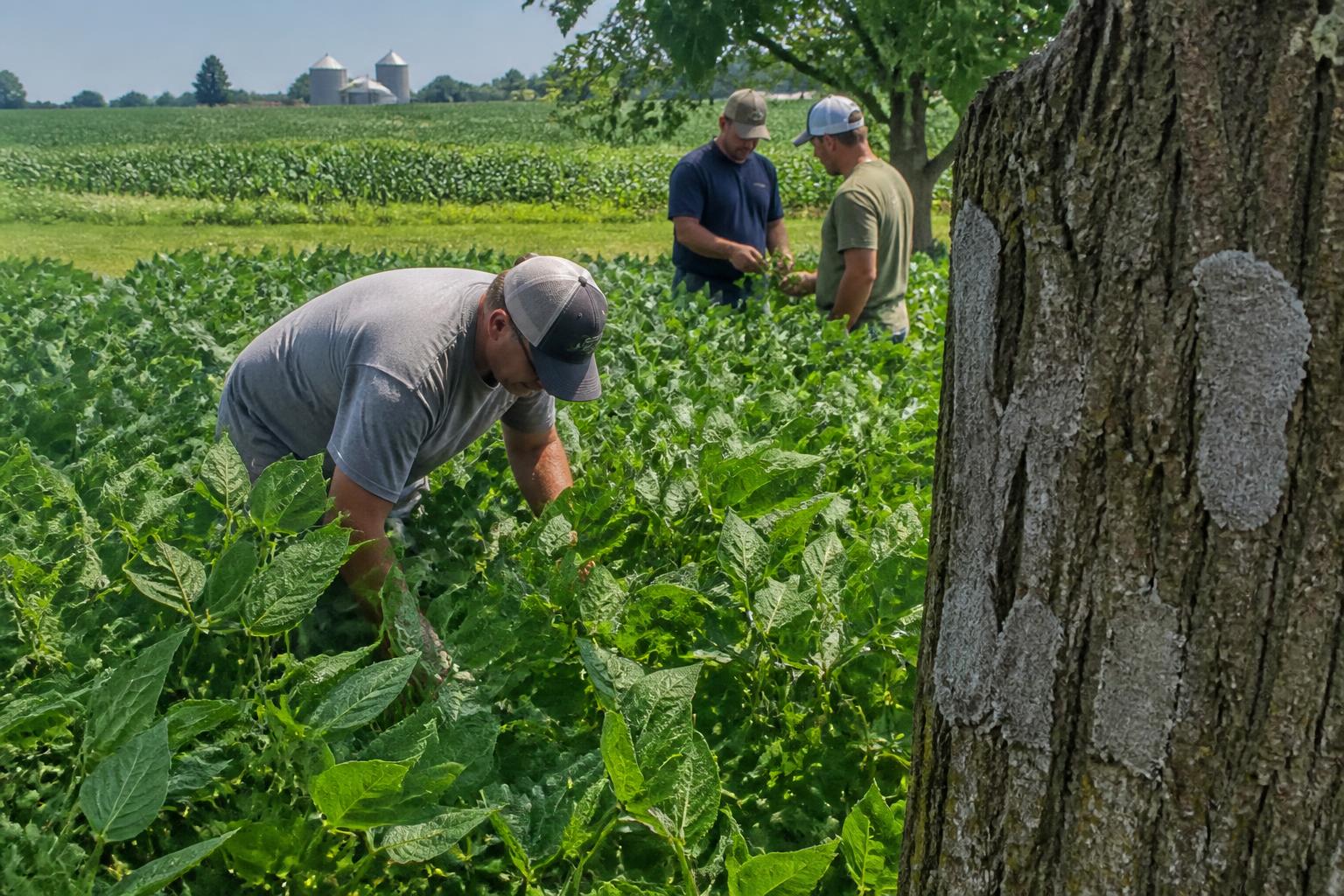
As the summer heat intensifies across New York, agricultural producers from the fertile soils of the Finger Lakes to the busy river valleys of the Hudson region are facing a dual challenge. Growers must protect their crops against emerging pest threats while navigating a highly volatile market for essential chemical and biological inputs. Balancing these operational demands requires a strategic approach to crop management and cost control.
With localized pest infestations rising and global logistics continues to experience shifts, maintaining crop health while protecting bottom lines is the primary focus for agribusinesses this season. For local growers, balancing high input costs is crucial when navigating New York's agricultural market in summer 2026.
The Spotted Lanternfly and Summer Pest Pressures
Pest management remains a top priority as invasive species continue to threaten New York crops. The New York State Department of Agriculture has recently urged residents and agricultural stakeholders to actively monitor for the Spotted Lanternfly, emphasizing the importance of identifying and scraping egg masses to prevent widespread damage. This invasive pest poses a significant risk to high-value New York crops, particularly vineyards, orchards, and hops yards, which are critical to the state's agricultural economy.
State officials stress that early detection and aggressive localized management are the most effective ways to slow the spread of the insect. Growers are encouraged to utilize integrated pest management (IPM) practices, combining biological controls, targeted chemical applications, and physical removal to protect vulnerable acreage without over-relying on costly chemical treatments.
Input Market Volatility and Regenerative Innovations
Managing agricultural inputs amidst ongoing market volatility has become the "new normal" for U.S. agribusinesses. Rising production costs and supply chain fluctuations have forced farmers to seek more efficient alternatives. To combat these challenges, many New York operations are turning toward regenerative agriculture practices and plant-beneficial microorganisms that transition from laboratory environments straight to active farm fields.
Global input providers, including Bayer, have announced major expansions in regenerative agriculture, targeting potential implementation on over 400 million acres globally. These biological and regenerative solutions aim to enhance soil health, optimize nutrient uptake, and reduce reliance on synthetic fertilizers and traditional crop protection chemicals. Incorporating these alternatives can help mitigate the financial impact of price spikes in the traditional chemical markets.
Logistics, Labor, and Technological Adaptation
Securing and applying crop protection products also involves navigating local labor and regulatory environments. New York farmers must remain mindful of state-specific operational policies, such as the New York overtime tax credit, which directly influences farm labor management and seasonal operating costs. Maximizing labor efficiency during critical spraying windows is essential to maintaining profitability.
Furthermore, safely moving these biological and chemical products requires understanding New York ag logistics and summer transport standards. From weight limits on regional highways to the prompt delivery of temperature-sensitive biological inputs, efficient supply chain management is just as critical as the field application itself. Events like the annual New York Farm Show continue to highlight new application technologies, precision spraying equipment, and conservation tools designed to help growers optimize every gallon of crop protection product used.
Key Takeaways for New York Growers
- Invasive Pest Monitoring: Actively inspect vineyards and orchards for the Spotted Lanternfly; utilize state-recommended scraping and reporting protocols to protect high-value specialty crops.
- Adopt Biological Alternatives: Consider integrating beneficial plant microorganisms and regenerative soil tools to reduce dependency on volatile synthetic input markets.
- Leverage State Credits: Monitor labor costs and make strategic use of the New York overtime tax credit during peak summer crop protection cycles.
What It Means for the Market
For New York agricultural markets, the intersection of pest pressures, input volatility, and land use changes - including the ongoing loss of farmland to residential and solar developments - means that efficiency per acre is more important than ever. Growers who adopt targeted, biological-friendly crop protection plans and optimize their seasonal labor will be best positioned to maintain healthy margins. As the summer progresses, expect supply chain efficiency and biological innovation to remain the primary safeguards against volatile market conditions.
Comments
No comments yet — be the first to share your take.