
Arkansas growers are currently operating in a challenging environment as the fall harvest progresses. With margins tightening across the state, many producers are intensifying their focus on input efficiency and strategic crop management. The combination of high operational costs and fluctuating market prices has made every decision in the field, from moisture management to chemical applications, critical for protecting the bottom line.
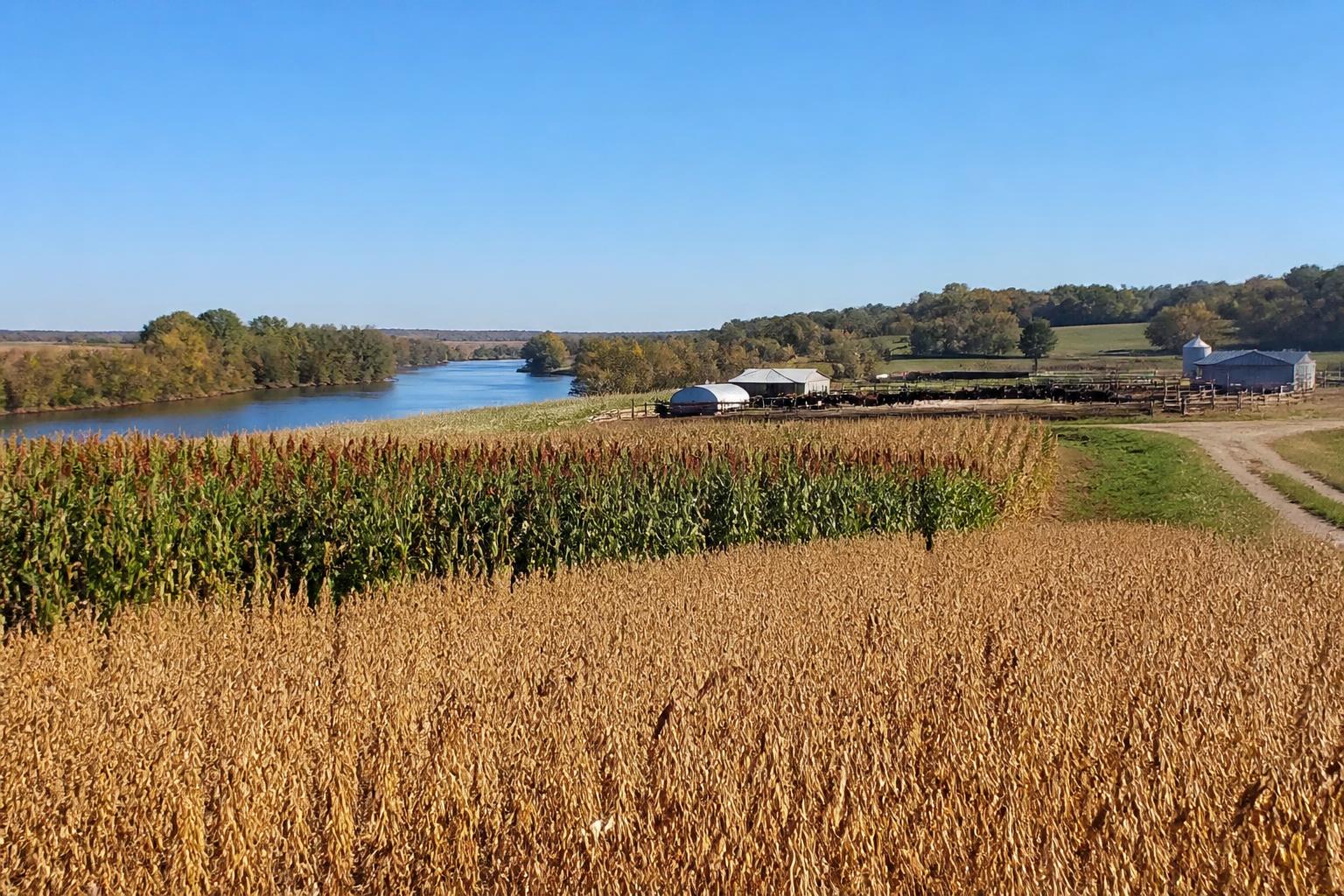
Addressing yield-robbing pressures, such as herbicide-resistant pigweed, remains a top priority for regional operations. For some, incorporating alternative crops like grain sorghum has become a tactical response to diversifying strategic input management and breaking the cycle of resistant weeds. This shift reflects a broader trend among producers who are reevaluating traditional crop rotations to maintain soil productivity while mitigating the risks associated with increasing input dependency.
Refining Field Management in a Volatile Economy
The current economic climate has spurred a heightened interest in precision and efficiency. As growers move through the fall, monitoring tightening margins has become synonymous with daily operations. This is particularly relevant in areas where producers are looking to reduce fuel and equipment overhead, with some experimenting with innovative production methods that limit the reliance on conventional infrastructure like levees.
Furthermore, the pressure on agricultural profitability has underscored the importance of professional advisory services. Consultants continue to provide essential guidance, helping farmers navigate the complexities of modern protection regimens while keeping a watchful eye on long-term financial sustainability. Whether managing soybean health or optimizing cereal grain health, the goal remains the same: maximizing ROI amidst unfavorable market headwinds.
Logistics and Market Resilience
As crops leave the field, logistics remains a pivotal concern for Arkansas agribusinesses. With recent interest in regional supply chain innovations, there is a collective push to streamline the movement of grain from rural elevators to major export corridors. Understanding the interplay between grain logistics and shifting market demand allows producers to make better-informed decisions regarding storage and sales timing during the peak of the harvest season.
What it means for the market
The current landscape in Arkansas demands a proactive, defensive posture. By prioritizing cost-effective crop protection and leveraging regional logistical updates, producers can better insulate their operations against ongoing financial volatility. Looking ahead, the ability to balance immediate yield protection with long-term capital preservation will be the defining factor for farm viability throughout the remainder of the year.
Comments
No comments yet - be the first to share your take.