
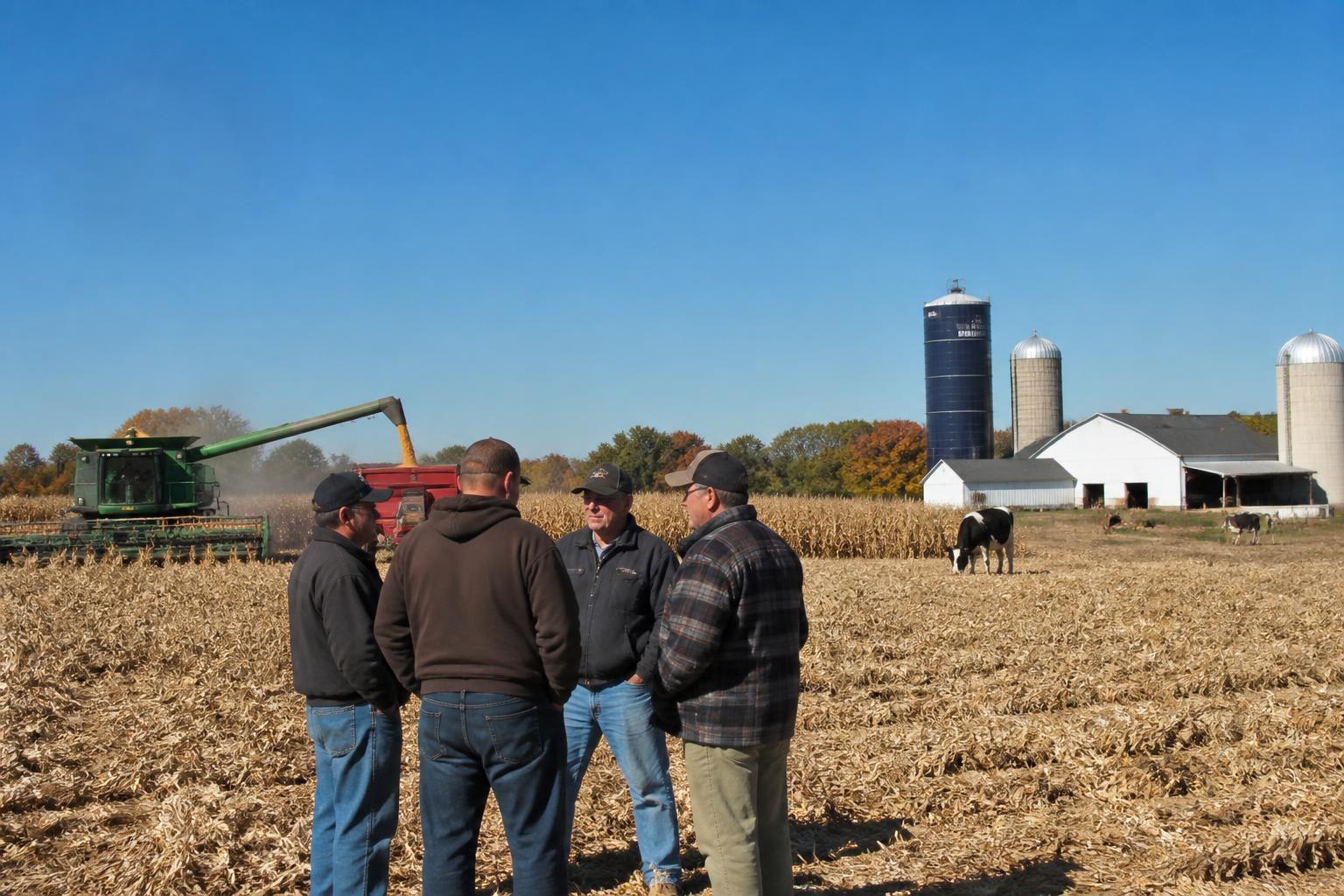
As the Wisconsin agricultural calendar advances into the core of the fall season, producers across the state are focusing on balancing field logistics with an increasingly complex market environment. Recent volatility in grain pricing has underscored the need for strategic planning, particularly as growers manage storage constraints that often emerge as harvest volume accelerates. For many, the priority remains maximizing efficiency at the elevator while monitoring broader trade indicators.
Market analysts continue to highlight that sustained upward momentum for corn and other commodities may hinge on new demand channels. With harvest conditions varying across the Corn Belt, Wisconsin farmers are paying close attention to moisture levels and field access, which can dictate the flow of grain into local processing hubs and regional grain logistics networks. This season, regional cooperatives and private handlers are emphasizing the importance of timely communication to prevent bottlenecks at intake facilities.
Adapting to Economic Headwinds
Beyond the field, the broader economic landscape continues to influence farm-gate decisions. Discussions surrounding potential federal support payments and the evolving trade landscape have become frequent topics among producers attending local industry gatherings. Whether it is addressing rising input costs through targeted soil testing or diversifying revenue streams through beef-on-dairy initiatives, Wisconsin agribusinesses are finding ways to buffer their operations against external market shifts. Maintaining a lean, adaptable operational structure is often cited by regional leaders as a key to long-term sustainability.
What it means for the market
For Wisconsin growers and handlers, the current environment demands a cautious approach to inventory management. With the harvest cycle fully underway, the ability to store grain on-site or secure reliable transportation remains a critical competitive advantage. Farmers should monitor local basis levels closely, as regional supply-demand imbalances could create unique selling opportunities for those with the flexibility to hold or move their crop strategically. Success this fall will likely be determined by how effectively producers integrate logistics planning with their broader marketing objectives.
Comments
No comments yet - be the first to share your take.