
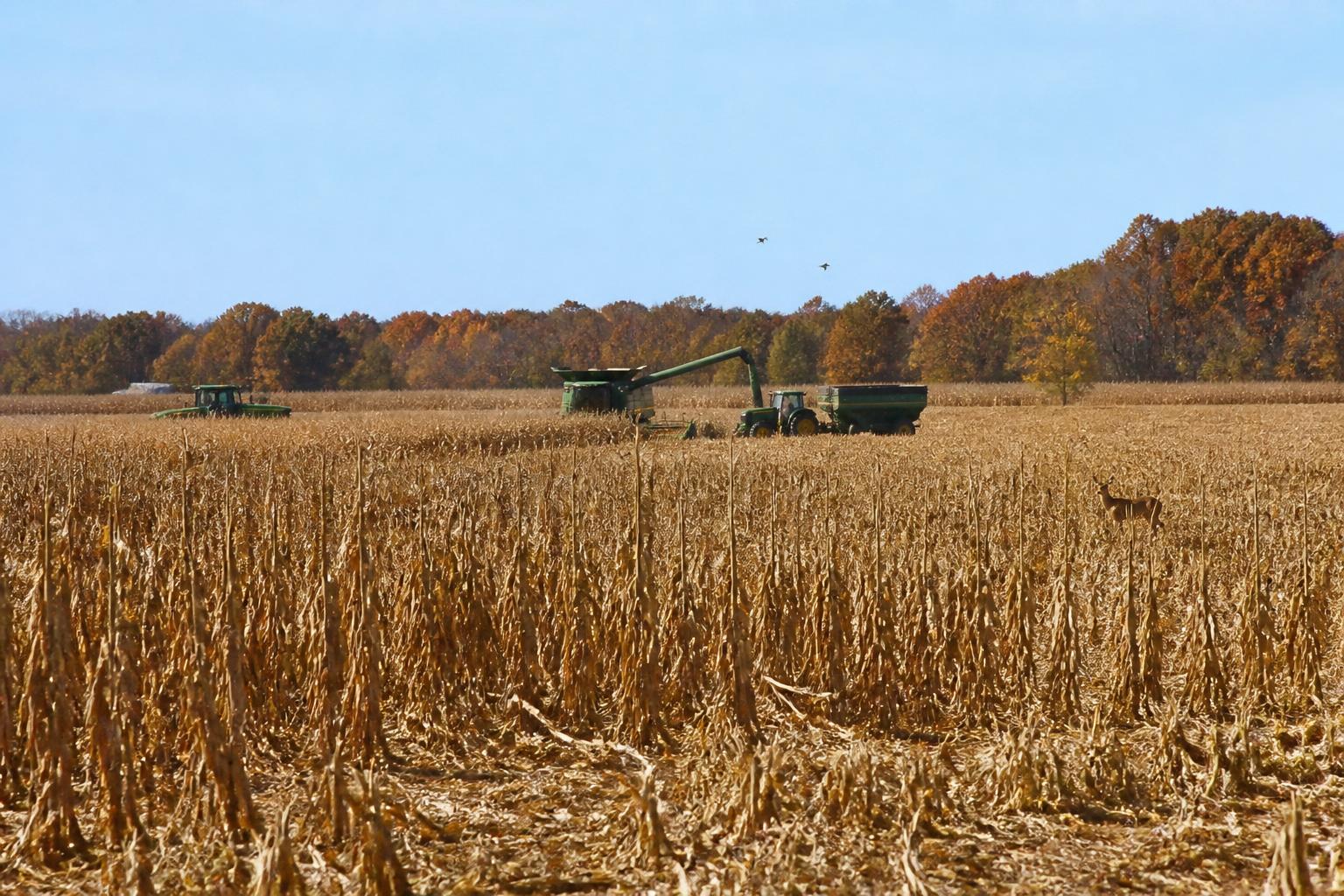
As Tennessee crops advance through their final stages in the fields, attention in the regional agricultural sector is shifting toward the logistical demands of the harvest season. Maintaining clear transit corridors remains a priority for producers, grain handlers, and carriers across the state as they prepare for the influx of commodity movement.
Producers in West Tennessee, in particular, may see shifts in rail-based transport capacity as ongoing investments continue to strengthen connections between regional production hubs and broader distribution networks. Having reliable access to these routes can be vital for moving corn, soybeans, and cotton to key processing and export destinations in a timely manner.
Optimizing Local Grain Flow
Efficient movement from the field to local grain elevators often requires careful synchronization between harvest schedules and transport availability. For those managing grain stocks, staying ahead of potential seasonal bottlenecks—such as peak demand for heavy-haul equipment on rural roads—can help maintain margins. Producers are encouraged to coordinate closely with their local elevators to understand current capacity and any site-specific delivery windows that may be in effect.
Leveraging Regional Infrastructure
Whether navigating state highway corridors or utilizing rail assets, Tennessee agribusinesses can benefit from evaluating their current supply chain configurations. Assessing the strategic logistics of grain transport is an essential part of preparing for yield outcomes. Furthermore, as volatility remains a factor in agricultural markets, diversifying transport options where possible can provide a necessary buffer against localized congestion or weather-related delays.
Key Takeaways for Agribusiness
- Coordinate harvest windows with elevator storage capacity early to avoid delivery delays.
- Monitor local road conditions, as peak harvest traffic can influence transit times.
- Review ongoing trends in input and output logistics to better align with current market shifts.
What it means for the market: For Tennessee producers and logistics partners, the ability to move product efficiently remains a central component of profitability this season. As harvest gains momentum, those who prioritize logistical preparedness and maintain strong communication with grain handlers will be better positioned to navigate the challenges of the fall cycle.
Comments
No comments yet - be the first to share your take.