
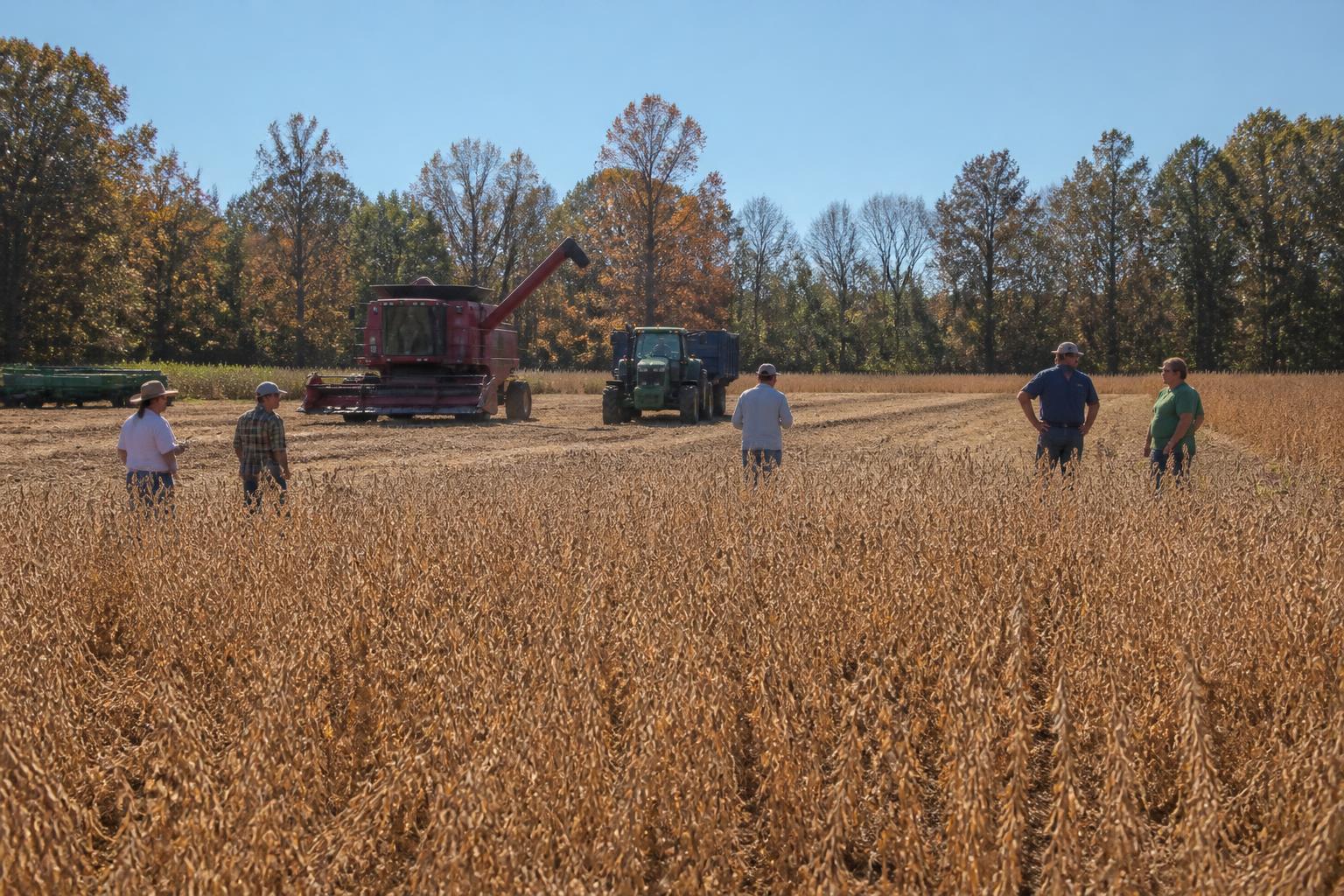
As the fall harvest season progresses in South Carolina, the focus for many growers and grain handlers shifts toward optimizing transport logistics. Moving product efficiently from field to storage or processing facilities remains a primary challenge, particularly as regional infrastructure faces the seasonal strain of increased heavy vehicle traffic. Maintaining reliable transport links is essential for managing product quality and ensuring timely delivery during this critical window.
Agribusinesses across the state are frequently weighing their options regarding fleet management and third-party logistics to mitigate rising overhead. While some operators lean on established private fleets, others may turn to regional carriers to supplement their capacity during peak harvest weeks. Understanding current South Carolina harvest logistics is vital for maintaining margins when navigating fuel variability and road load limitations.
Evaluating Fleet Dynamics
Market trends often reflect a broader push for efficiency in the movement of bulk commodities. Across various sectors of the agriculture industry, there is an ongoing trend toward expanding transport capabilities to handle higher volumes. For grain elevators and processing plants in the state, this means ensuring that incoming throughput matches the speed of the harvest, avoiding bottlenecks that can lead to costly downtime for equipment and labor.
Logistics in a Changing Environment
South Carolina farmers and logistics managers are accustomed to adapting to local variables, from specific crop yield fluctuations to regional weather impacts on road conditions. Coordination between local elevators and independent trucking operators often determines the success of the post-harvest movement. Proactive communication and long-term planning with logistics partners remain standard strategies for firms looking to secure their supply chains ahead of the winter months.
What it means for the market
For South Carolina agribusinesses, the current environment underscores the need for flexible transport strategies. By balancing internal fleet capacity with external partnerships and monitoring regional logistics bottlenecks, operators can reduce downtime and better manage the costs associated with moving the fall harvest. Maintaining operational agility is not just about equipment; it is about strategic planning in response to the specific demands of the harvest season.
Comments
No comments yet - be the first to share your take.