
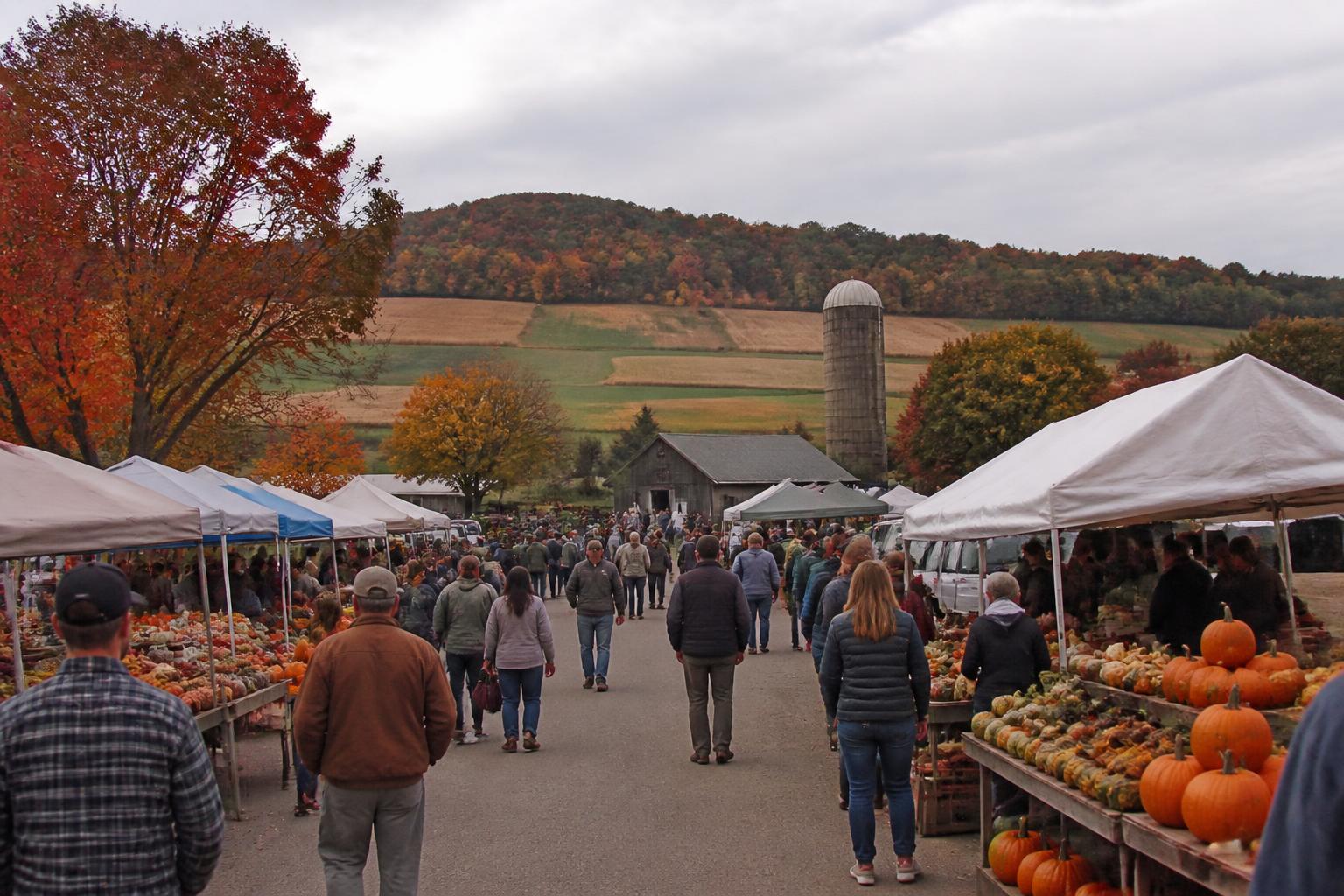
With the autumn harvest season now underway across Tennessee, the focus for grain handlers, farmers, and logistics providers has shifted toward the smooth movement of commodities. As crops across the Tennessee Valley show improved prospects, maintaining a fluid supply chain is essential for preventing bottlenecks at elevators and distribution points.
For many operators, the primary challenge remains balancing local transport capacity with the seasonal surge in traffic. Careful planning regarding regional transit routes and asset management is becoming a standard practice for agribusinesses looking to minimize delays during peak collection periods.
Navigating Tennessee Logistics Trends
In what is often referred to as a regional logistics hub, Tennessee faces unique pressures during the fall. Efficiently coordinating harvest-season transit is paramount as commodity volumes increase. Operators are increasingly looking at ways to streamline local routes, particularly in corridors that see heightened activity as producers move yields from fields to storage or processing facilities.
Beyond immediate transport, managing overall operational health is a key priority. For businesses, this includes analyzing harvest yields and logistical strategies to ensure that internal infrastructure remains robust. Coordination between carriers and grain elevators helps mitigate the common stressors of late-season volume, ensuring that equipment is utilized effectively and down-time is kept to a minimum.
Strategic Asset Management
As the season progresses, maintaining security and operational continuity becomes as important as transport speed. Many in the industry are focused on monitoring input logistics and yield trends, which provides the necessary foresight to adjust staffing and fleet deployment. By staying ahead of these seasonal fluctuations, agribusinesses in Tennessee can better insulate themselves from potential disruptions in the broader freight market.
What it means for the market
For Tennessee farmers and agribusinesses, the current environment emphasizes proactive planning. By syncing harvest schedules with available logistics capacity and keeping a close watch on regional transit conditions, market participants can better manage their bottom line. As we move further into the fall, flexibility in scheduling and clear communication with logistics partners will remain the best tools for maintaining market stability.
Comments
No comments yet - be the first to share your take.