
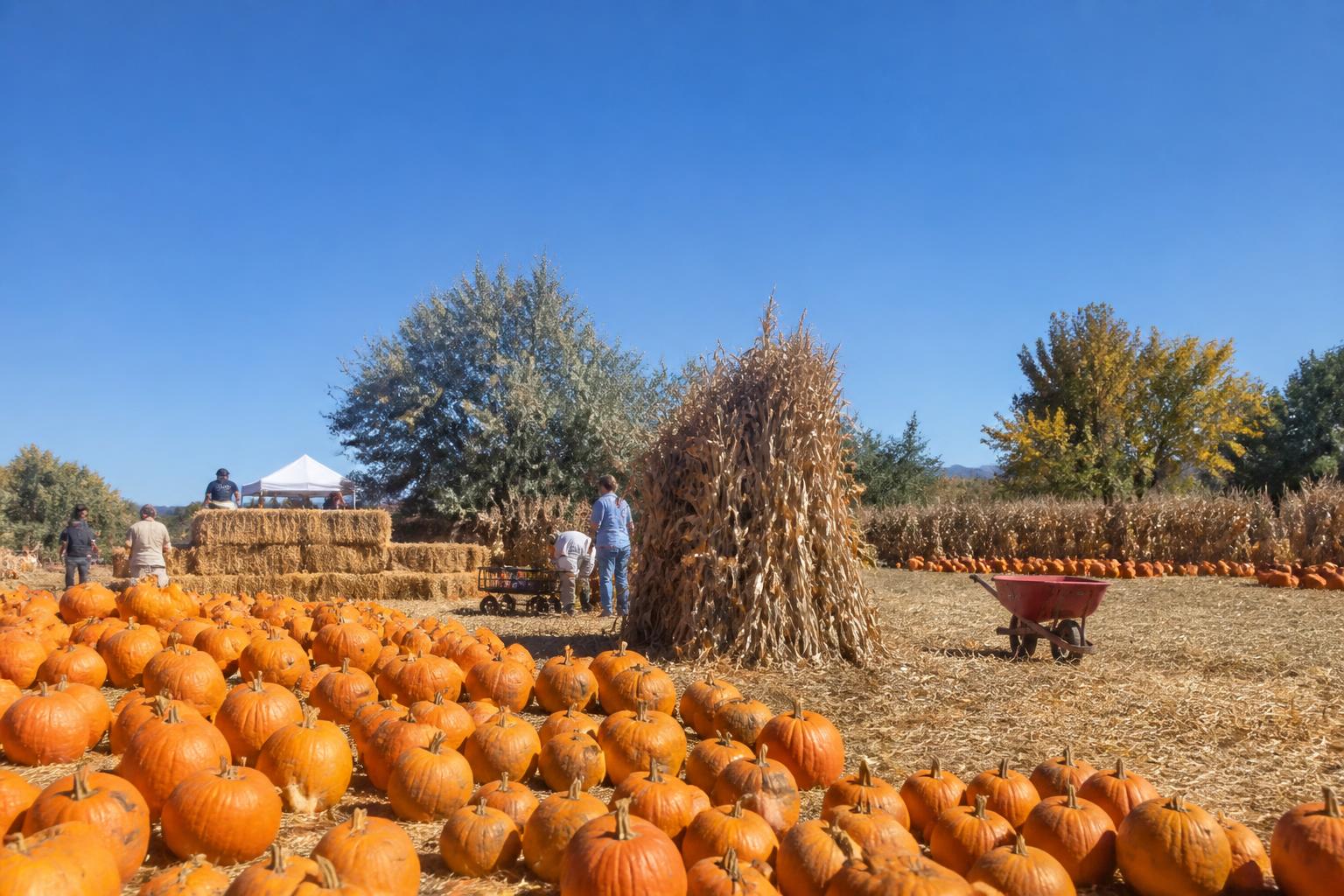
The Local Landscape: Harvesting and Market Access
As the fall season progresses across Nevada, growers are turning their attention toward harvest windows and the efficiency of local supply chains. For many producers, the challenge lies in effectively managing regional logistics, especially as navigating Nevada's agricultural logistics amid seasonal shifts remains a priority for maintaining profitability. Efforts to strengthen the state's food systems are increasingly focused on improving institutional procurement channels, allowing local operators to bypass traditional bottlenecks that often inflate costs.
Global Market Dynamics and Input Costs
Nevada producers are not isolated from international instability. Recent reports indicate that global disruptions to grain exports continue to exert upward pressure on commodity prices, creating uncertainty for feed buyers and grain handlers alike. While Nevada's unique production focus includes organic specialties and phosphate-based soil amendments, the broader market volatility serves as a reminder to monitor fertilizer and input costs closely. Producers looking to remain competitive are encouraged to consider the current state of the Nevada fertilizer market as supply stability becomes as critical as price point in planning for the upcoming season.
Infrastructure and Future Outlook
Infrastructure remains a focal point for the region, with ongoing discussions regarding interstate capacity near Las Vegas aiming to improve long-haul logistics. Enhanced transit corridors may eventually assist in moving agricultural products more efficiently, though immediate attention remains on local storage and processing capacity. Collaborative research initiatives, including those involving regional ag stations, are increasingly looking at ways to diversify crop outputs to better align with the growing demand for organic and sustainably produced agricultural goods within the state.
What it means for the market
For Nevada agribusinesses, the current climate demands a two-pronged strategy: securing reliable input supplies early to mitigate global price shocks, and leveraging the growing interest in localized procurement to lock in consistent institutional buyers. As the fall harvest proceeds, operators should prioritize local logistics to avoid the risks associated with larger, more congested transit networks.
Comments
No comments yet - be the first to share your take.