
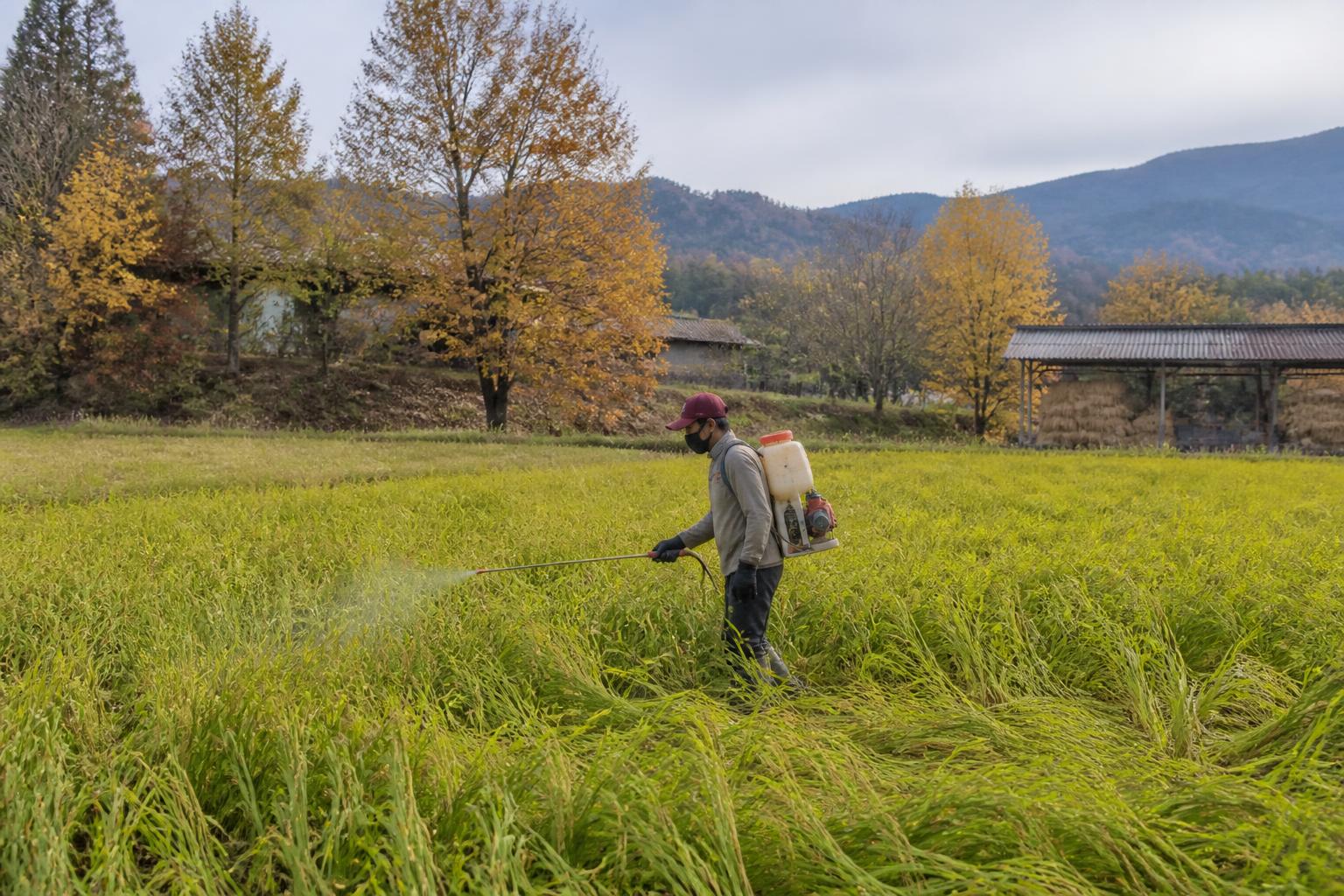
For Nevada producers and ag-businesses, the fall season often demands a recalibration of input strategies. As growers continue to navigate the complexities of regional soil conditions and variable water availability, the focus remains on maintaining crop health while managing the long-term sustainability of land assets. Recent industry developments underscore the importance of integrating modern crop protection solutions to mitigate the risks of weed pressure and external environmental stresses.
Prioritizing Resilience in Agricultural Planning
Effective resource management during the harvest cycle is not just about immediate yield, but about securing the soil health necessary for the next season. In regions where water is a premium commodity, protecting the crops from unnecessary competition for moisture is vital. Many growers are looking at how to balance input costs and environmental resilience, particularly as we enter the later months of the year. This approach often involves careful monitoring of localized supply chains and adapting application schedules to minimize waste.
Building Operational Stability
Agribusinesses across the state continue to emphasize the need for supply stability for regional growers. Whether dealing with complex logistics or global market fluctuations, the objective remains clear: securing reliable access to necessary fertilizers and protective agents. For producers, this means staying informed about how global commodity trends can impact local availability and, by extension, the price of critical inputs.
As operations look toward the winter, some producers in the western United States have already initiated discussions regarding potential industry relief to mitigate the impacts of severe weather events. Such proactive measures highlight the ongoing necessity of regional coordination to preserve agricultural viability in unpredictable climates. Understanding these market pressures and the move toward local procurement remains a cornerstone for long-term farm profitability.
What it means for the market
The Nevada agricultural market is currently defined by a cautious yet strategic approach to input spending. Growers who prioritize high-efficiency, targeted crop protection methods are better positioned to weather the volatility inherent in today's global supply chain. For carriers and handlers, maintaining consistent communication with regional producers regarding inventory availability will be the key to facilitating a smooth transition into the off-season.
Comments
No comments yet - be the first to share your take.