
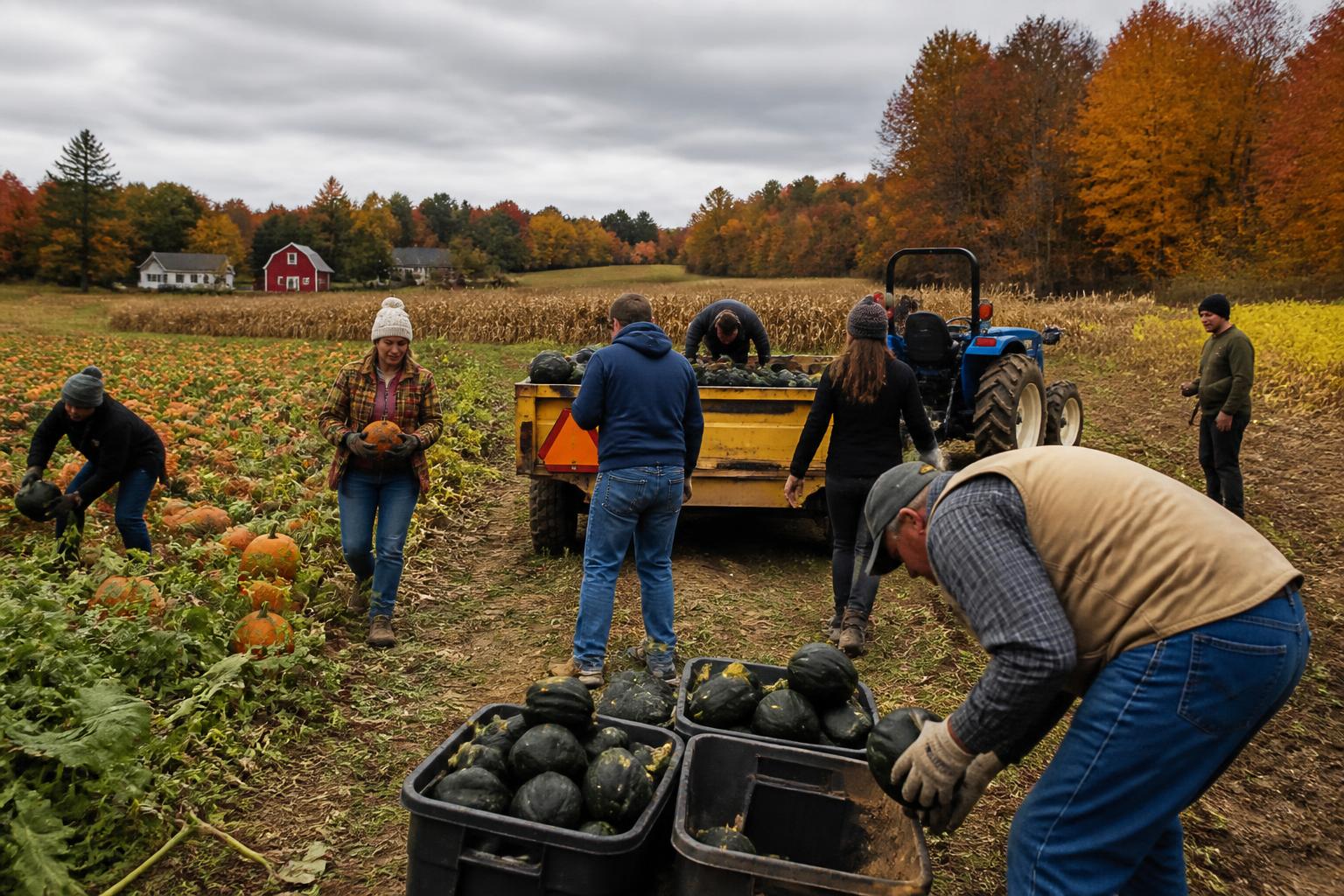
As the fall harvest season progresses across Rhode Island, agricultural producers are keeping a close watch on regional infrastructure and land access developments. Recent state-level initiatives, including significant investments in the protection of working lands in areas like Exeter, highlight an ongoing commitment to maintaining the viability of local farmland against development pressures.
For growers across the Ocean State, these efforts are timely, as managing operating costs remains a central focus of the season. Balancing soil health strategies and long-term land stewardship with the current economic climate is essential for those looking to maintain productivity. As discussed in our previous coverage of soil health and fertilizer strategies, precision in input management can be a decisive factor in sustaining margins during the later months of the year.
Navigating Market Pressures
The intersection of regulatory policy and logistics continues to influence how Rhode Island farmers bring their goods to market. From coastal operations to inland growers in Washington and Providence counties, the ability to adapt to shifting environmental standards is becoming as important as the seasonal cycle itself. While some sectors may experience volatility due to broader, national-level economic trends, local farmers are increasingly finding value in diversifying their operations to remain resilient.
Infrastructure and Resource Management
Efficient logistics remain the backbone of a successful season. Whether coordinating transport for high-value cut flowers or staples, the quality of rural transit corridors directly impacts the bottom line. As producers prepare for the transition toward winter, ensuring that storage and transport infrastructure is optimized for current output levels can help minimize post-harvest losses. For more insights on how local operators are adapting their logistics to balance cost and sustainability, refer to our analysis on infrastructure and policy shifts affecting the region.
What it means for the market
In the near term, the stability of the Rhode Island agricultural market will likely hinge on the successful integration of preserved land into active production cycles and the continued management of input costs. Farmers who prioritize efficient resource allocation and stay informed on state-led development initiatives may be better positioned to navigate the market dynamics typical of this time of year.
Comments
No comments yet - be the first to share your take.