
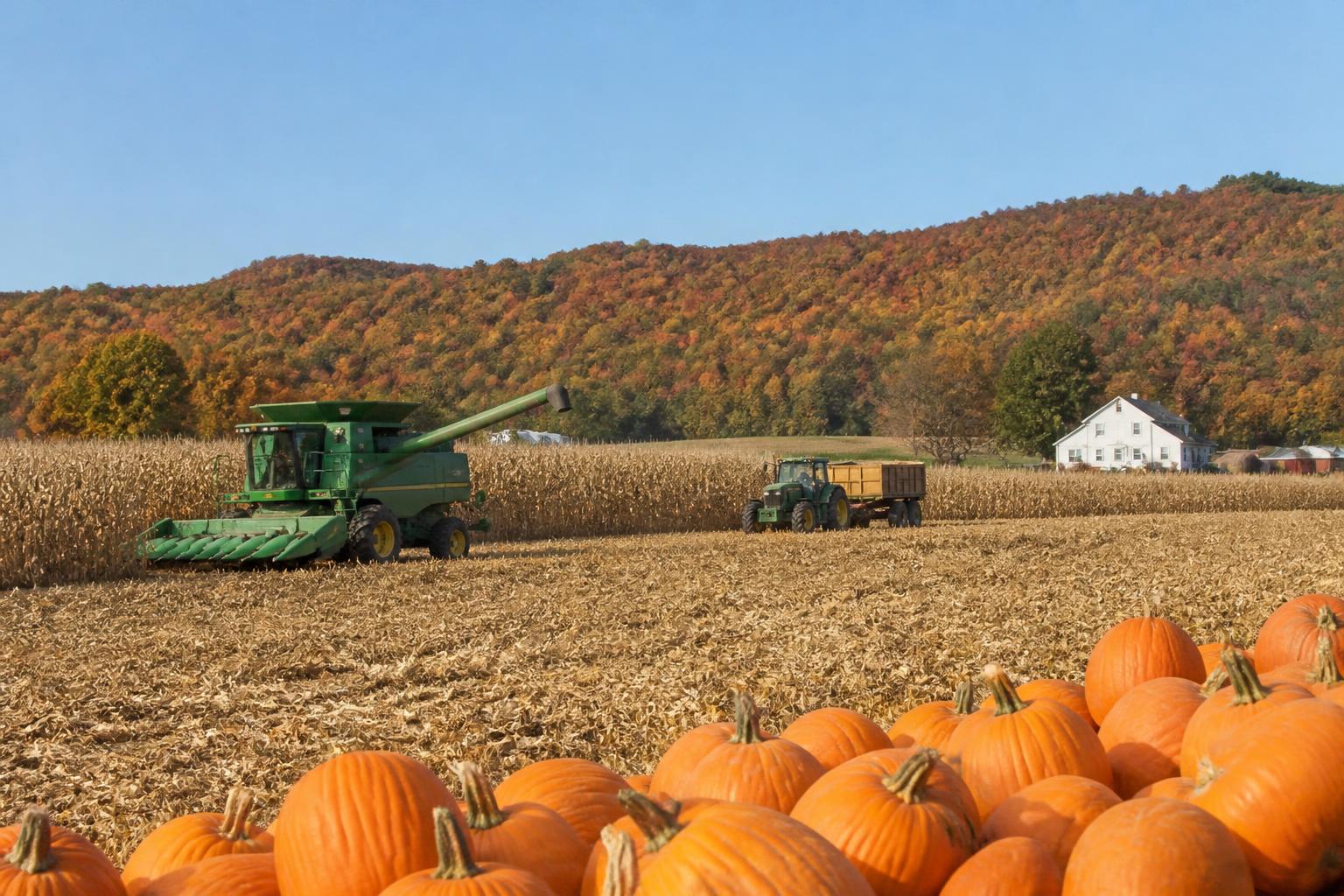
As we move deeper into the fall season across Arizona, the state's diverse agricultural sector remains at a critical juncture. From the high-value specialty crops found at local roadside stands to the broader landscape of grain and commodity management, producers are navigating a period of fluctuating market demand. Farmers are assessing their current-crop positions while keeping a close eye on regional logistics that dictate the efficiency of moving goods from field to market.
For those managing on-farm storage or navigating Arizona harvest logistics, this time of year often requires a recalibrated approach to marketing strategies. Global geopolitical shifts can impact commodity price volatility, prompting producers to evaluate when to move old-crop supplies to capture potential rallies. These macro-level market pressures emphasize the importance of maintaining flexible, efficient, and well-integrated transport networks within the state.
Community and Production Dynamics
Beyond the primary commodity markets, Arizona is seeing a sustained interest in the connection between local production and consumer engagement. Educational efforts aimed at growing interest in agriculture continue to bridge the gap between rural production and urban consumption, highlighting the nutritional value of regional harvests. This shift toward localized food systems is often complemented by initiatives that promote community gardening and direct-to-consumer sales, which serve as a buffer against some of the broader, less predictable commodity market swings.
Managing Operational Infrastructure
Efficient infrastructure remains the backbone of the state's agricultural success. Whether it involves maintaining the integrity of local transit corridors or addressing the operational headwinds associated with rising input costs, Arizona businesses are finding ways to innovate. The ongoing focus on scaling capacity and managing inputs highlights the necessity for producers to remain lean and responsive as they prepare for the upcoming cycle.
What it means for the market
The current market environment encourages a cautious but proactive stance. Arizona producers should continue to prioritize operational agility, particularly regarding the timing of crop sales and the maintenance of essential storage facilities. By staying informed on both local community-supported agriculture trends and broader commodity price indicators, agribusinesses can better position themselves to mitigate risk while identifying opportunities for growth in an evolving agricultural landscape.
Comments
No comments yet - be the first to share your take.