
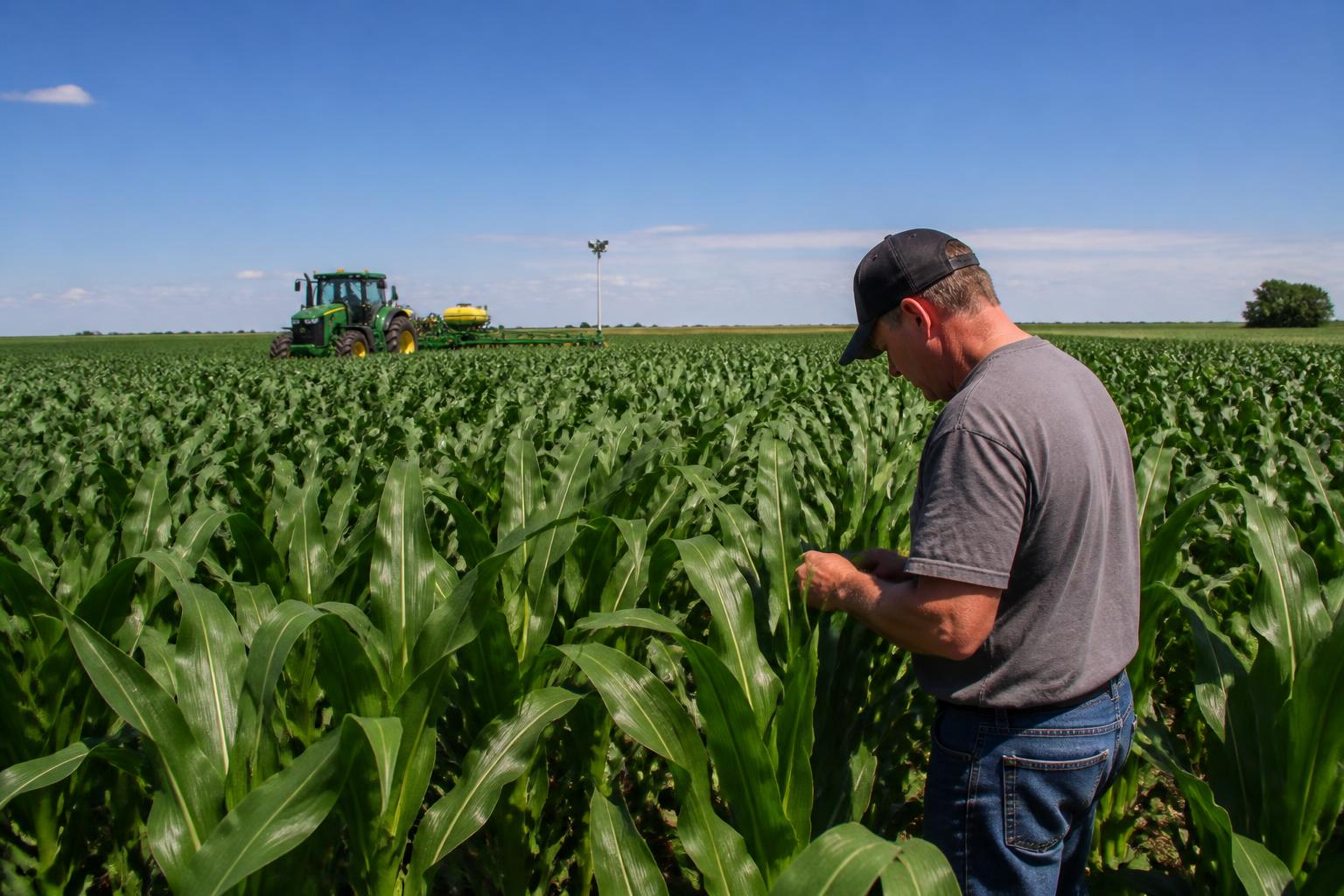
As summer heat settles across West Virginia, from the rolling pastures of the Potomac Highlands to the fertile soils of the Ohio River Valley, local agribusinesses and livestock operators are navigating a complex nutrient management landscape. Balancing the nutritional demands of mid-summer crops and pastures with tight operating margins requires a highly strategic approach to fertilizer application this season.
In addition to cost management, West Virginia producers face ongoing regulatory and environmental responsibilities. With local state agencies actively reminding livestock operators of Concentrated Animal Feeding Operation (CAFO) guidelines, precision nutrient application is no longer just about optimizing yields-it is a regulatory necessity to protect regional water quality.
Navigating CAFO Rules and Watershed Conservation
West Virginia livestock and poultry operations must manage their manure and fertilizer applications carefully to remain in compliance with CAFO regulations. This is particularly critical for farms situated in the eastern counties, where runoff concerns are tied closely to the broader multi-state Chesapeake Bay cleanup efforts. For these producers, balancing agricultural survival with strict environmental stewardship is a daily reality.
By treating manure as a high-value fertilizer asset rather than a waste product, farmers can significantly offset their synthetic fertilizer costs. However, doing so requires careful adherence to regional conservation guidelines, ensuring that phosphorus and nitrogen applications do not exceed soil absorption capacities or risk washing into local waterways during sudden summer thunderstorms.
Optimizing Summer Pasture and Forage Inputs
For beef and dairy producers across the state, summer pasture quality directly dictates feed efficiency and herd performance. High fertilizer prices in recent years have forced growers to be highly selective with their application schedules. Rather than blanket-spreading nitrogen, many are turning to split-applications and targeted grazing rotations to maximize forage production.
West Virginia pasture nutrient strategies emphasize the importance of timing inputs to match active forage growth phases, which helps prevent nutrient leaching during the hot, dry summer months. Regional support systems, such as recent funding initiatives from Farm Credit of the Virginias for the dairy sector, continue to assist livestock operations in maintaining viable production systems amid these shifting input costs.
Embracing Alternative Nutrients and Local Resources
In response to volatile commercial fertilizer prices, West Virginia farmers are increasingly looking toward alternative and circular nutrient economies. Utilizing organic wastes, local compost, and recycled poultry litter from neighboring agricultural zones can provide a more cost-effective nutrient profile. Additionally, institutions like West Virginia University continue to showcase agricultural innovations, including methane-powered machinery, highlighting a broader regional push toward self-sufficiency and reduced reliance on external fossil-fuel-based inputs.
Key Takeaways for West Virginia Producers
- Stay Compliant: Review local CAFO manure application guidelines and keep precise records to prevent runoff into sensitive watersheds.
- Target Pasture Nutrients: Apply mid-summer nitrogen selectively to pastures during active growth windows to maximize forage return on investment.
- Explore Local Organic Sources: Utilize regional poultry litter or dairy manure to substitute for expensive synthetic fertilizers while enhancing soil organic matter.
What it means for the market
For the remainder of the summer, the West Virginia fertilizer market is expected to see highly conservative, demand-driven buying. Retailers should prepare for a preference toward custom blends, split-application technologies, and soil-testing services as growers prioritize precision over volume. Suppliers who can offer nutrient management advice tailored to local watershed regulations will find themselves in a strong position to support the state's resilient farming community.
Comments
No comments yet - be the first to share your take.