
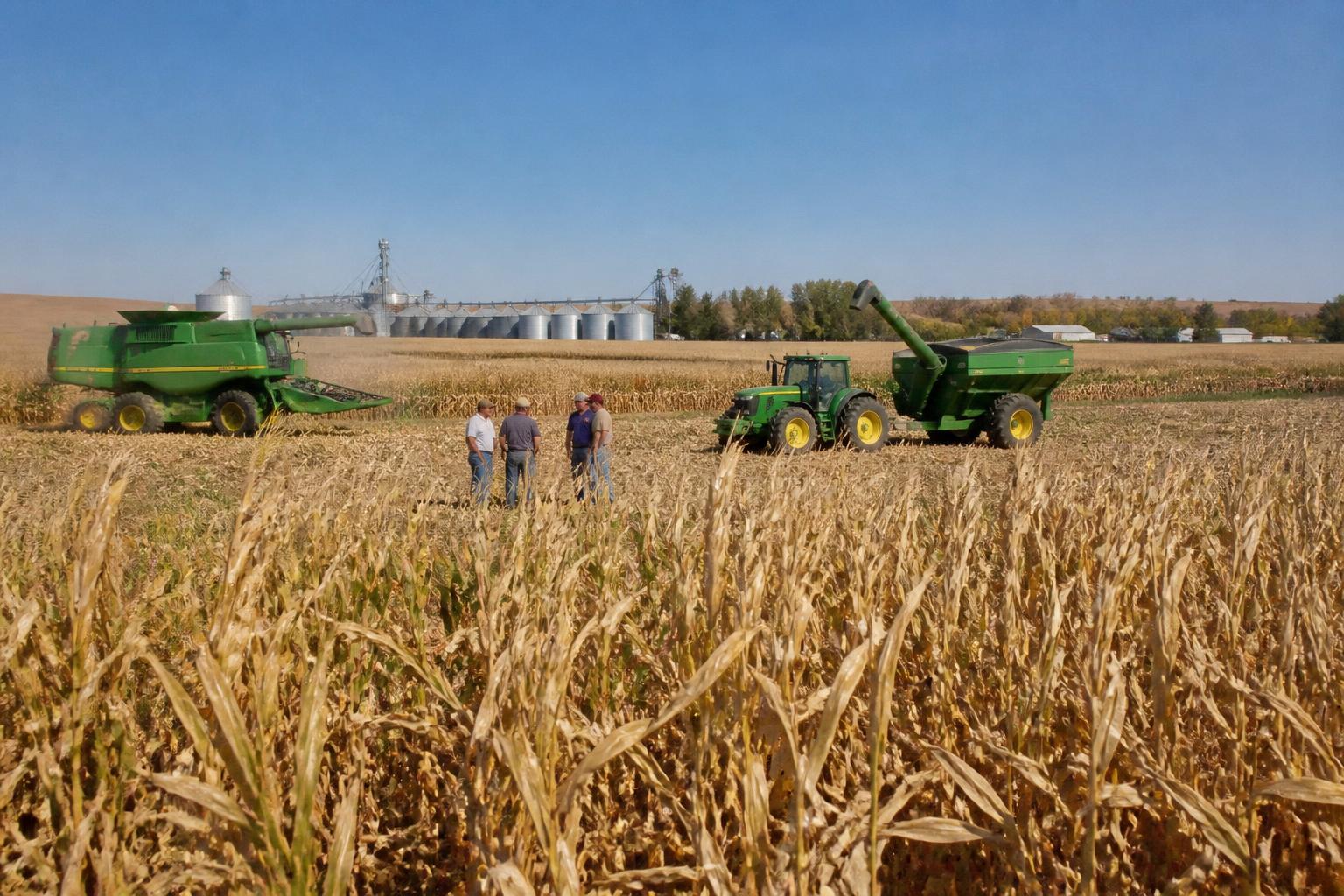
South Dakota’s agricultural landscape is navigating a period of significant structural change this fall. While producers are focused on the final stages of the season, recent developments in regional processing capacity point toward a long-term shift in how grain and livestock products move through the state. New facility investments, such as those seen in central South Dakota, signal confidence in the state’s role as a primary processing hub, potentially altering traditional logistics patterns for regional elevators and haulers.
Infrastructure and Operational Hurdles
Despite the optimism surrounding new processing capacity, growers continue to manage tight margins. Reports of rising pasture rental rates have added a layer of complexity to livestock operations, challenging producers to optimize their land use more aggressively. For those managing grain operations, the environment remains equally demanding. Optimizing equipment and field throughput has become a central theme for many, especially as farmers contend with variable field conditions and the ongoing need for efficient crop handling.
Managing Land and Input Constraints
The persistence of localized drought conditions continues to influence planning and land management decisions across the state. Farmers are balancing the need for long-term soil health with the immediate requirements of managing weeds and maximizing yield in often unforgiving conditions. For agribusinesses, staying aligned with these regional constraints is vital, particularly as infrastructure and stability remain at the forefront of local market discussions.
What it means for the market
For South Dakota farmers and supply chain partners, the message is one of tactical adjustment. While the expansion of processing facilities offers promise for local demand, the immediate reality involves navigating increased overhead and unpredictable moisture levels. Agribusinesses should prepare for a potentially compressed harvest window where logistics efficiency will serve as the primary lever for maintaining profitability against rising operational expenses.
Comments
No comments yet - be the first to share your take.