
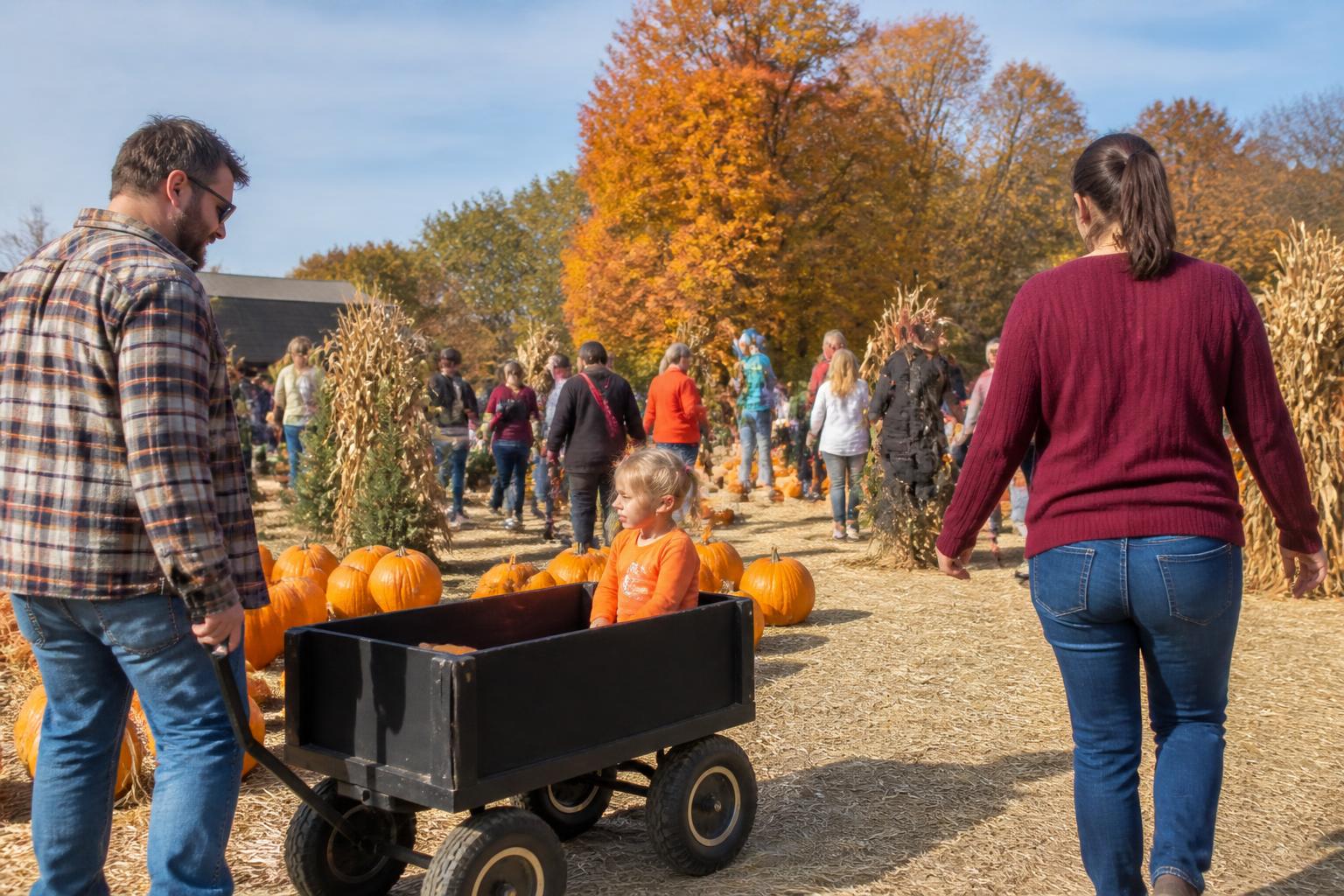
As the fall season takes hold across Virginia, farmers and agribusinesses are shifting their focus toward harvest activities. While traditional grain production remains a cornerstone of the Commonwealth's agricultural identity, the landscape is increasingly influenced by broader national market shifts. Growers are navigating a complex environment where balancing traditional commodity production with emerging land-use trends has become a primary operational challenge.
For those managing grain movement, keeping a close watch on regional logistical efficiencies is critical. Market pressure within the Virginia grain sector often requires producers to remain agile as they navigate trade fluctuations and variable input conditions. Meanwhile, some operations are finding new opportunities to diversify, with certain legacy tobacco acreage transitioning into organic produce or specialized crop rotations that demand distinct handling and storage protocols compared to standard row crops.
Adapting to Evolving Acreage and Market Shifts
The USDA's ongoing outlooks suggest that soybean interest remains steady nationally, a trend that local growers are monitoring closely. In Virginia, the decision-making process for next season is already intertwined with the current harvest. Whether evaluating the profitability of traditional grains or exploring the viability of diversified land projects, such as solar integration or specialty crops, producers are weighing long-term infrastructure needs against immediate seasonal returns.
Beyond commodity prices, the regional infrastructure is adapting as well. Efforts like the expansion of local container recycling programs are helping Virginia producers manage farm waste more effectively, supporting the transition toward more sustainable and efficient production models. For grain elevators and transporters, this period is marked by the need for tight coordination to manage storage capacity and regional flow effectively as volume increases through the autumn months.
What it means for the market
For Virginia's grain handlers and farmers, the current market underscores a need for continued investment in both physical infrastructure and information management. As producers move through this fall season, the ability to leverage regional logistics and stay informed on shifting national supply trends will be the primary drivers for managing margin risk. Success this season will likely depend on maintaining strong connections with local buyers while staying prepared for the logistical demands that follow the peak harvest window.
Comments
No comments yet - be the first to share your take.