
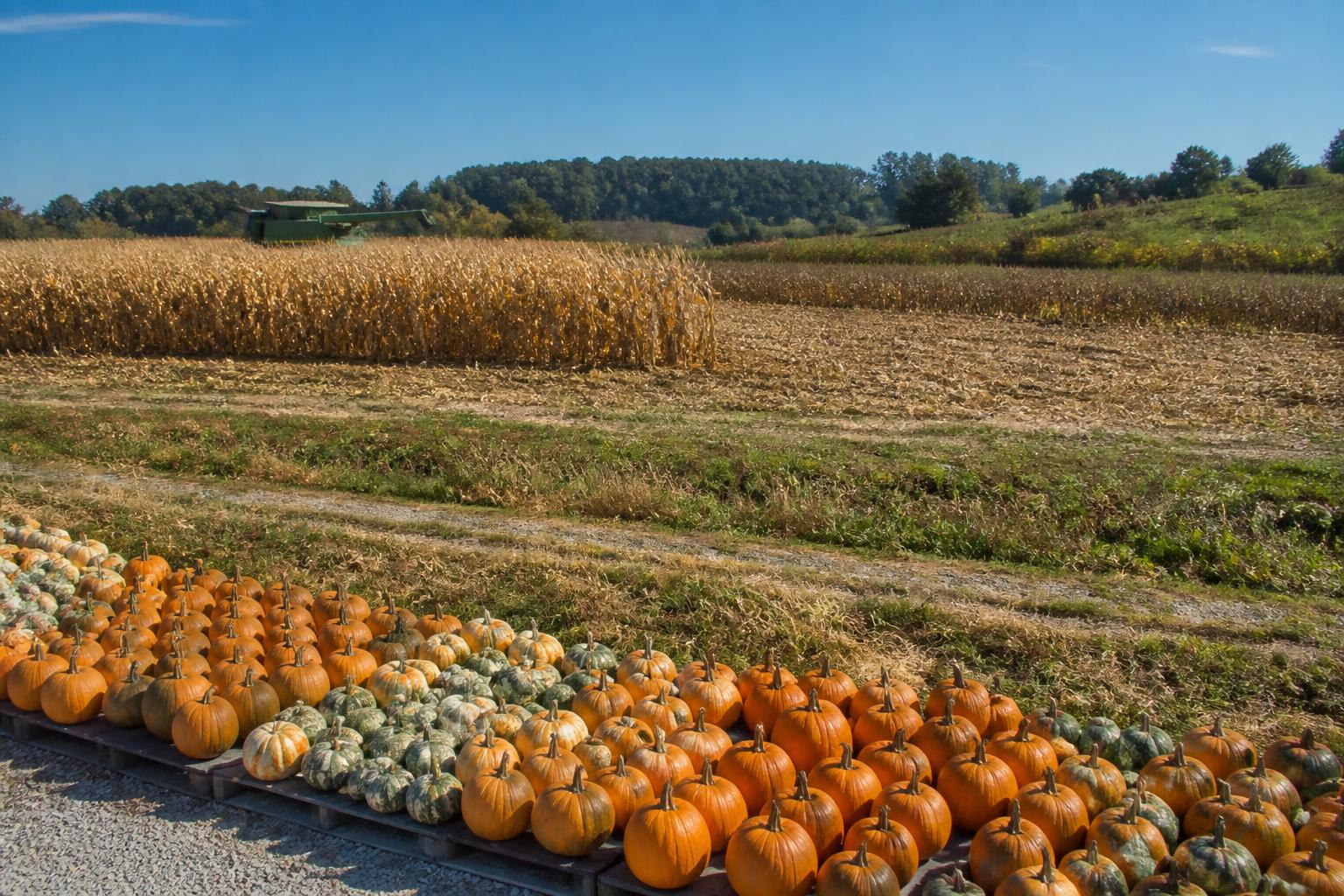
Contrasting Crop Realities in North Carolina
As harvest activity accelerates across North Carolina, the agricultural landscape remains defined by significant environmental variability. Producers are reporting a distinct divergence in crop health as they move through the current fall season. While corn yields are demonstrating strong resilience and overall quality, the state's soybean crop is facing a much more difficult path, with intensifying drought conditions across many regions continuing to apply pressure on development and projected output.
For those managing the flow of product, tracking these developments is essential for logistics planning and storage allocation. The North Carolina grain harvest requires a coordinated effort to manage varying delivery timelines as growers juggle the needs of a successful corn run alongside the uncertainty surrounding the soybean harvest.
Infrastructure and Logistical Considerations
Efficiency in moving grain from the field to the terminal remains a top priority for regional agribusinesses. New infrastructure, such as the recently launched Candor Logistics Park, highlights ongoing efforts to improve regional rail capacity and staging areas. Such facilities often help alleviate the localized bottlenecks that can arise during peak transport windows, providing elevators and carriers with more consistent access to regional transit corridors.
Beyond physical transit, producers are keeping a close eye on the broader operating environment. Whether navigating seasonal transit pressures or assessing the impact of energy costs on input delivery, stakeholders are working to balance immediate field requirements with long-term margin management. This environment underscores the need for tight communication between farm managers, transport providers, and regional grain buyers.
Strategic Resource Management
Farmers are also weighing specialized solutions to maximize the utility of their current crop residue. Research into enhancing corn stover nutrition for livestock may offer supplemental value for beef cattle operations in the state, potentially providing a secondary market for growers looking to optimize their land use. As always, keeping an eye on market-specific buyer information remains a critical step for North Carolina growers looking to secure the best possible value for their yields during this volatile period.
What it means for the market
The current market environment in North Carolina demands a flexible approach to harvest logistics and inventory storage. With corn performing well despite environmental hurdles and soybeans under stress, growers should prioritize timely harvest completion where possible to protect yield quality. Expect continued localized pressure on transport infrastructure as the harvest reaches its peak, making it vital for all partners to coordinate staging and transit schedules closely to avoid unnecessary delays at the elevator.
Comments
No comments yet - be the first to share your take.