
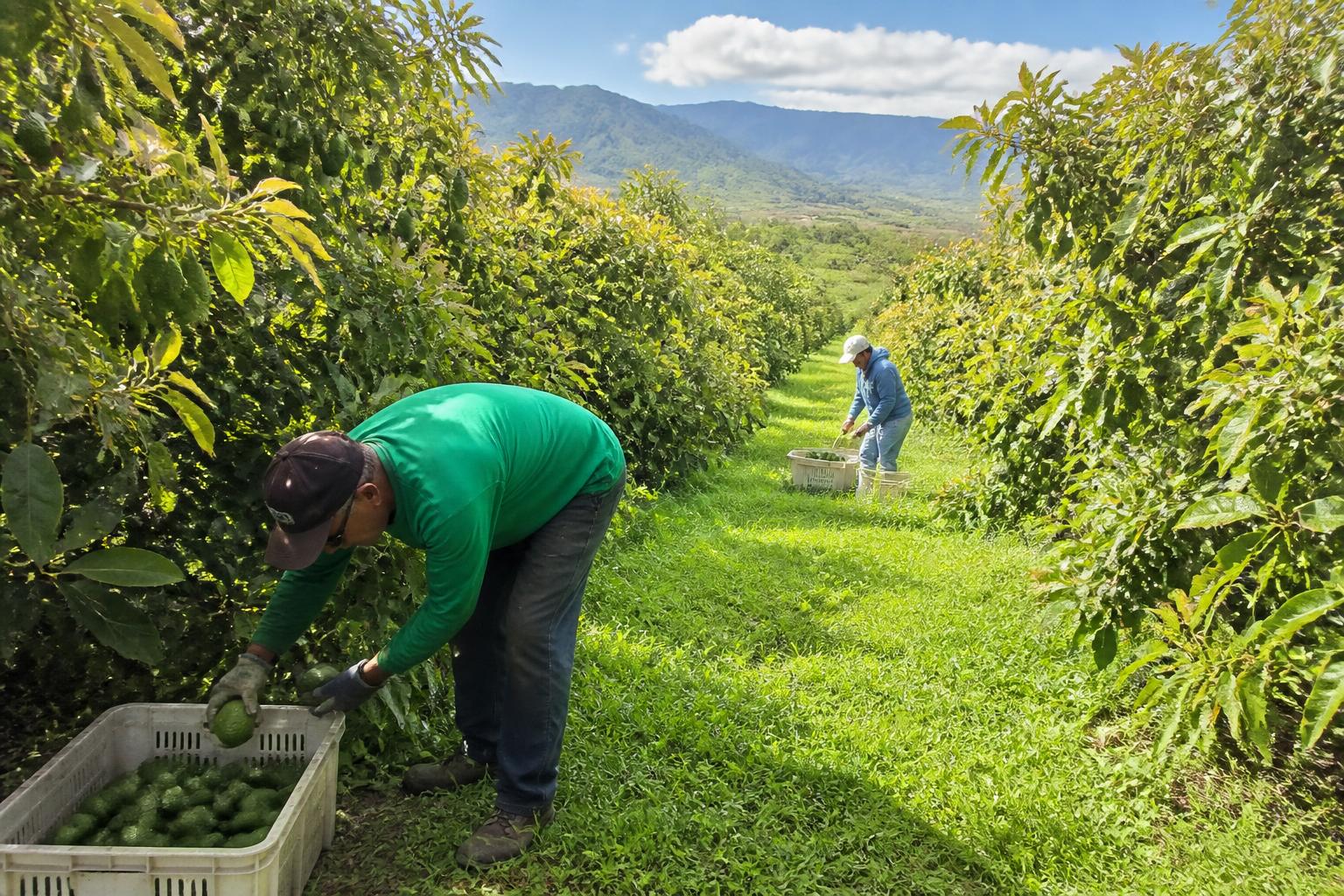
As we transition into the fall months, Hawaii’s agricultural sector remains focused on balancing innovation with the practical realities of island-based production. Recent University of Hawaii initiatives are providing new technical support for local growers, ranging from specific crop research to data-driven insights that assist farmers in refining their operations.
Research Driving Crop Resilience
The intersection of academic research and field-level implementation is becoming increasingly vital for Hawaii's producers. New collaborations between the university and local farms aim to bolster production security and crop viability. These efforts often focus on adaptive strategies that help growers manage site-specific challenges, including irrigation efficiency and disease mitigation. By leveraging localized data, farmers across the islands are better positioned to navigate the complex environmental factors that define regional crop success.
Operational Standards and Risk Management
With ongoing pressures affecting the broader agricultural landscape, producers are keeping a close watch on resource management and regulatory compliance. Effective oversight regarding pesticide application and worker safety remains a cornerstone of professional farm management. Operations that prioritize transparent, safety-focused protocols are finding it easier to maintain both local and regional market trust during these dynamic seasonal transitions.
Logistics and Market Constraints
Logistical fluidity remains a constant concern for Hawaii's agribusinesses, particularly as fuel costs and external economic factors exert pressure on supply chains. Maintaining efficient grain handling and input movement is essential for sustaining local operations, especially for farms that rely on consistent supplies for livestock or secondary crop processing. Staying informed on regional inventory levels and local supply chain capacity can provide a buffer against potential market volatility this fall.
What it means for the market
For farmers and handlers in Hawaii, the focus this season is on optimizing resource allocation through evidence-based practices. While external economic headwinds persist, the integration of new research into daily operations offers a path forward for increasing yield stability and operational longevity. Producers are encouraged to keep monitoring local university bulletins and trade alerts to stay ahead of both environmental and logistical shifts.
Comments
No comments yet - be the first to share your take.