
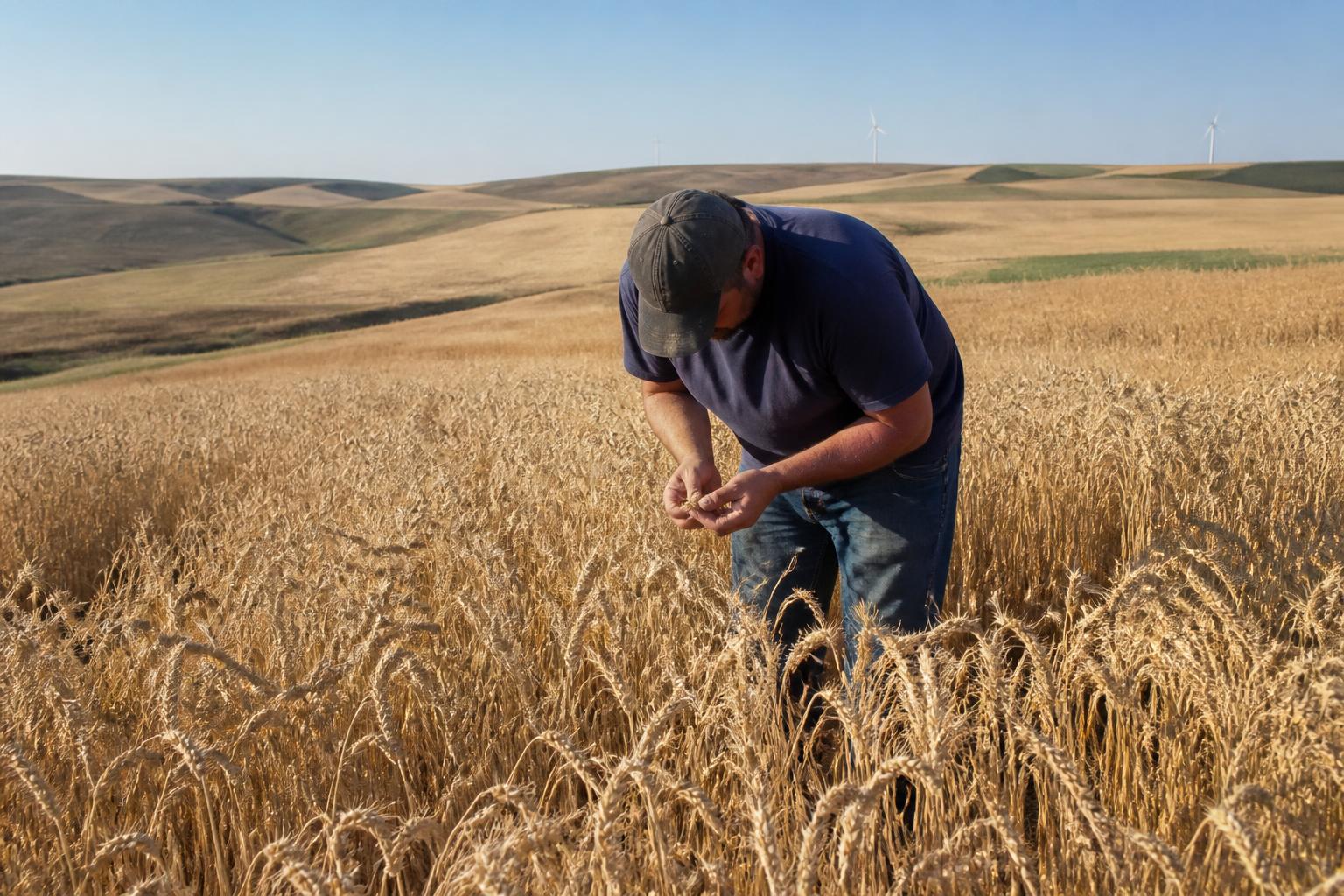
As the fall harvest season accelerates across Oregon, the agricultural sector finds itself balancing immediate logistical needs with long-term cost management. From the expansive wheat fields of the interior to the diverse nursery operations in the Willamette Valley, growers are monitoring how macroeconomic shifts impact their bottom line, particularly regarding inputs and transport.
For those managing input procurement, the current market climate remains dynamic. While some growers may be looking to optimize fertilization schedules, others are assessing the broader supply chain stability that dictates how efficiently supplies reach the farm gate. In many parts of the state, managing overhead during active harvest windows requires a keen focus on both local grain market fluctuations and the accessibility of essential equipment and chemical supplies.
Infrastructure and Transport Considerations
Logistical reliability remains a cornerstone for Oregon producers. Recent developments regarding infrastructure maintenance and regulatory oversight, such as updates on bridge assessments or transport corridors, play a vital role in ensuring that harvest-time traffic moves without significant disruption. When infrastructure hitches occur, they can ripple through the supply chain, potentially delaying the delivery of inputs for the next planting cycle or slowing the movement of commodities to regional processing hubs.
Operational Uncertainty and Market Adaptation
The nursery and broad-acre sectors continue to navigate a period of marked uncertainty. Whether addressing pest pressures or responding to shifts in environmental policy, producers are increasingly adopting adaptive management strategies. As Oregon farmers weigh their next moves, many are placing a higher premium on operational flexibility, aiming to mitigate the impact of external price volatility on their specific commodities.
What it means for the market
For Oregon agribusinesses, this period calls for a disciplined approach to inventory and logistics. As harvest continues, the ability to control variable costs while maintaining the integrity of the supply chain will likely remain the primary driver of profitability. Staying informed about local transit updates and input availability can provide a significant advantage as the season transitions toward winter preparation.
Comments
No comments yet - be the first to share your take.