
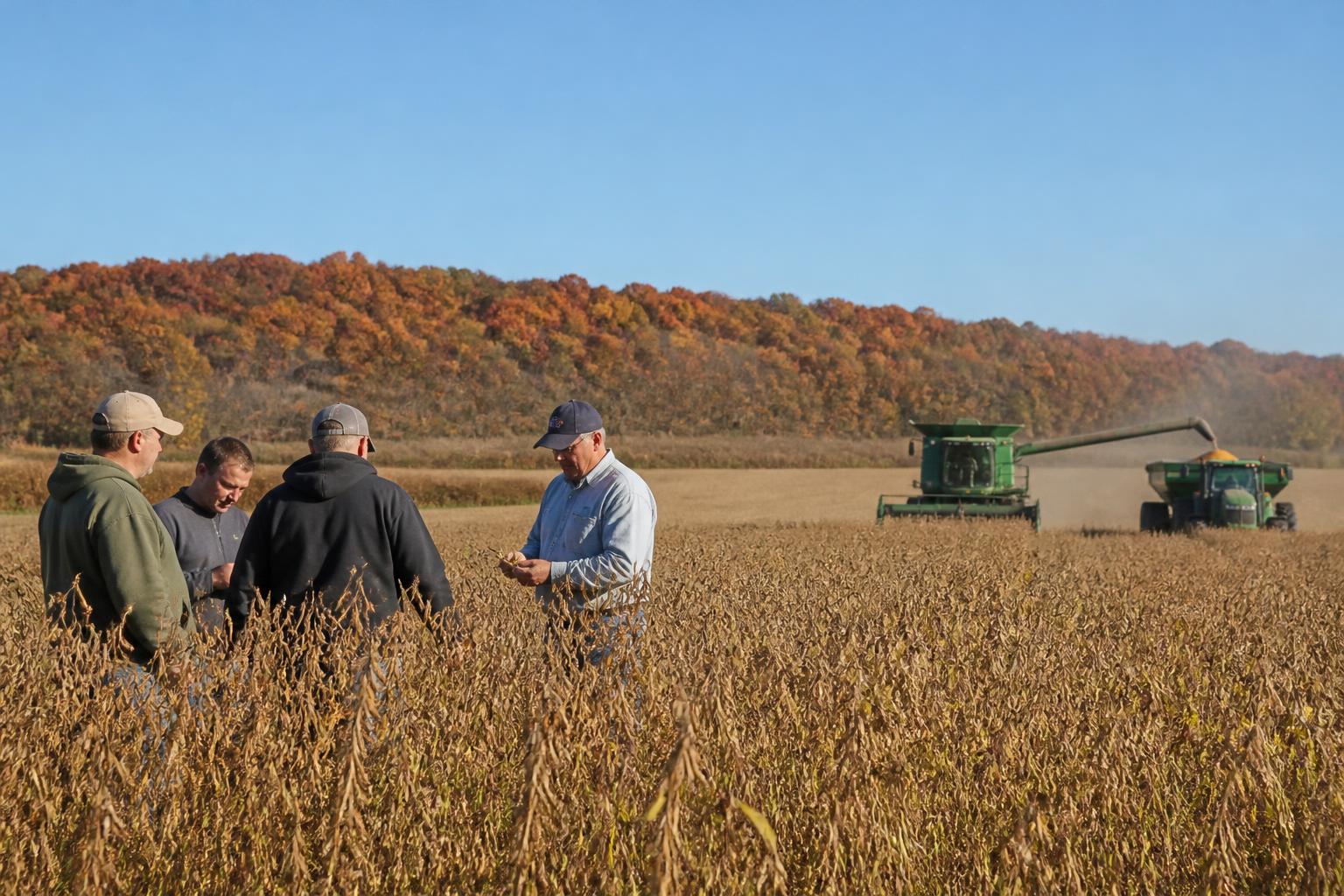
As Ohio growers move through the critical fall harvest window, the focus on soil management and fertilizer application timing remains at the forefront of operational planning. With shifting weather patterns, including observations of increasingly intense precipitation events, the regional conversation has centered on maintaining nutrient efficiency while protecting sensitive watersheds like Lake Erie. Ensuring that applications align with crop needs and soil conditions is a primary objective for many agribusinesses and operators navigating this season.
Producers are increasingly leveraging data-driven insights to manage input applications more precisely. By utilizing advanced analytics to inform field-level decisions, farmers can better align nutrient placement with localized crop requirements, which can serve both the bottom line and broader environmental stewardship goals. These technological advancements in transit and logistics, combined with improved application mapping, are helping to refine how inputs move through the state and are applied in the field.
Refining Nutrient Management and Stewardship
The commitment to long-term sustainability is influencing how Ohio farmers approach fall tillage and fertilizer practices. Discussions around nutrient runoff management often emphasize the importance of balancing traditional production methods with modern conservation techniques. For many operations, this means coordinating closely with fertilizer retailers to optimize logistics and ensure that product availability aligns with regional demand during peak operational windows.
Effective planning often involves understanding how regional logistics infrastructure, such as those detailed in recent updates on Ohio grain flow and infrastructure, can impact the timely delivery of inputs. By staying ahead of supply chain fluctuations, operators can mitigate potential delays that arise during the busy harvest season.
What it means for the market
For Ohio agribusinesses and input buyers, the current market climate favors those who prioritize high-precision application and logistical foresight. As the state continues to refine its approach to nutrient management, the integration of data, reliable transport partnerships, and adaptive management strategies will be essential for maintaining productivity while meeting evolving stewardship standards throughout the fall season.
Comments
No comments yet - be the first to share your take.