
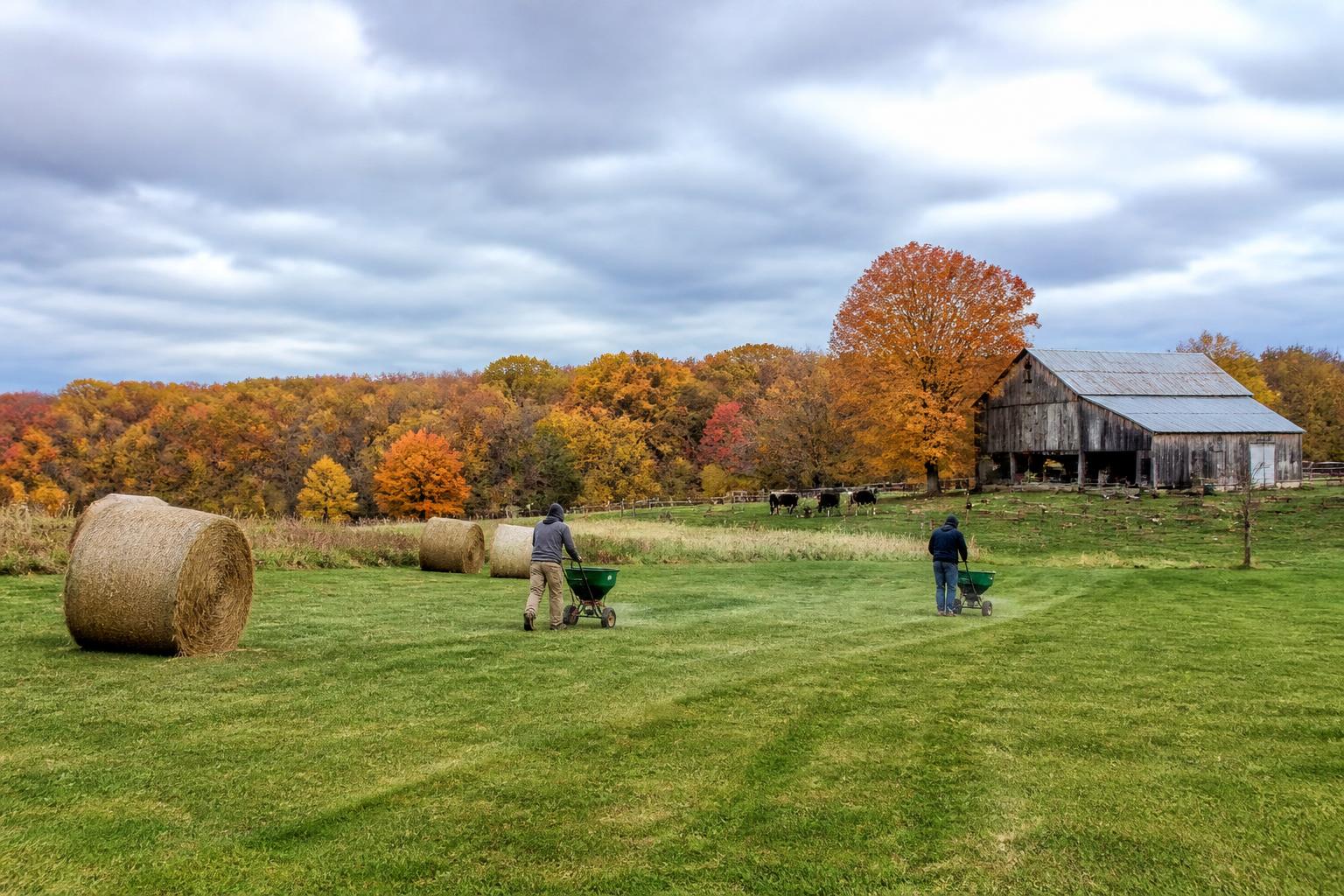
As Maryland agriculture transitions into the mid-autumn window, producers are shifting their focus toward soil health and post-harvest nutrient planning. With recent advancements in local infrastructure, including the deployment of high-speed dry mix fertilizer facilities, growers in the region now have more efficient options for securing and applying inputs ahead of next season.
For operators managing newly rented ground or rotating fields, early assessment of soil nutrient levels remains a critical priority. Careful coordination of input deliveries can help mitigate potential congestion at local hubs, which often experience increased demand during the harvest window. Understanding the logistical nuances of Maryland field traffic is essential for ensuring that fertilizer supplies reach their destination without disrupting broader harvest workflows.
Infrastructure Gains and Regional Capacity
Maryland has seen ongoing investment in bulk handling capabilities, specifically designed to expedite the blending and distribution of dry fertilizers. These facilities are built to keep pace with the state's diverse crop production cycle. By leveraging increased throughput, regional agribusinesses can better support the rapid turnaround times often required when windows for field application are restricted by weather or seasonal moisture levels.
Producers should continue to monitor how these improvements influence local price points and product availability. While national trends often show volatility in fertilizer markets, regional distribution speed can be a deciding factor in maintaining farm-level profitability. Efficient staging and local transport remain vital components of the supply chain, as highlighted by ongoing efforts in managing mid-autumn field operations across the state.
What it means for the market
For the Maryland grower, the combination of improved local fertilizer infrastructure and proactive soil management planning offers a path to lower operational friction. By aligning input procurement with regional transit capacities and optimizing the application schedule, agribusinesses can better handle the variables of the fall season. Staying ahead of supply chain fluctuations through local partnerships remains the most reliable strategy for protecting margins as the year concludes.
Comments
No comments yet - be the first to share your take.