
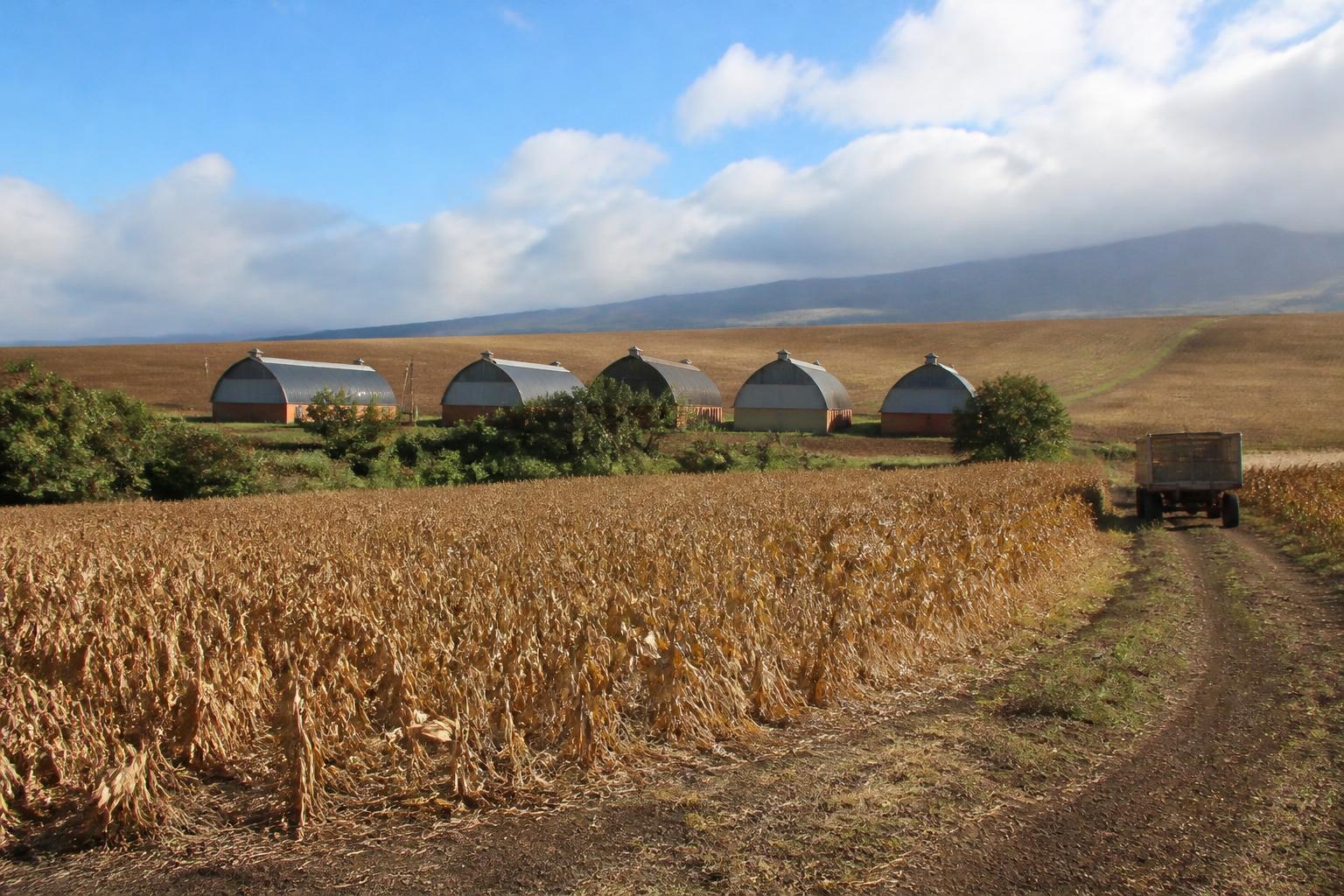
Hawaii's agricultural sector is witnessing a push toward modernized infrastructure, punctuated by recent plans for expansion among major producers. The decision by a local egg producer to construct four new barns suggests a strategic move to increase domestic supply, which may help mitigate some reliance on external imports. For local growers and managers, this reflects a broader trend of investing in facility upgrades to enhance production capacity in a geographically isolated market.
Regulatory Environments Impacting Ag-Growth
While facility expansion is a positive sign for operational growth, the broader landscape for Hawaii farming remains complex. Producers often cite that rigid regulatory frameworks can impede the agility required for modern farming. These structural obstacles often interact with the high input costs that define the state's agriculture economics, making long-term capital investments more sensitive to policy shifts.
Logistics and Market Resilience
Infrastructure development is not just about building new facilities; it involves navigating state-level mandates and supply chain constraints that can shift rapidly. For those operating in Hawaii's unique island environment, the ability to maintain consistent production cycles requires constant attention to both physical asset management and the regulatory environment that dictates how those assets are deployed.
What it means for the market
For agribusinesses in Hawaii, the takeaway is clear: while opportunities for scaling exist, they are intrinsically tied to an ability to navigate strict state regulations. Whether managing feed inputs for livestock or expanding physical footprints, farmers should prioritize resilience in their supply chains and stay informed on how shifting mandates might impact long-term operational feasibility.
Comments
No comments yet - be the first to share your take.