
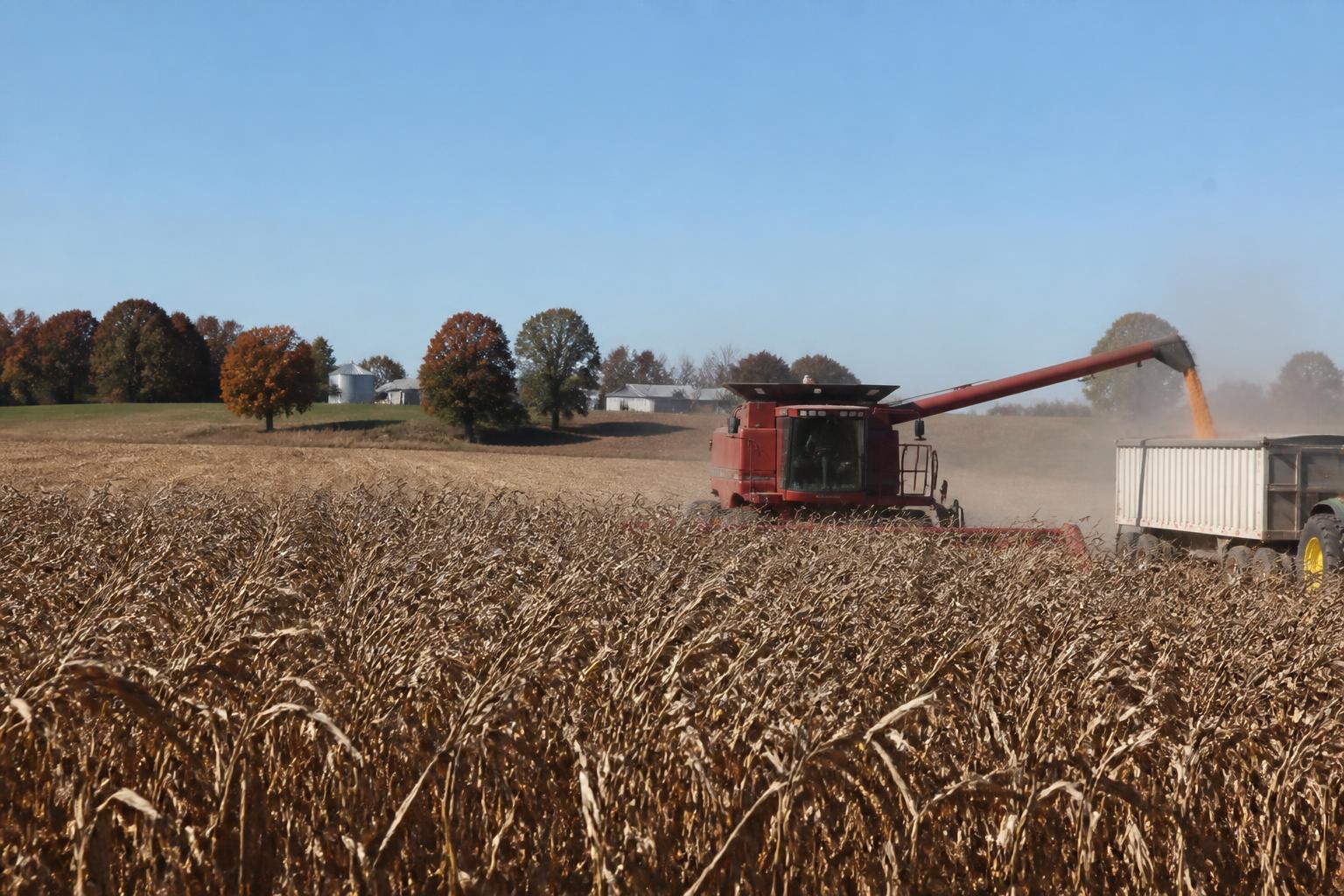
As the fall harvest season gathers momentum across Missouri, farmers are navigating a period of significant economic adjustment. Recent agricultural outlooks indicate that declining commodity prices may place increased pressure on farm margins, urging producers to sharpen their focus on operational efficiency and cost management. For many family-run operations and those managing long-standing agricultural enterprises, the current environment requires a careful balance between maximizing yield and controlling input expenditures.
Refining Input Strategies Under Price Pressure
The recent financial pressures affecting regional profitability underscore the necessity of a data-driven approach to field protection and resource allocation. While the desire to optimize crop performance remains a priority, producers are increasingly evaluating the return on investment for each dollar spent on fertilizers, pesticides, and specialized field treatments. Throughout Missouri, localized field conditions are dictating the specific intensity of these inputs, and regional cooperatives are reporting a shift toward more conservative, precision-based buying habits as growers look to protect their bottom lines.
Infrastructure and Logistical Considerations
Efficient movement of the fall crop remains critical, particularly with the ongoing modernization of key transit corridors. Improvements to regional infrastructure, such as the completion of major river crossings, provide important, albeit incremental, advantages for grain handlers looking to stabilize transport costs. As harvesting reaches its peak, clear communication with local elevators and transport providers can help mitigate the risks of bottlenecks, ensuring that producers can move product effectively despite market volatility.
What it means for the market
Producers should prepare for a potentially lean financial cycle through early 2027. By prioritizing cost-effective crop protection and closely monitoring market futures, agribusinesses can better navigate the period of anticipated income decline. Focusing on long-term operational sustainability, rather than speculative expansion, is currently viewed as a prudent strategy for weathering the existing economic climate.
Comments
No comments yet - be the first to share your take.