
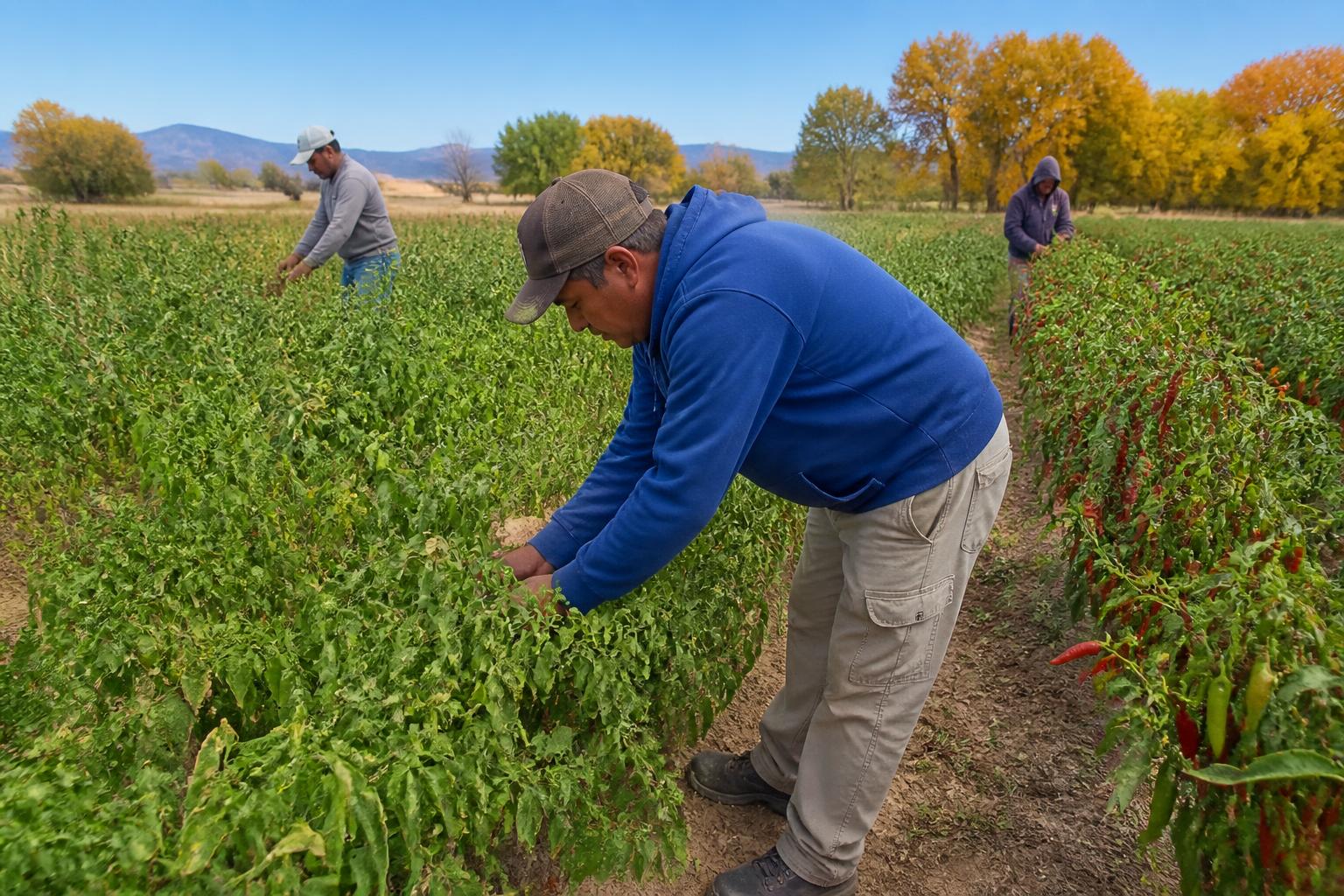
As we move deeper into the fall season, New Mexico agricultural producers are balancing high-stakes field operations with ongoing biosecurity concerns. Protecting the state's diverse agricultural output requires a careful approach to both livestock health and long-term soil productivity. For many, the focus remains on maintaining regional biosecurity standards following recent updates regarding screwworm surveillance near the border, a critical effort that protects the integrity of our livestock corridors and grazing lands.
Managing Input Volatility and Resource Efficiency
The current market landscape continues to challenge producers, particularly regarding the cost and accessibility of essential soil amendments. Whether addressing the needs of high-value specialty crops or preparing pastures for winter, effective fertilizer management remains a cornerstone of profitability. Producers are increasingly looking at precision application and balanced nutrition to offset broader price volatility in the global potassium and urea markets, ensuring that every dollar spent on inputs provides maximum crop or forage response.
Sustaining Operational Resilience
Beyond inputs, the state's growers are emphasizing integrated pest management and biodiversity. Efforts to monitor and preserve local pollinators remain vital for the health of regional ecosystems, while researchers continue to explore crop innovations that could provide more sustainable, resilient alternatives for our semi-arid climate. By diversifying practices and staying informed on logistical shifts in regional supply chains, agribusinesses can better navigate the pressure of a tightening market environment.
What it means for the market: For New Mexico farmers and ranchers, the combination of cautious biosecurity monitoring and strategic input purchasing is essential for navigating the end of the year. Prioritizing efficiency in nutrient management and maintaining strict vigilance against pest threats will be the primary drivers for protecting thin margins throughout the remainder of the harvest season.
Comments
No comments yet - be the first to share your take.