
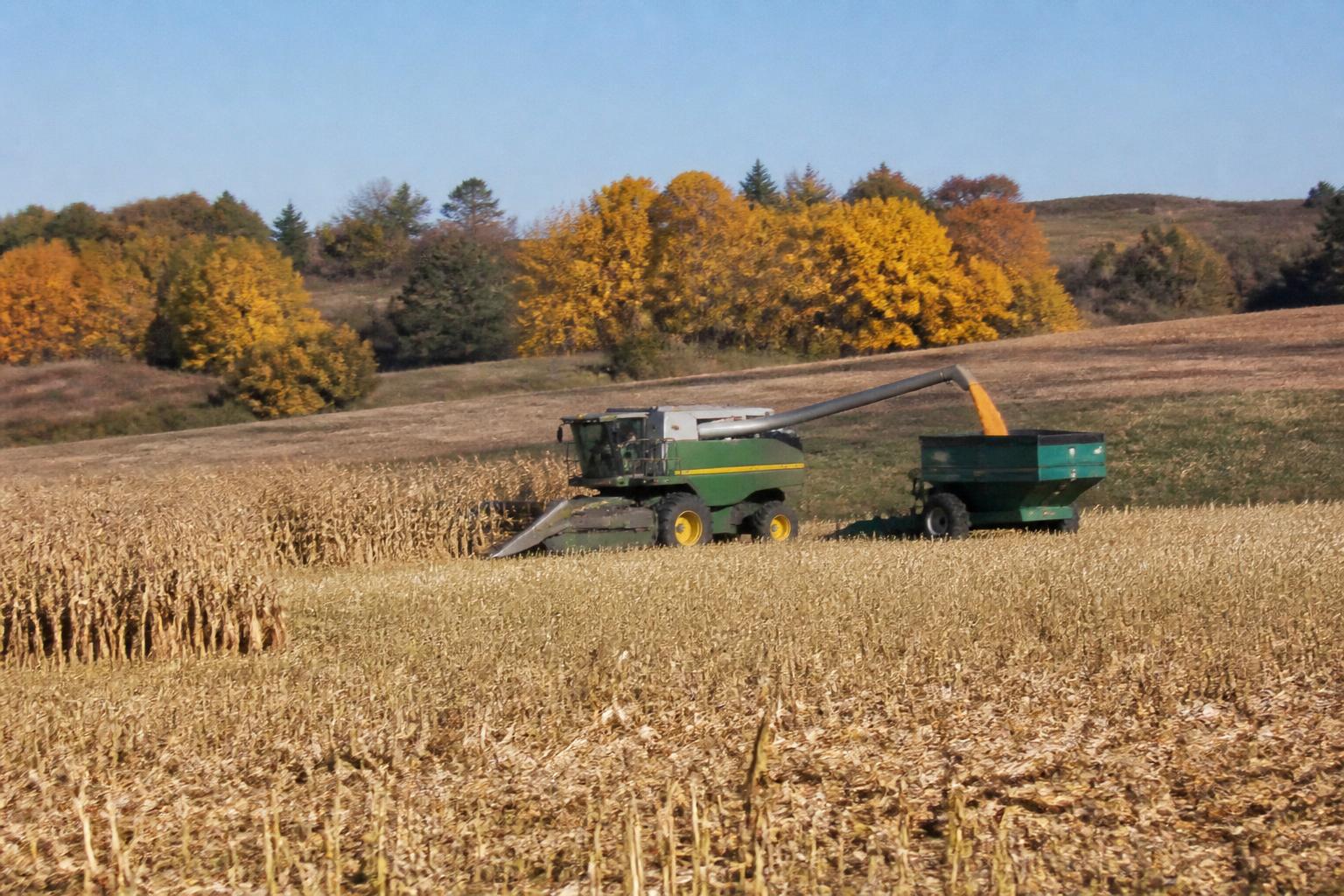
As the fall harvest season accelerates across South Dakota, producers are closely monitoring field performance and facility capacity. Recent reports indicate that a significant portion of the state's corn and soybean crops are currently rated in good to excellent condition, providing a positive baseline as combines move through fields in prime growing regions. While overall sentiment remains cautiously optimistic, the variability in crop development across eastern South Dakota highlights the ongoing need for precise yield management and localized storage and regulatory assessments as the season progresses.
Managing Logistics and Input Pressures
For grain handlers and agribusinesses, the primary focus remains on maintaining operational efficiency amid the influx of grain volume. With the harvest cycle in full swing, managing local transport bottlenecks and ensuring seamless transfer from fields to elevators is critical for preserving market margins. Beyond pure logistics, the broader agricultural sector is also navigating complex storage and transport realities, where every decision regarding input timing and storage duration impacts the bottom line.
Community and Safety at the Forefront
In addition to market operations, the South Dakota agricultural community continues to emphasize the importance of safety and professional development. The success of local initiatives, such as the recent FFA farm safety quiz bowl, underscores a commitment to protecting the next generation of farmers and maintaining the high operational standards that define the state's agricultural heritage. As we reflect on the contributions of industry leaders and the collective resilience of our growers, focus shifts toward maximizing safe and efficient throughput during this critical fall window.
What it means for the market
Producers should prioritize early communication with elevators regarding moisture content and storage availability to avoid localized wait times. With crops reaching maturity, maintaining a disciplined approach to moisture management and transport scheduling will be essential to mitigating unnecessary costs and capturing the full value of this year's harvest.
Comments
No comments yet - be the first to share your take.