
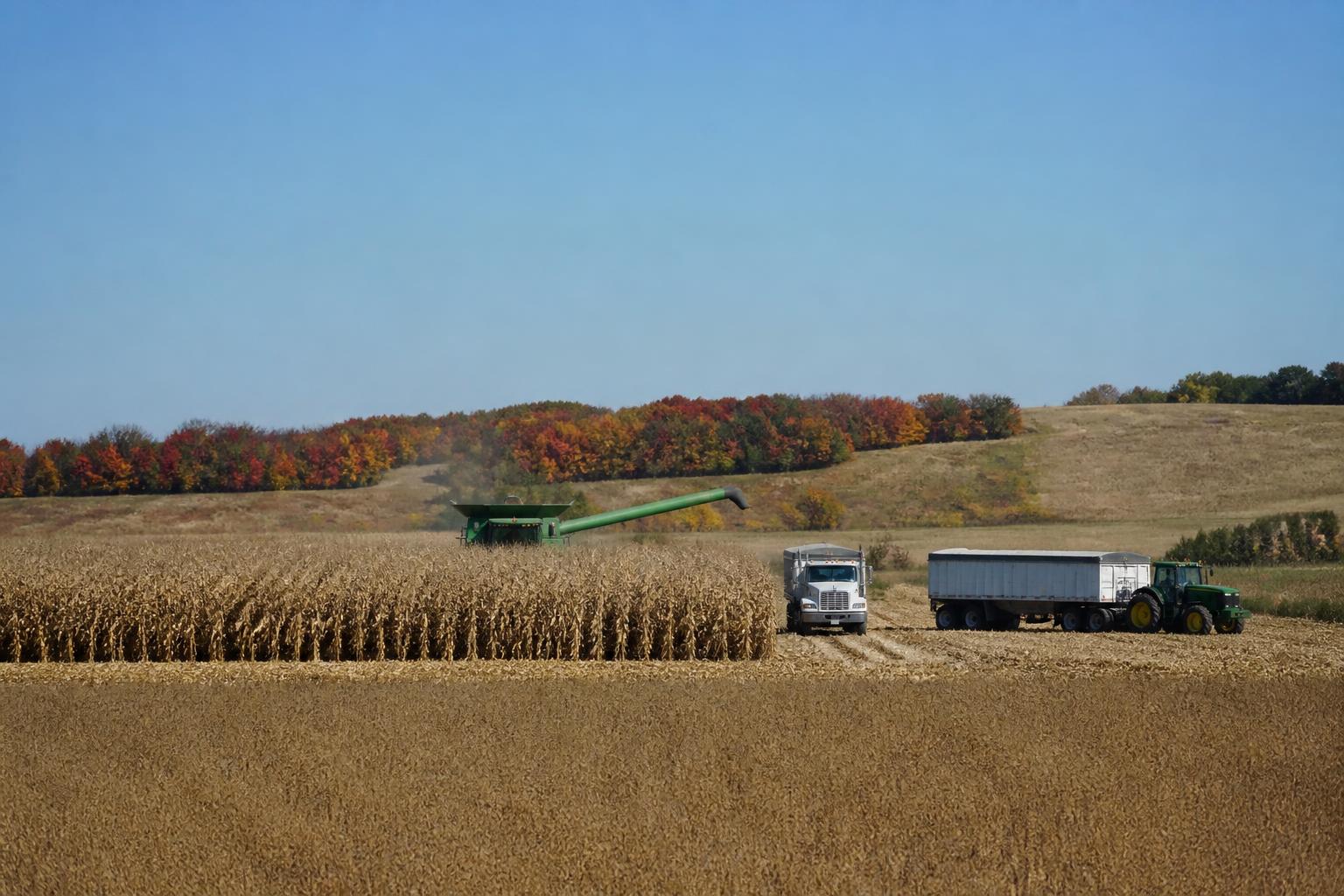
Nebraska's agricultural landscape is currently defined by the cadence of fall harvest. As growers across the state move machinery into the fields, the focus has shifted toward balancing high-output logistics with the realities of managing crop quality in a season that often brings unpredictable moisture patterns. For many operators, this is a time to monitor for field-level issues, such as mycotoxin development, which can occasionally arise when moisture levels remain elevated during late-season growth or initial harvest stages.
Managing Risk in a High-Stakes Season
Beyond the immediate logistics of moving grain from the field to the elevator, producers are placing an increased emphasis on financial risk management. Industry experts are encouraging farmers to prioritize robust revenue protection strategies as they evaluate their bottom line for the upcoming year. By securing these protections now, agribusinesses may be better positioned to navigate the market volatility often observed during the post-harvest window.
Regional Observations and Structural Shifts
The current environment also highlights a broader shift in how Nebraska's grain sector handles both land and infrastructure. With significant acreage heading to the auction block this month, the competitive nature of land management remains a top priority. Furthermore, as the state navigates the intersection of federal agricultural policy and local labor needs, farm leaders continue to push for legislative clarity on tax codes and the Farm Bill, which remain critical to long-term stability for regional grain and livestock operations.
What it means for the market
The convergence of active harvest, proactive risk management, and the ongoing dialogue surrounding agricultural policy suggests a period of transition for Nebraska producers. For grain handlers and input suppliers, the immediate priority remains maintaining quality control and efficient transport, while individual producers should continue to look toward revenue-focused planning to insulate themselves against the market uncertainties inherent in the current economic cycle.
Comments
No comments yet - be the first to share your take.