
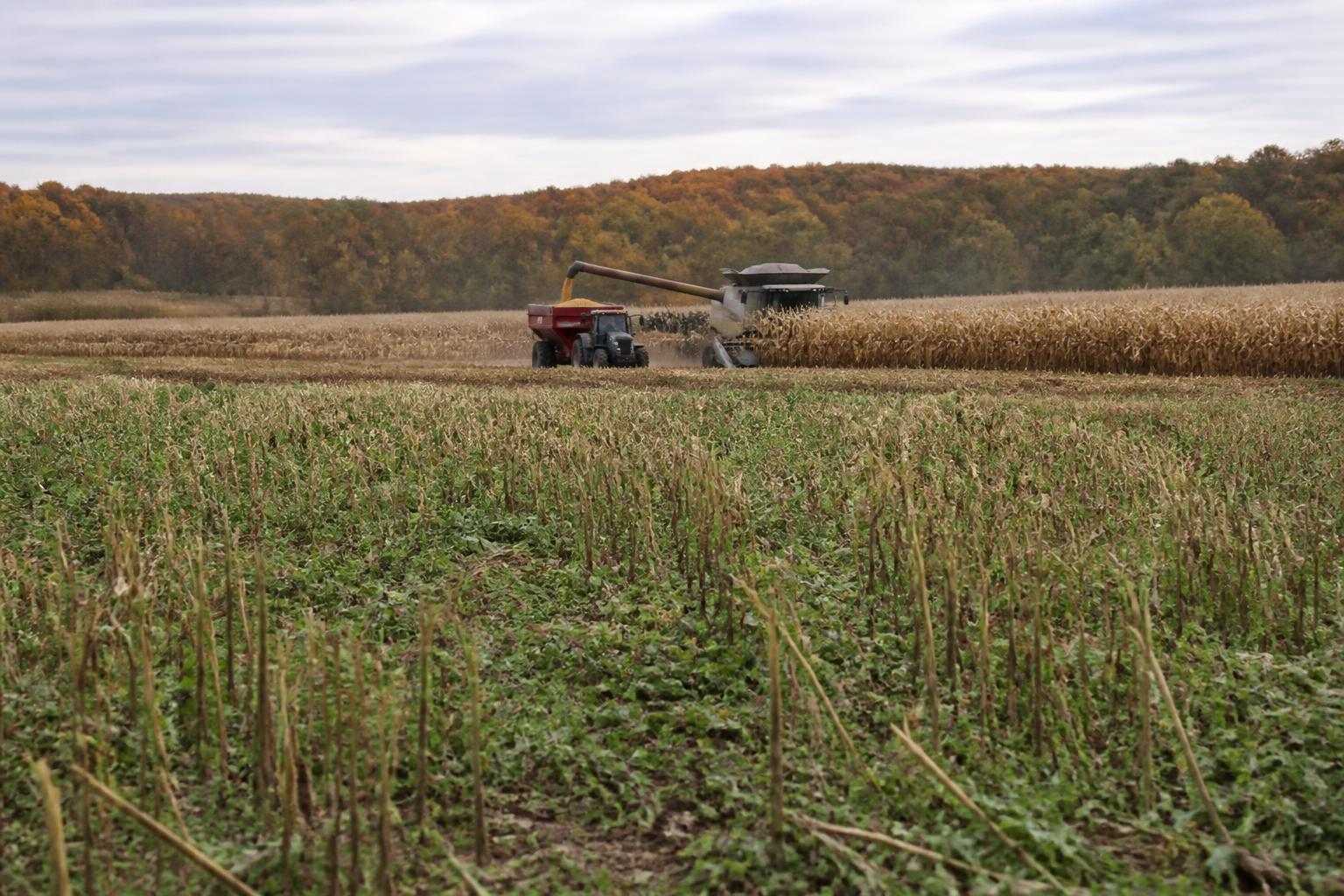
As the fall season takes hold across Alabama, local growers are preparing for the upcoming harvest period. This time of year is critical for the state’s agricultural sector, as farmers balance logistical readiness with the realities of current commodity price trends. With market volatility remaining a persistent factor, local agribusinesses and producers are keeping a close eye on signals from national grain hubs.
For many Alabama operations, managing input costs has become a primary focus. Inflationary pressures continue to weigh on the sector, making efficiency in every stage of production-from nutrient management to transport-more essential than ever. As you evaluate your current storage and marketing strategies, understanding the broader Alabama grain market dynamics will be vital in navigating the weeks ahead.
Refining Input Strategies
As growers assess field conditions, interest in soil health and input efficiency is growing. Technologies and practices like split nitrogen applications and the use of cover crops are increasingly viewed as tools to help stabilize yields and manage input expenditures. By focusing on site-specific management, farmers can potentially mitigate some of the risks associated with volatile market prices, ensuring that resources are utilized where they are most effective.
Logistical Readiness for Peak Season
The transition into harvest necessitates a sharp focus on logistics. In regions like the Tennessee Valley or the Black Belt, ensuring that grain handling equipment and transport routes are optimized is standard procedure. Efficient coordination between producers, elevator managers, and carriers can help minimize delays during the short, high-intensity window of the harvest. Staying proactive with maintenance and communication now can help smooth operations when the pace of movement accelerates.
What it means for the market
While global supply factors and geopolitical developments frequently influence price movements, Alabama producers are primarily focused on maintaining operational flexibility. By prioritizing cost-effective management practices and sharpening logistical plans, regional agribusinesses are positioning themselves to better manage the financial risks of the season. Success will likely hinge on the ability to remain agile in response to shifting market data throughout the harvest cycle.
Comments
No comments yet - be the first to share your take.