
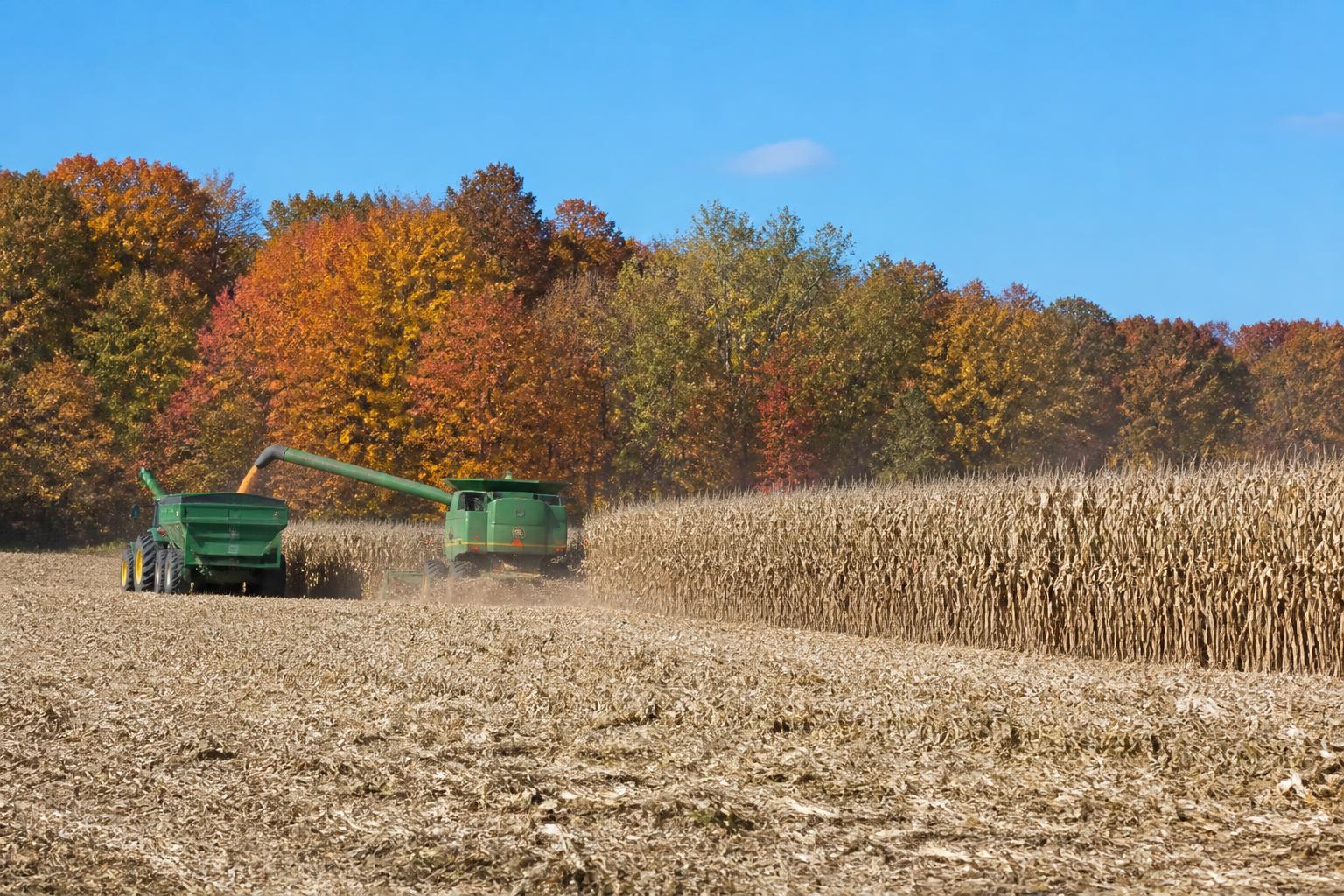
Harvest Season Operational Adjustments
As the Indiana landscape transitions into the peak of the fall harvest, field operations are moving into high gear. For many local producers, this period marks a critical window where logistical precision determines the efficiency of the entire season. Whether moving corn or soybeans, managing transit times to local grain elevators remains a top priority, especially as traffic density increases along major state corridors. Staying informed about changing supply chain conditions is essential for keeping trucks moving and minimizing downtime during these high-volume weeks.
Refining Input and Financial Strategy
With the current season placing a spotlight on margins, producers are increasingly focused on the intersection of field technology and financial discipline. Agronomic management, particularly regarding nitrogen application rates, is seeing a renewed focus on efficiency as growers look to balance input costs with yield potential. This trend toward optimization is complemented by broader shifts in the sector, where logistics and infrastructure updates continue to reshape how grain is handled and marketed throughout the state.
Market Outlook and Land Values
The conversation around Indiana agriculture remains heavily influenced by fluctuating land values and the ongoing demand for local output. While the regional market navigates adjustments in real asset pricing, many operators are utilizing flexible marketing strategies to protect against price volatility. Maintaining this type of financial agility is becoming a standard best practice for agribusinesses looking to secure long-term stability in a shifting economic climate.
What it means for the market: Producers and handlers should anticipate a compressed window for harvest logistics. By focusing on efficient throughput at the grain bin and maintaining a disciplined approach to input applications, Indiana operators can better position themselves to mitigate the impact of broader market volatility throughout the remainder of the year.
Comments
No comments yet - be the first to share your take.