
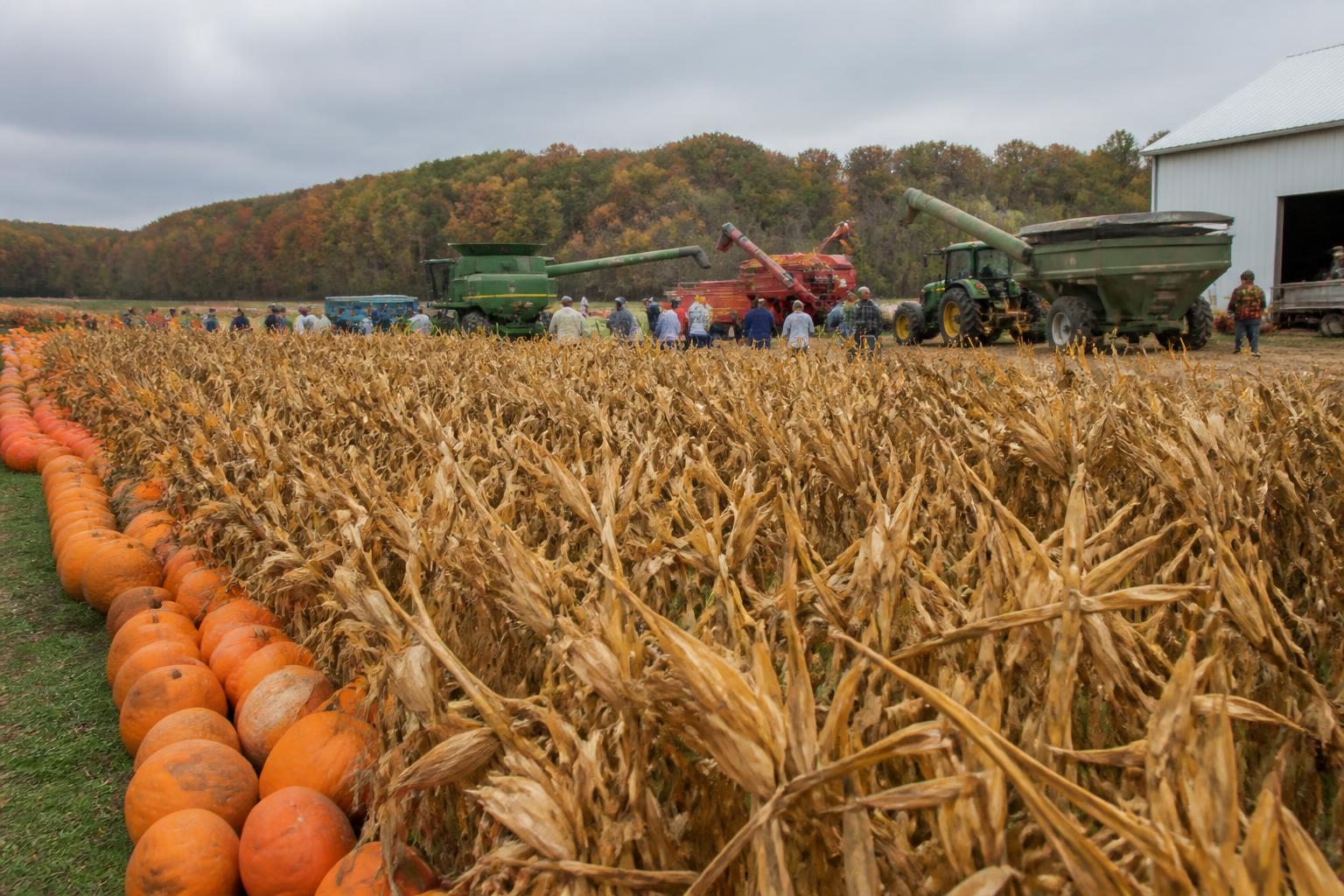
With the calendar turning to late September, Kentucky farmers are shifting their primary focus to the field. As harvest activity begins to pick up pace across the Commonwealth, producers are carefully assessing their crop performance. While regional outcomes can vary significantly depending on soil moisture levels and local planting dates, many growers are keenly watching how the final weeks of the season impact overall quality and test weights.
For those managing grain operations across Kentucky, the current transition period is critical. Staying ahead of potential weather fluctuations is a priority as combine traffic increases on rural routes. Efficiency in the field often hinges on timely logistics and maintaining equipment performance during these peak weeks.
Evaluating Quality and Yield Expectations
Recent reports from across the state suggest a range of outcomes for corn and soybeans. In some areas, producers have seen evidence of advanced maturity, with crops reaching stages like the dough phase earlier than in other cycles. While high-quality yields have been documented in successful local operations, variability remains a hallmark of the current season. Growers are advised to conduct thorough field scouting to prioritize harvest sequences and manage storage capacity effectively.
Logistics and Market Coordination
As the regional harvest ramps up, the pressure on transport infrastructure and elevator capacity typically increases. Farmers are encouraged to maintain close communication with local buyers to navigate potential bottlenecks and ensure that grain handling remains fluid. With regional infrastructure seeing ongoing developments, keeping an eye on local throughput can help mitigate delays in getting product to market. For more background on these logistical trends, see how shifting grain infrastructure continues to support Kentucky producers as seasonal demands heighten.
What it means for the market
The coming weeks will be decisive for final production figures. Producers should remain agile, adjusting harvest plans to account for moisture trends and local storage availability. As supply chains tighten during the height of the intake season, securing reliable transport and monitoring local elevator spot prices will be essential for managing margins and optimizing the final delivery schedule.
Comments
No comments yet - be the first to share your take.