
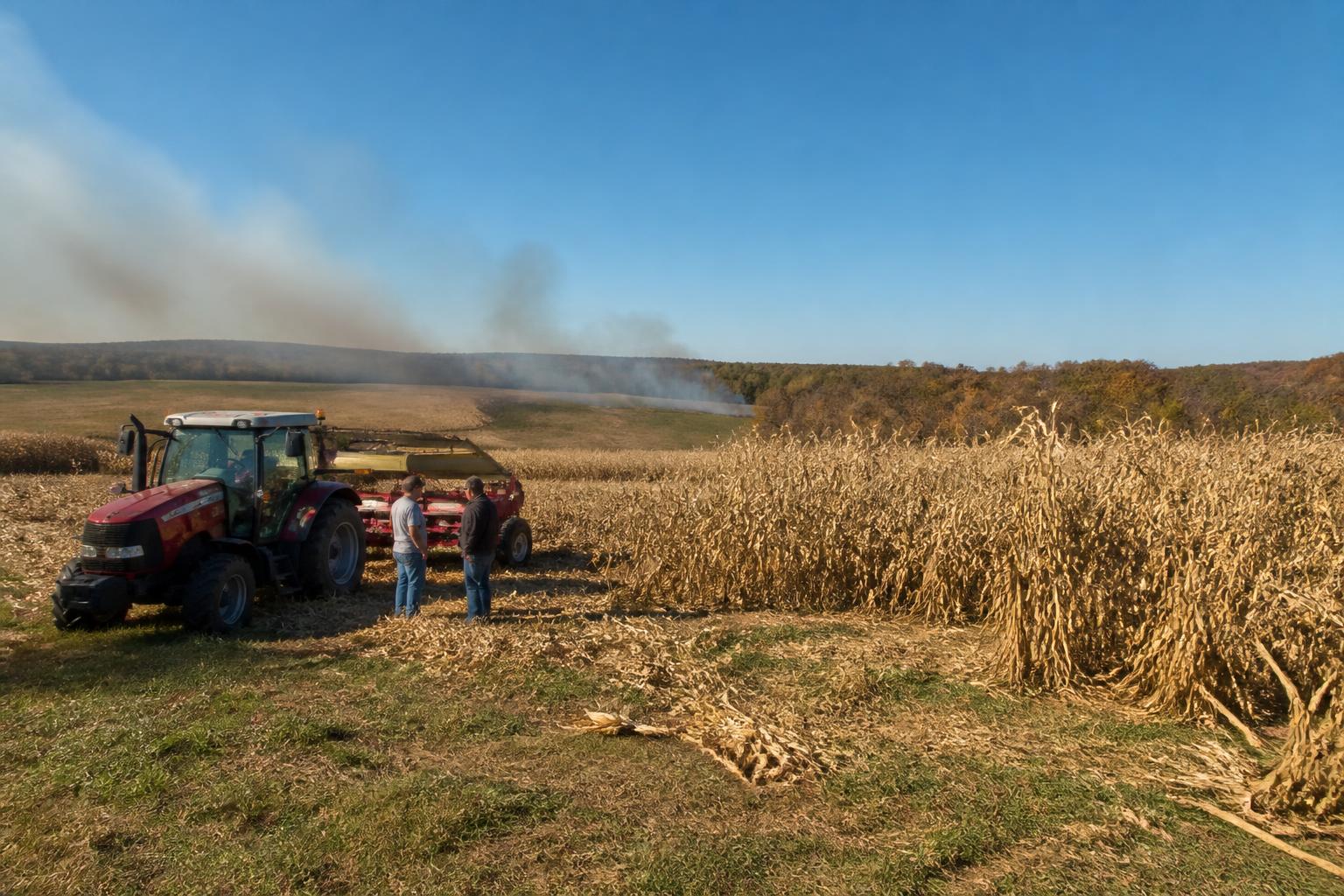
With the Louisiana fall harvest now gathering steam across the state, agricultural producers are balancing high-yield expectations against a complex logistical environment. Local growers in key regions, from the fertile river parishes to the expansive fields in the northern reaches of the state, are increasingly focused on optimizing grain storage and on-farm management to navigate potential transport bottlenecks.
Market participants are keeping a close watch on regional infrastructure as the flow of commodities toward export terminals intensifies. While local yields remain a focal point for the season, producers are also paying close attention to external factors, including potential draft restrictions in major shipping channels that can influence the cost and efficiency of moving grain to international markets. These variables make proactive planning essential for those managing the logistics of the current crop.
Managing Input Costs Amid Shifting Supply Chains
Beyond the immediate demands of the harvest, the broader agricultural economy in Louisiana remains influenced by fluctuating input costs. Efforts by federal agencies to improve regulatory efficiency and ongoing legal scrutiny in the fertilizer sector continue to be relevant topics for agribusinesses managing fertilizer supply chains and regional storage capacity. For many farmers, securing reliable input pricing remains a top priority even as the focus shifts toward the tail end of the growing cycle.
Field Safety During the Harvest Season
As operations accelerate, field safety remains a cornerstone of a successful harvest. In regions where land management involves prescribed burning or heavy machinery movement near drying crop residues, producers are encouraged to adhere to established safety protocols. Coordinating equipment transport and managing field-side storage needs effectively can help mitigate risks during this high-activity window, ensuring that the movement of grain from the field to the elevator remains uninterrupted.
What it means for the market
For Louisiana producers and grain handlers, the current environment emphasizes the value of local storage resilience and informed logistics. As global shipping dynamics shift, maintaining a flexible strategy for both crop sales and input procurement will be key to protecting margins throughout the remainder of the 2026 season.
Comments
No comments yet - be the first to share your take.