
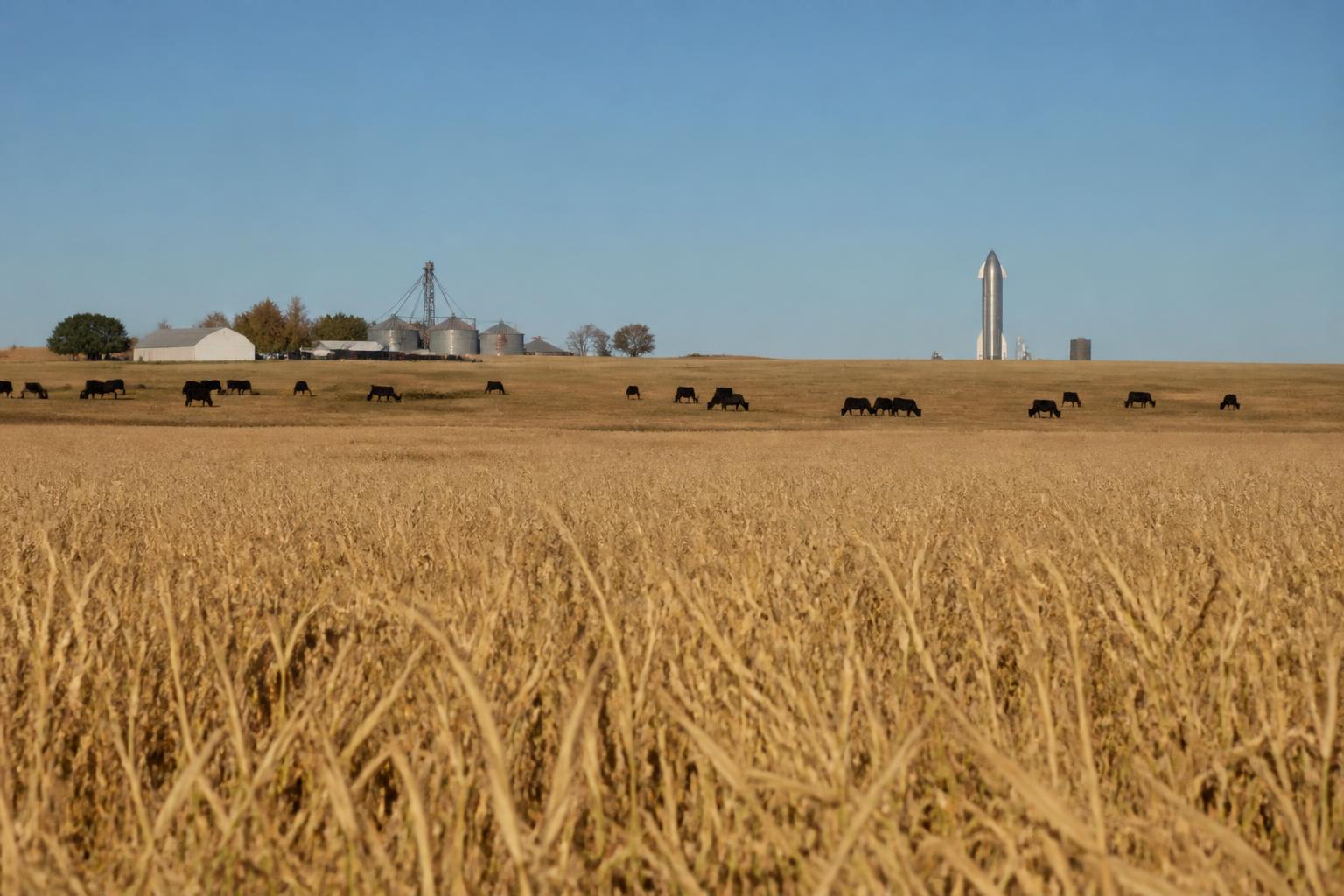
Montana wheat producers are navigating a shifting landscape as the fall harvest wraps up across the state. Following several seasons impacted by challenging drought conditions, local growers are observing a more encouraging yield trajectory this year. This recovery provides a critical window for producers to reassess their storage strategies and prepare for the logistics of moving grain to market as regional elevators and rail corridors see increased activity.
For those managing the flow of commodities from Fergus County and other key production hubs, the focus has shifted toward balancing storage capacity with immediate sales. Effective coordination remains vital, as Montana harvest logistics often require precise timing to navigate road restrictions and ensure timely delivery during peak seasonal movement.
Managing Input Costs and Market Pressures
While yields show promise, the broader agricultural economy remains sensitive to global volatility. Market analysts are keeping a close watch on nitrogen and sulfur prices, which continue to face pressure from ongoing international tensions. For many Montana operations, balancing soil health with rising fertilizer expenses is a primary objective. Extension resources continue to encourage soil testing to optimize nutrient applications, helping producers maintain efficiency even when input markets remain unpredictable.
Supply Chain and Cattle Industry Considerations
The broader agricultural picture in Montana is also shaped by discussions surrounding regional cattle production. Producers are closely monitoring beef import trends, which weigh heavily on the local livestock sector and, by extension, the regional demand for feed grains. As operations look toward the winter months, the synergy between grain storage, marketing, and the needs of the state's robust ranching industry will continue to influence local price discovery.
What it means for the market
For grain handlers and farmers, the current window represents a critical period to firm up logistics before winter weather impacts transport efficiency. Monitoring localized elevator basis levels and maintaining clear communication with freight carriers will be essential to mitigating the impact of global supply chain instabilities and securing favorable margins heading into the final quarter of the year.
Comments
No comments yet - be the first to share your take.