
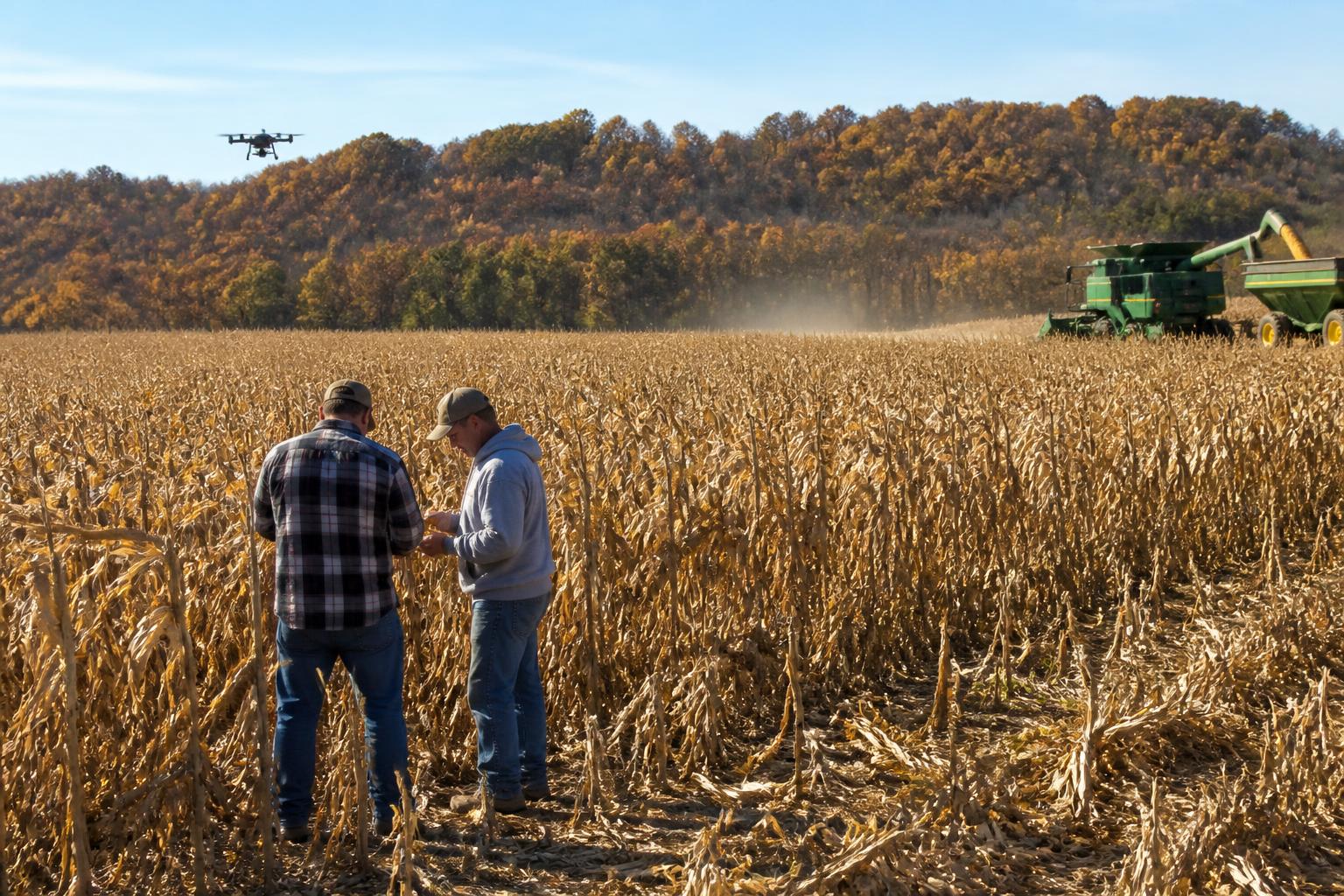
As Delaware enters the fall season, farmers across the Delmarva Peninsula are balancing the excitement of harvest with the critical need to secure inputs for the coming cycles. The global fertilizer market continues to show signs of instability, with significant portions of the international supply trade remaining vulnerable to geopolitical disruptions. For local agribusinesses and producers managing their soil profiles, this creates a complex environment for planning and procurement.
Understanding the current fertilizer supply shifts is essential for operations ranging from New Castle County down to Sussex. While logistical paths for nitrogen and other nutrients remain functional, the underlying reliance on international feedstocks means that any fluctuation in global trade can quickly ripple down to the regional level, often impacting the cost and availability of essential inputs for local elevator managers and growers alike.
Managing Nutrient Efficiency and Resilience
Beyond immediate supply concerns, the long-term health of our local soil remains a priority. Many operations are increasingly looking at strategies to maximize nutrient efficiency to hedge against market price hikes. Improving soil quality often helps in reducing dependency on external chemical inputs, allowing farmers to maintain yields while mitigating some of the financial risk posed by global market swings.
Logistical Considerations for the Fall
As trucks and grain-handling equipment prepare for the peak harvest window, logistical bottlenecks can sometimes arise, affecting the transport of both harvested commodities and incoming fertilizer shipments. For regional carriers, staying ahead of seasonal traffic patterns and maintaining communication with local cooperatives is vital to ensuring that inputs are staged correctly ahead of winter application windows.
What it means for the market
For the Delaware agriculture sector, the path forward requires a disciplined approach to input inventory. Given the persistent uncertainty in global fertilizer trade, growers should maintain close contact with their local suppliers. Prioritizing efficiency and evaluating soil management techniques may provide a buffer against future price volatility, ensuring that local farms remain resilient through the end of the year.
Comments
No comments yet - be the first to share your take.