
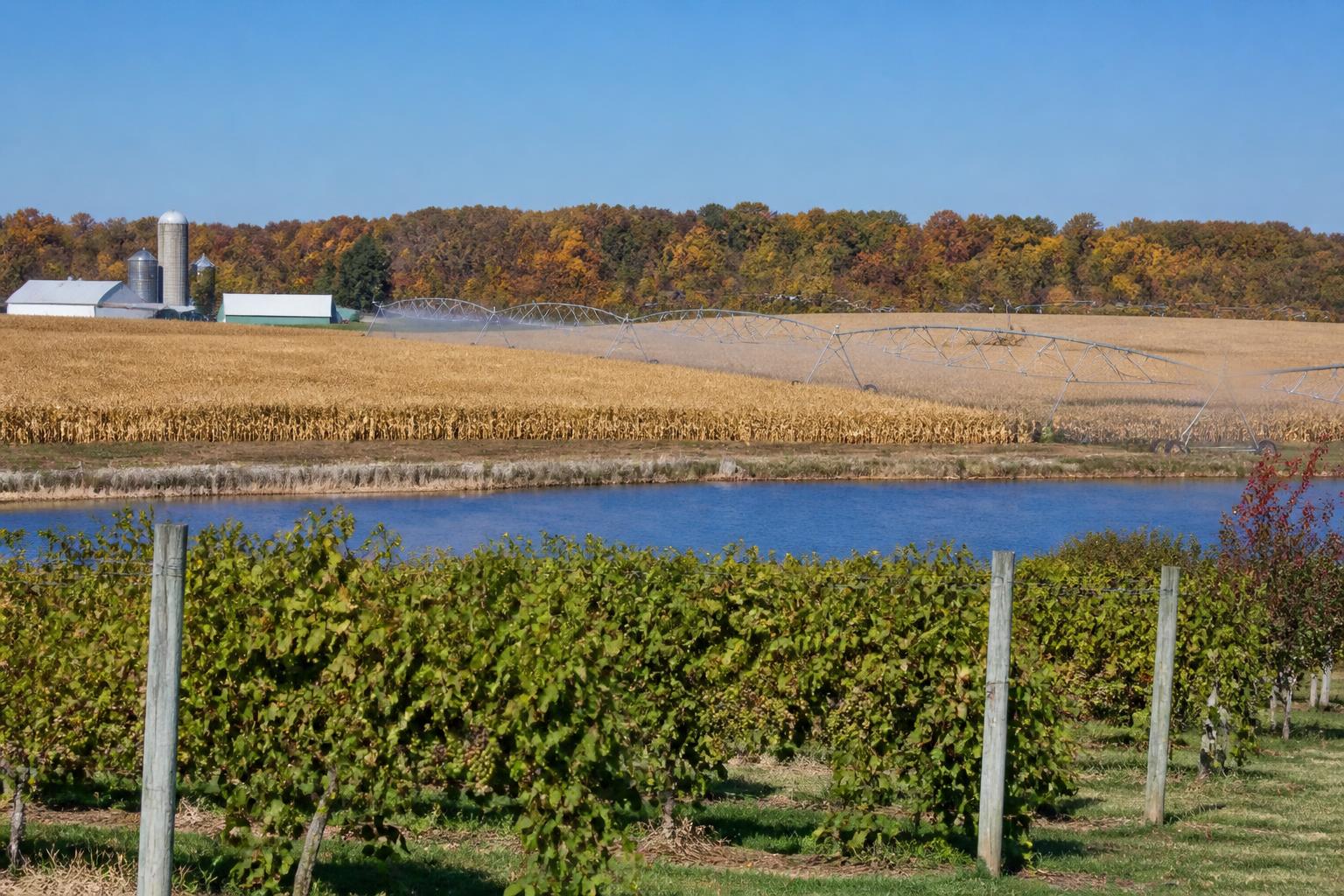
With the calendar turning toward late September, Missouri producers are entering a critical window for fall harvest operations. Across the state, field conditions in key agricultural corridors are increasingly dictating the pace of daily activity, as farmers balance the need for timely crop collection with the realities of managing varied soil moisture and equipment logistics.
Efficiency remains at the forefront of the season. Many operations are leaning into advanced management strategies, including site-specific soil testing and precision irrigation techniques, to maximize return on investment. These practices are becoming essential as producers assess their current grain market sentiment and long-term storage capacity against the backdrop of fluctuating commodity demand.
Adapting to Economic and Environmental Realities
The current landscape presents a multifaceted challenge for Missouri agribusinesses. While technological advancements in agronomy and irrigation continue to support diverse cropping systems, many midsize farms are weighing the impact of external economic headwinds. This sensitivity is particularly pronounced as stakeholders analyze how potential shifts in trade policy or international tariff structures could influence the bottom line for the coming year.
Furthermore, local operations are increasingly integrating conservation-minded approaches into their production cycles. From experimenting with diverse cover crops in river-bottom farms to managing specialized soil health projects, the focus is on building long-term resilience. These efforts are often viewed as a form of insurance against the environmental variables that can threaten regional yields during the transition into winter.
What it means for the market
For grain handlers and local suppliers, the next few weeks will be defined by logistical coordination and the movement of goods from field to elevator. Farmers should monitor regional basis levels closely as harvest volumes ramp up. Given the potential for volatility in the wider agricultural sector, maintaining clear communication with local transport partners and storage facilities will be vital for managing risk and ensuring that inventory remains protected as we move deeper into the fall season.
Comments
No comments yet - be the first to share your take.