
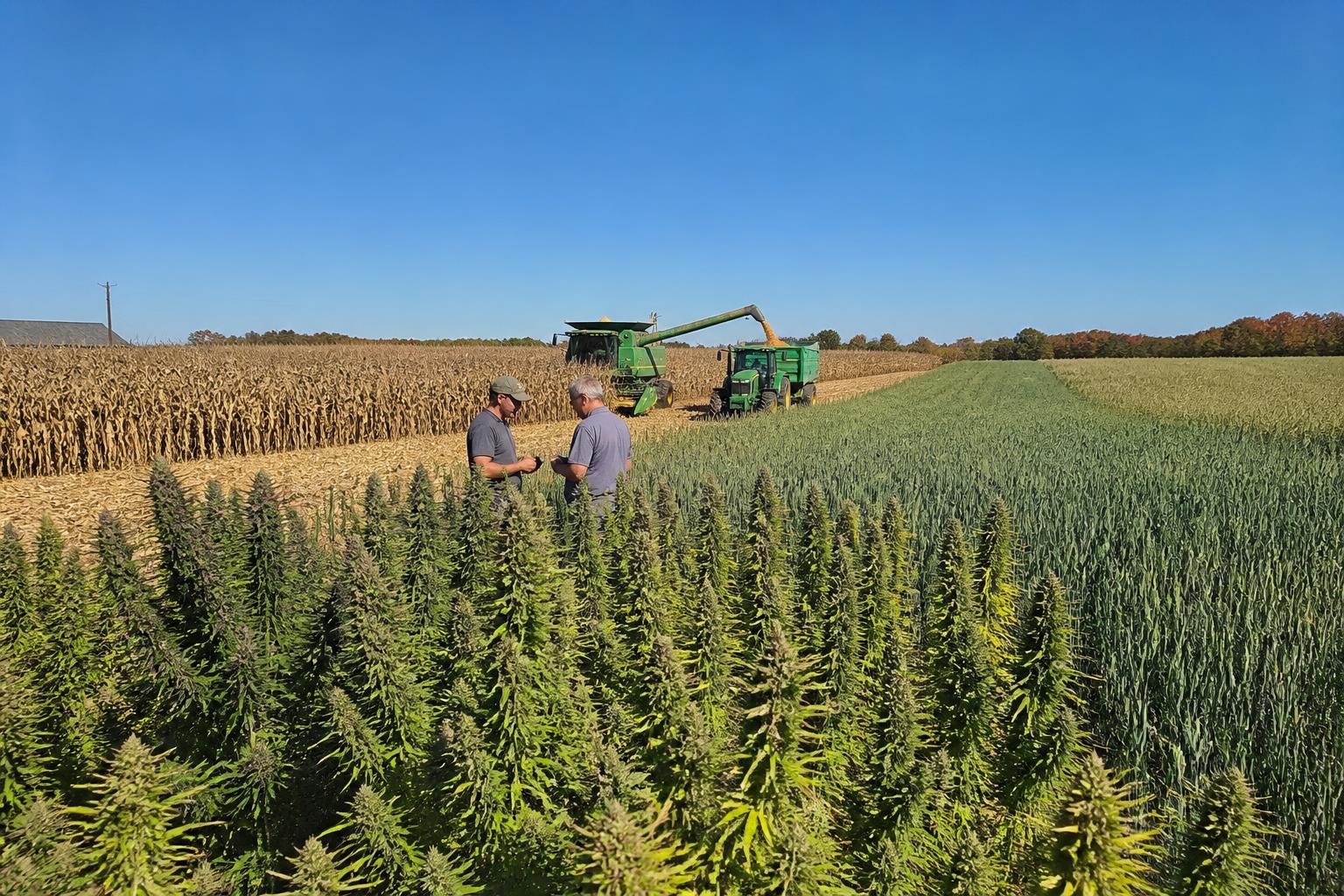
As Colorado enters the prime window for winter wheat planting, many producers are reassessing their acreage plans for the upcoming season. With market prices remaining a primary concern for local operations, the conversation across the state is increasingly focused on finding the right balance between traditional staples and alternative cash crops that may offer better margin potential.
For those managing grain supply chains in Colorado, this season represents a critical juncture. The decision to commit to winter wheat is often tied to long-term soil health and moisture management, yet producers are also closely watching regional price fluctuations that can impact bottom lines. Strategic planning now can help mitigate some of the operational risks that tend to emerge later in the marketing year.
Evaluating Crop Rotations and Regional Trends
In various parts of the state, particularly in the major wheat-producing counties, there is a noted interest in diversifying beyond standard rotations. While corn remains a maturing presence in the regional landscape, the economic pressure to optimize yield versus input costs is prompting some farmers to explore different varieties or secondary winter wheat crops. Maintaining post-harvest pipeline efficiencies continues to be a priority as handlers prepare for the movement of current stockpiles and the anticipation of new crop intake.
Logistics and Field Management
As field work accelerates, the focus remains on timely planting and efficient resource allocation. Farmers and agribusinesses are mindful that operational success in Colorado relies heavily on managing input logistics effectively before the winter freeze sets in. Whether balancing fertilizer application or finalizing seed variety selection, those who stay informed on local market developments are better positioned to adjust their tactics as the fall season unfolds. Proactive management of operational risks remains a core component of sustainable farm growth in the current climate.
What it means for the market
The Colorado agricultural market is currently navigating a period of recalibration. As producers evaluate their planting decisions, the interplay between wheat, corn, and alternative crops will likely dictate local storage and logistics demand. For grain handlers and input buyers, keeping a close eye on planting progress and regional moisture levels will be essential for forecasting the intensity of the upcoming season's supply chain activity.
Comments
No comments yet - be the first to share your take.