
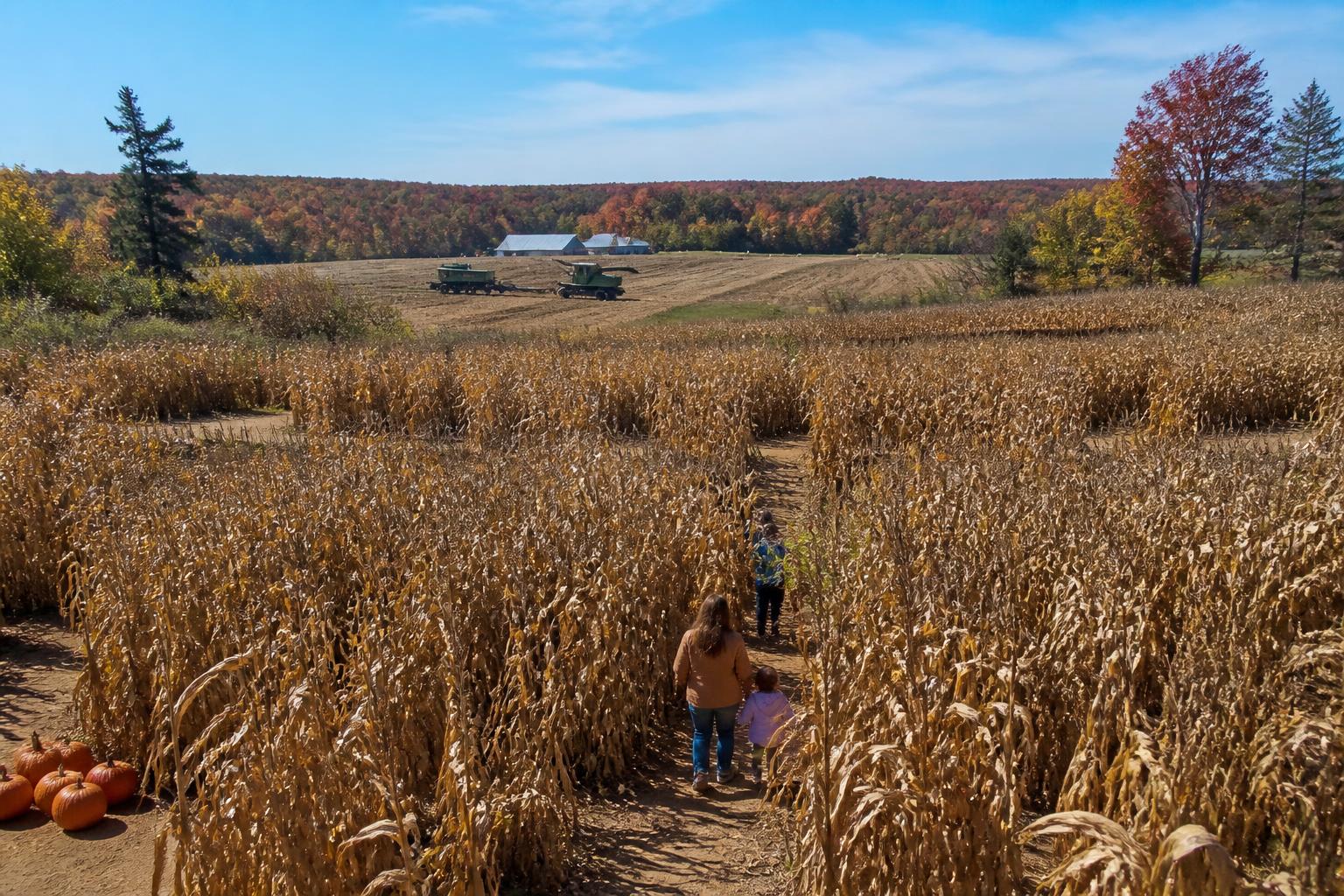
Harvest Logistics and Seasonal Pressure
As the Maine harvest season moves into its peak, producers are grappling with a complex set of environmental and logistical variables. With the current focus on crop management, farmers are reminded of the necessity for diligent storage practices, as detailed in our guide on managing grain storage risks as Maine harvest hits full swing. Ensuring the integrity of the yield remains paramount as regional elevators and storage facilities adjust to the influx of late-season grain.
Regulatory and Economic Headwinds
Beyond the field, the regulatory landscape remains a primary concern for the Maine agricultural community. Recent developments regarding regulatory and compliance pressures have highlighted the ongoing tension between environmental oversight and farm viability. Furthermore, the broader economic context, including shifts in international trade policy—such as recent adjustments to potash tariffs—directly impacts input costs for regional producers looking to balance their operational budgets ahead of the next planting cycle.
Quality Control and Market Preparedness
Quality remains the single most important factor in securing favorable pricing for local yields. Growers are encouraged to keep a close eye on moisture levels and grain condition to avoid common storage pitfalls that can degrade the marketability of their crop. For those currently planning their sales strategy, staying informed about grain buyers, sellers and prices in Maine can provide the necessary market intelligence to make timely decisions in a volatile trading environment.
What it means for the market
While grain elevator margins generally track within historical norms, producers should expect continued variability in local pricing. Success this season will likely depend on a combination of disciplined post-harvest handling and a proactive approach to navigating the mounting regulatory and economic challenges facing the Maine agricultural sector.
Comments
No comments yet - be the first to share your take.