
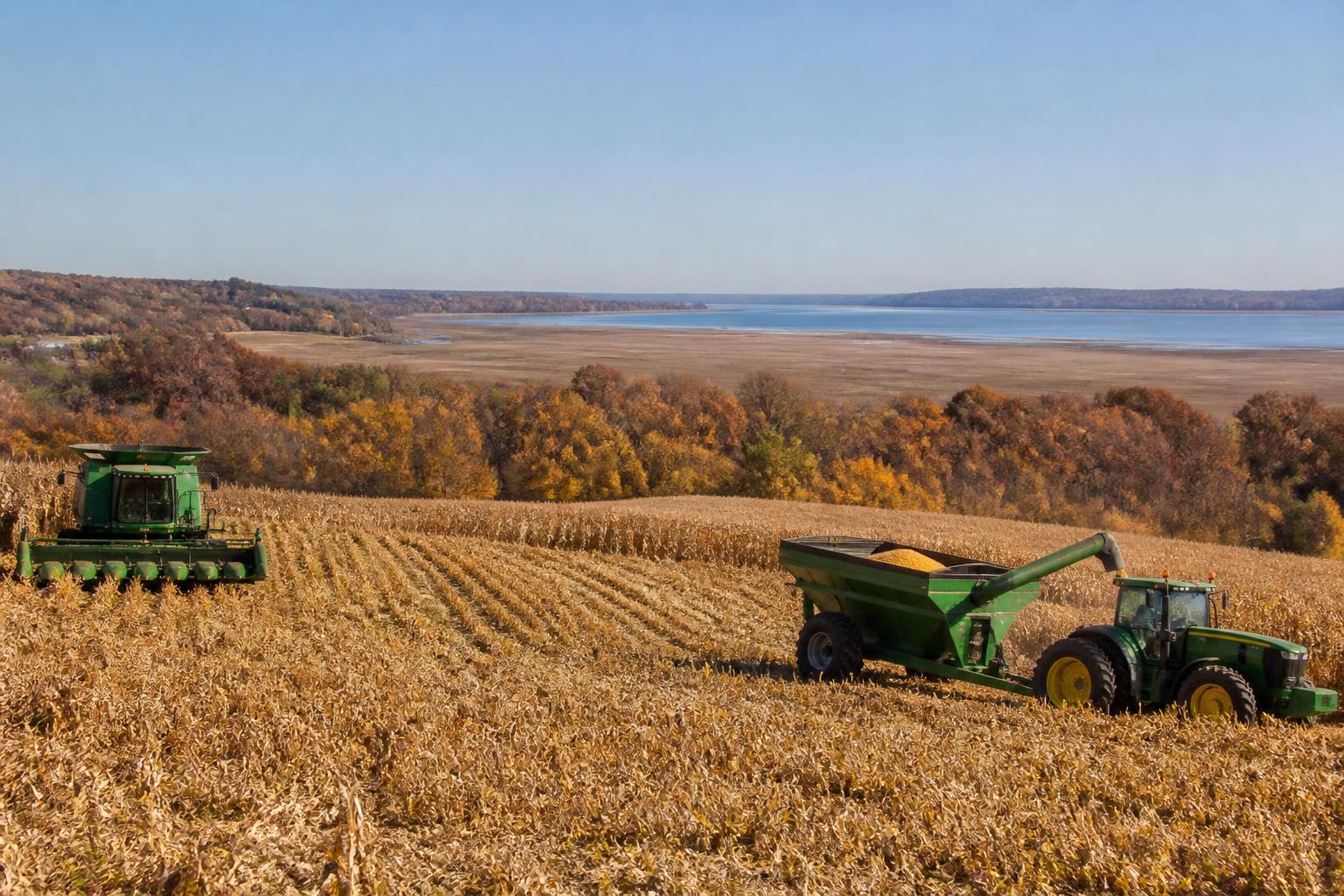
As the fall harvest accelerates across Mississippi, growers and elevators are closely monitoring the operational status of the state's vital inland waterways. Reliable transport remains a cornerstone of seasonal efficiency, yet recent reports indicate that Mississippi River conditions continue to present a mixed picture for the movement of grain downbound.
While historical volatility in river stages is a known factor for logistics, the current environment demands heightened attention to local barge availability and transit timelines. For producers looking to move inventory through regional hubs, understanding these logistics and navigating potential late-season constraints is essential to maintaining steady market access. Whether facing low-water drafts or temporary closures that suspend traffic, the ability to pivot transport strategies between barge, rail, and trucking can often be the difference in securing competitive pricing.
Managing Throughput During Peak Season
Harvest activity typically places immense pressure on local infrastructure, from county roads to the processing capacity at destination terminals. As grain moves from the field to the bin, or directly to market, producers should consider the impact of regional logistics on overall margins. Keeping a close eye on current market bids for corn and soybeans is prudent during this busy window, as basis levels can shift rapidly in response to downstream bottlenecks or favorable export conditions.
Regional Resilience and Market Strategy
Mississippi farmers are accustomed to operating against the odds, whether managing the physical pressures of crop yield or responding to the broader economic trends of the agricultural sector. As large-scale grain traders navigate merger discussions and the industry continues to evolve, the local focus remains on the fundamentals: minimizing downtime and maximizing the speed at which grain can clear the farm gate. Producers who maintain flexible storage options and clear communication with transport partners are generally better positioned to mitigate the risks posed by seasonal climate volatility or infrastructure delays.
What it means for the market
For Mississippi agribusinesses, the current outlook reinforces the need for agility. With the harvest cycle in full swing, monitoring the Mississippi River for transit interruptions or draft restrictions is critical. By balancing inventory storage with available local transport lanes, farmers can protect their bottom line despite the ongoing logistical variables inherent in late-season operations.
Comments
No comments yet - be the first to share your take.