
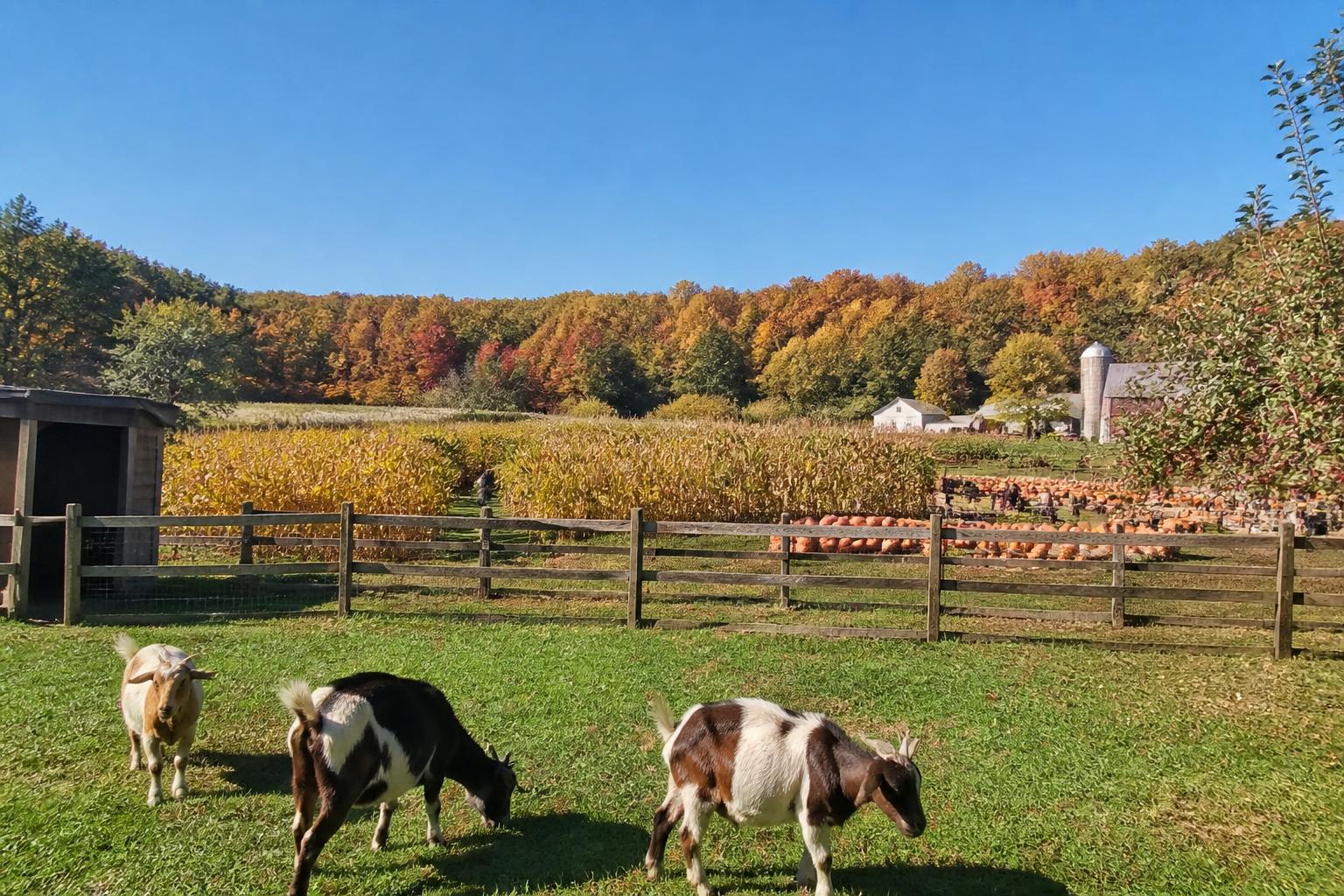
The arrival of the fall season brings a critical shift for New Jersey farmers as harvest operations move into full swing. Amidst the typical activity of the season, growers across the state are assessing the impact of ongoing weather volatility, particularly following the declaration of a primary drought disaster for Mercer County. This seasonal pressure highlights the necessity of robust resource management strategies for local agribusinesses navigating tighter margins and challenging growing conditions.
Protecting the long-term viability of agricultural lands remains a top priority for the state. Stakeholders are closely watching the impact of seasonal market pressures and logistics on regional operations. With the increased focus on sustainability, many are weighing the integration of new technologies, such as agrivoltaics, which have recently seen movement in project approvals across New Jersey. These dual-use systems can offer a path toward protecting farm energy costs while maintaining land availability for production.
Adapting to Environmental Realities
For many operations, the current climate context necessitates a re-evaluation of standard practices. Whether through the adoption of organic farming methods or exploring innovative crop management, farmers are prioritizing chemical-free and resource-efficient techniques to maintain product quality. As growers balance the requirements of the harvest with these shifts in managing input costs and seasonal logistics, regional collaboration continues to play a significant role in stabilizing local supply chains.
What it means for the market
Market participants should prepare for continued volatility as the harvest progresses. The combination of drought-affected yields in specific regions and the ongoing transition toward diversified, protected land use indicates that adaptability will be the primary driver of success this fall. Keeping a close watch on regional disaster declarations and infrastructure investment trends remains essential for any local producer or handler looking to mitigate risk in the current New Jersey agricultural landscape.
Comments
No comments yet - be the first to share your take.