
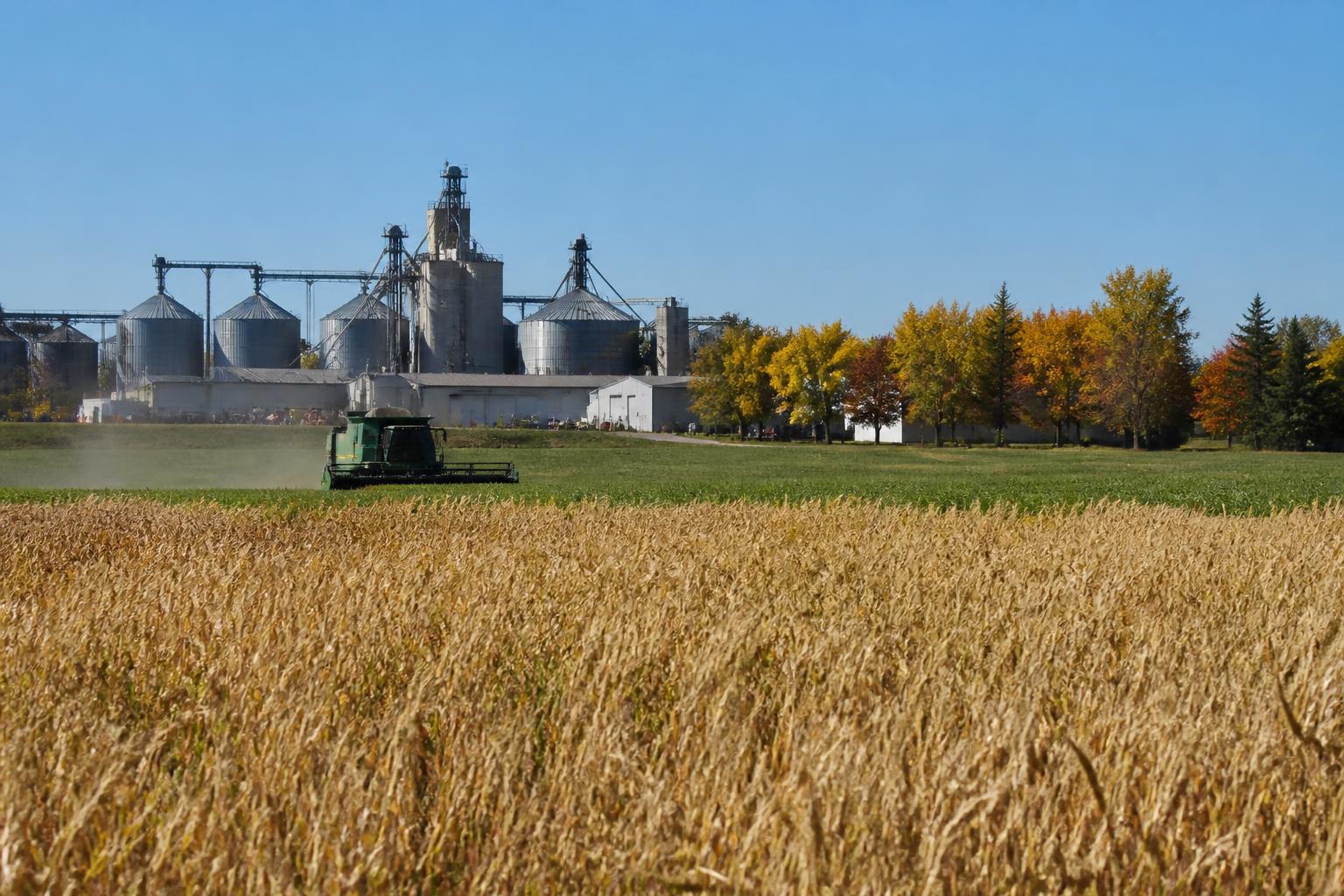
As Idaho producers move through the busy fall harvest season, the state's agricultural landscape is seeing both structural and scientific changes. Recent news surrounding the sale of long-standing family operations to larger regional entities marks a significant transition in the local seed production sector, reflecting broader consolidation trends within the industry. These shifts often prompt growers and input buyers to reassess their local partnerships and long-term supply chain strategies.
Advancing Soil Health and Production Research
Beyond changes in company ownership, Idaho is doubling down on technical innovation. The University of Idaho is currently highlighting its new Deep Soil Ecotron, a facility designed to provide granular data on soil-plant interactions. For producers working across the diverse terrain of the Treasure Valley or the expansive fields of the Magic Valley, such research is becoming increasingly vital. Accessing these University of Idaho resources can provide small to medium-sized agribusinesses with the competitive edge needed to optimize yields in varying seasonal conditions.
Diversification and Crop Resilience
The agricultural sector in Idaho continues to explore crop diversification, with reports highlighting the niche but growing interest in specialty grains like teff. As weather patterns and soil health variables evolve, farmers are increasingly looking toward climate-resilient alternatives that fit into traditional rotation cycles. Integrating new crops requires careful planning, particularly regarding logistics and regional milling or processing capacity.
What it means for the market
The convergence of corporate consolidation and scientific advancement suggests a dual-track future for Idaho agriculture. While producers may experience adjustments in seed availability and procurement channels, the concurrent rise in precision soil research offers a path to mitigate production risks. Growers should prioritize strong communication with their supply partners this fall to ensure that shifting ownership structures do not disrupt upcoming planting requirements or specialty crop contracts.
Comments
No comments yet - be the first to share your take.