
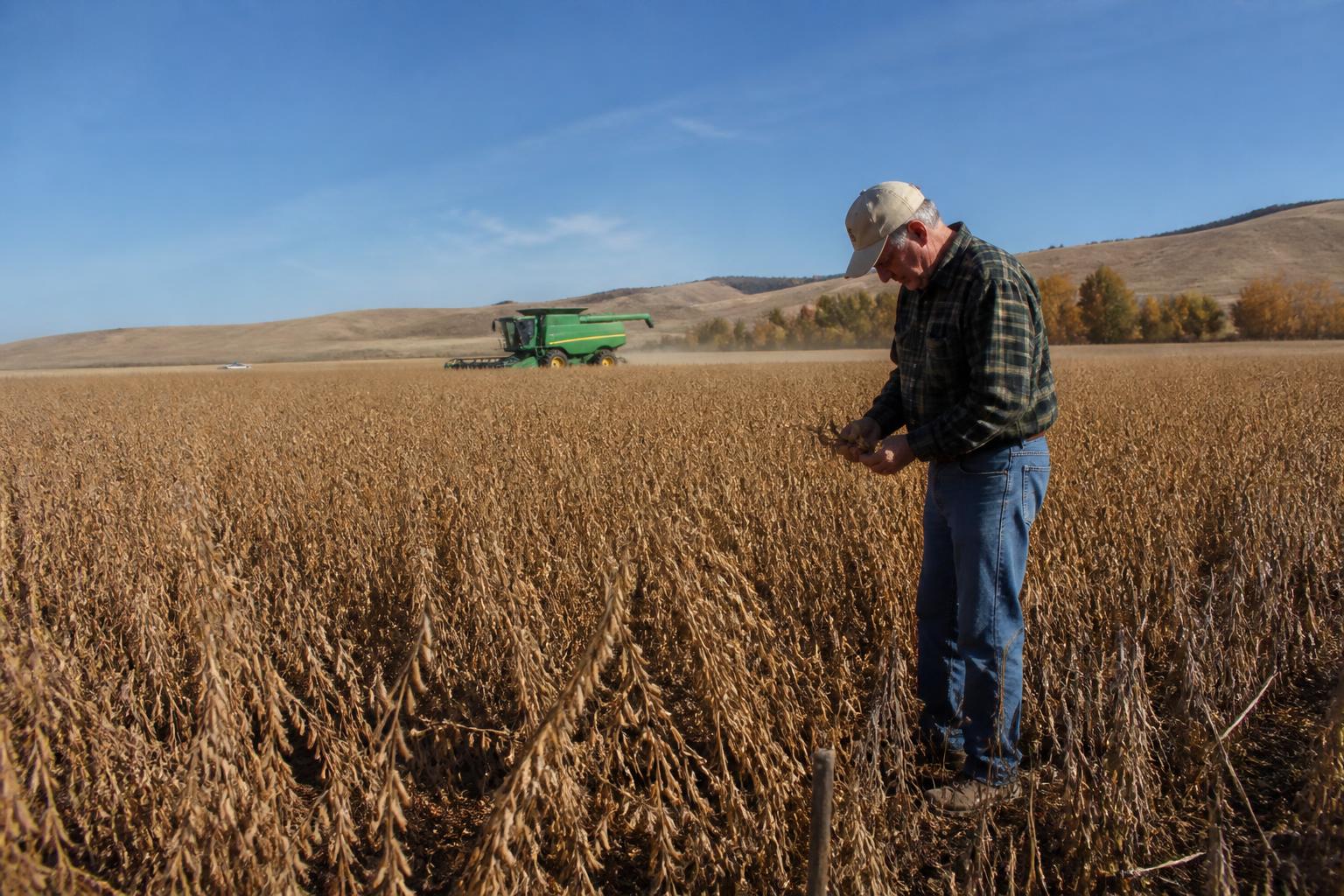
As the fall season reaches its peak across Idaho, regional farmers and agribusinesses are shifting their focus toward maximizing yields while managing the practical constraints of a demanding harvest window. For many producers in the Magic Valley and the Treasure Valley, the priority remains balancing labor stability with the technical requirements of crop maintenance.
With current harvest pressures mounting, the adoption of precision tools is becoming increasingly relevant for those looking to manage input variability. Recently, the University of Idaho has introduced new online resources aimed at helping producers refine their operational efficiency. These digital platforms can assist in monitoring costs and developing more targeted approaches to crop protection, which is particularly vital for managing specific challenges such as potato cyst nematodes in high-value production areas.
Refining Crop Protection Strategies
Integrated pest management remains a cornerstone of Idaho agriculture. While producers have long relied on traditional methods to mitigate environmental and biological risks, modern, data-driven platforms now offer a more granular view of input application. By utilizing University of Idaho resources, small and mid-sized agribusinesses can better allocate their limited capital, ensuring that protection measures are deployed only where and when they are most needed.
This shift toward data-informed decision-making comes as the industry faces broader economic headwinds. For those navigating the complexities of the current season, managing fixed costs is essential. Similar efforts to refine procurement strategies, such as those used for managing fertilizer price volatility, underscore the broader move toward defensive, tech-enabled farming in the Gem State.
Logistics and Market Resilience
Beyond the field, the movement of harvested commodities continues to be a primary logistical focus. As traffic patterns shift to accommodate the flow of grain and produce to regional processors and railheads, operators must remain vigilant about road restrictions and transportation costs. Maintaining compliance with quality standards, including Good Agricultural Practices (GAP), continues to be a gatekeeper for market access, opening doors to both domestic and international buyers who demand rigorous safety and traceability protocols.
What it means for the market: Producers who integrate these new digital tools into their post-harvest and planning workflows may find themselves better positioned to weather price fluctuations and operational inefficiencies in the coming months. By focusing on precision and compliance, Idaho farmers are strengthening their competitive edge despite broader regional challenges.
Comments
No comments yet - be the first to share your take.