
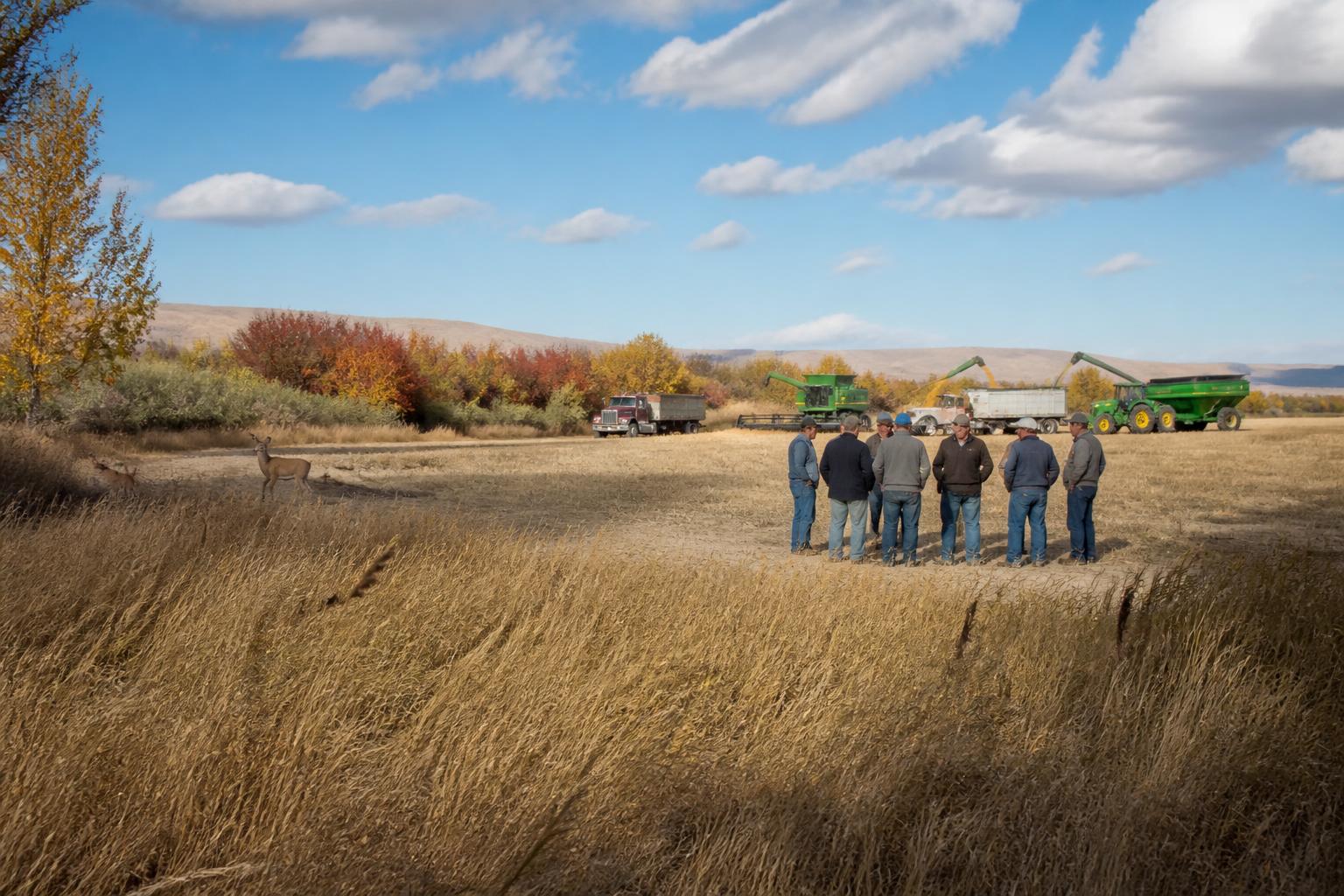
As Idaho farmers move deeper into the fall harvest season, regional agricultural priorities are shifting toward long-term resource management and disease containment. Recent data indicates a surge in acreage enrolled in the Conservation Reserve Enhancement Program (CREP) across the state, largely driven by ongoing regional water security concerns. This transition highlights a broader effort by local producers to balance immediate output with sustainable land stewardship in water-sensitive regions.
For those managing livestock, there is a sense of cautious optimism as reports indicate that bird flu activity has begun to ease within Idaho dairy herds. Maintaining strict biosecurity protocols remains vital as operators look toward the winter months, when confined animal housing may increase the risk of disease transmission. Producers are encouraged to stay connected with current land use outlooks and regional health updates to ensure operational continuity.
Aligning Protection Strategies with Market Fluctuations
Beyond land and herd management, the Idaho agricultural community is focusing on professional development and risk mitigation. The upcoming Idaho Association of Plant Protection meeting serves as a key venue for growers to discuss evolving pest pressures and protective measures that impact crop quality. Integrating these insights is essential for those who are also weighing the risks associated with fluctuating commodity markets and the nuances of grain futures trading.
Efficient resource allocation remains a cornerstone of success as temperatures begin to drop. Whether implementing new digital tools for input management or adjusting logistics for late-season transport, local agribusinesses must remain agile to navigate current supply chain conditions effectively.
What it means for the market
The combination of increased conservation land participation and stabilizing livestock health suggests a focus on resilience. For Idaho growers and handlers, this period is defined by a transition toward winter preparation, emphasizing the need for rigorous herd monitoring and informed participation in both environmental programs and commodity markets.
Comments
No comments yet - be the first to share your take.